
Saudi Arabia Builds Port Power as Red Sea Crisis Reshapes Cruise Routes
Saudi Arabia accelerates port expansion in 2026 as Red Sea instability forces cruise lines to reroute. Jeddah and Dammam emerge as strategic maritime hubs, reshaping global shipping and travel patterns.

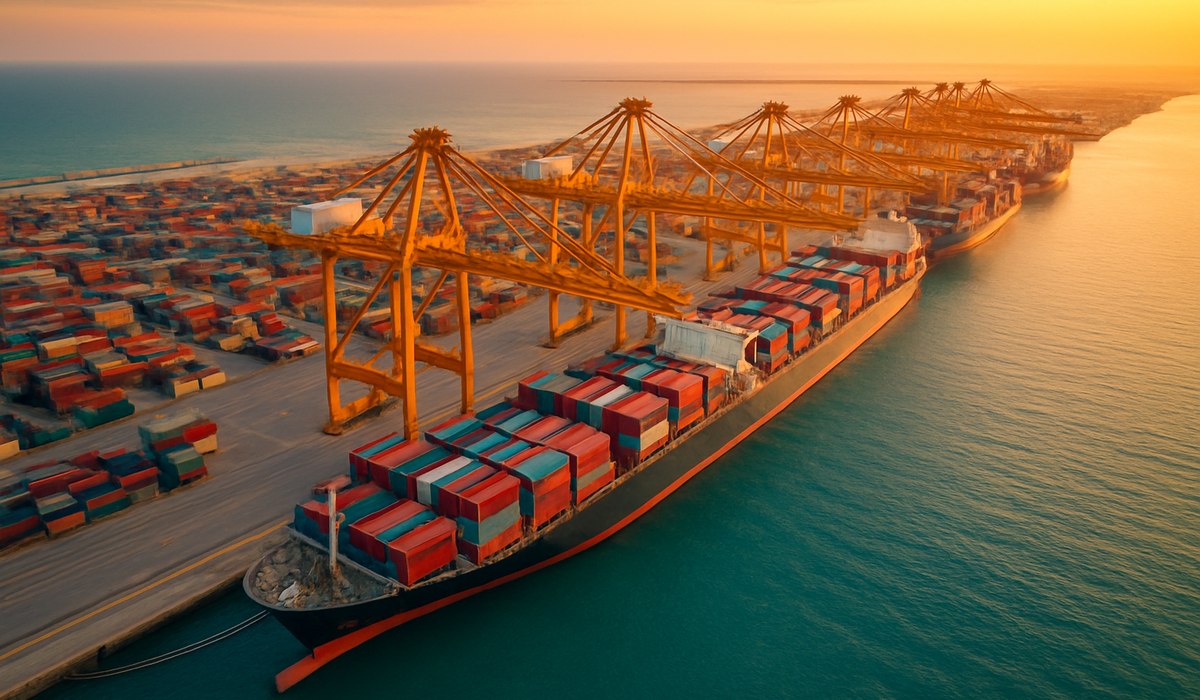
Image generated by AI
Red Sea Disruptions Reshape Global Maritime Routes
Saudi Arabia is accelerating major port investments as Red Sea instability forces cruise lines and cargo operators to fundamentally reroute Asia-Europe shipping corridors. Since late 2023, attacks on commercial vessels in the southern Red Sea and Bab al-Mandab Strait have transformed one of the world's most critical maritime chokepoints into a high-risk zone. Shipping analysts report that vessel traffic through the Suez Canal dropped sharply during 2024 and 2025, with operators diverting around Africa's Cape of Good Hope to avoid missiles and drone strikes.
Recent security escalations in 2026 have intensified threats around both Red Sea gateways and the Strait of Hormuz, prompting major cruise operators and container lines to consolidate fleets, shift refueling operations, and suspend certain transits. Industry data confirms these diversions add 10 to 14 days to traditional Asia-Europe sailings, pushing freight costs well above pre-crisis levels. For cruise passengers, longer voyages translate to reduced port variety, schedule compression, and higher ticket prices as lines absorb increased fuel and operational expenses.
Saudi Arabia's Strategic Port Expansion
Saudi Arabia builds its maritime dominance through aggressive expansion at Jeddah Islamic Port on the Red Sea and King Abdulaziz Port in Dammam on the Arabian Gulf. The kingdom recently opened King Abdullah Port north of Jeddah and upgraded petrochemical-linked industrial facilities to handle exponential cargo growth. Latest maritime reports show Jeddah climbing global port rankings after processing over five million containers annually, with double-digit throughput growth supported by new shipping services and terminal modernization.
Saudi policymakers have introduced multiple new liner services connecting Jeddah with Eastern Mediterranean hubs, Indian subcontinent gateways, and East African ports. These services allow carriers to tranship cargo away from exposed Red Sea stretches, using Saudi ports as safer redistribution nodes before onward European or Asian journeys. On the Gulf coast, King Abdulaziz Port is gaining renewed strategic importance as operators seek alternatives avoiding Red Sea risks altogether. Overland rail and road corridors now connect Gulf ports to Red Sea facilities, enabling container movement across the Arabian Peninsula without traversing contested straits. Learn more about regional port development strategies.
Cruise Lines Navigate Longer Voyages and Higher Costs
The cruise industry faces unprecedented operational challenges from Red Sea volatility in 2026. During 2024-2025, global cruise brands cancelled seasonal Red Sea and Suez transit voyages entirely or re-routed around Africa, extending itineraries by weeks and eliminating port calls. Current security assessments show several vessels in the Gulf region reducing activities or pausing sailings while operators reassess navigation risks.
Saudi Arabia only recently entered the cruise market, launching domestic and regional itineraries from Jeddah and additional Red Sea ports following the 2024 debut of the kingdom's flagship cruise vessel. Heritage tourism, marine excursions, and new coastal developments feature prominently in Saudi cruise marketing. However, security uncertainties have created unpredictable scheduling challenges. Cruise operators must now allocate additional time buffers, fuel reserves, and crew expenses to accommodate longer routes. Passengers booking Red Sea and Eastern Mediterranean cruises should expect higher base fares, modified itineraries, and potential schedule adjustments. Check Cruise Critic for real-time itinerary updates and passenger reviews.
The Competitive Edge: Saudi Ports Versus Traditional Corridors
Saudi Arabia builds competitive advantage by positioning its ports as more resilient alternatives to traditional Suez-dependent routes. The Suez Canal, which typically handles 12% of global maritime trade, has experienced devastating revenue losses as traffic diverted. Egypt's 2024-2025 canal revenues declined by billions, underscoring the economic pressure traditional chokepoints face. Meanwhile, Saudi ports offer redundancy and predictable operations absent from contested waters.
Specialist maritime publications highlight how new logistics parks in Jeddah, warehouse complexes, and container handling facilities transform Saudi Arabia into a multi-modal transportation pivot. Operators can tranship goods at Saudi hubs, avoiding peak risk periods while maintaining competitive delivery timelines to European and African markets. For cruise passengers, this means increased port development activity, expanded shore excursion infrastructure, and growing hospitality services around previously cargo-focused terminals. Saudi Arabia builds its positioning as the crisis-resilient maritime gateway, attracting cruise lines seeking stable, secure itineraries in unstable times.
Cruise Itinerary at a Glance
| Metric | Details |
|---|---|
| Primary Red Sea Port | Jeddah Islamic Port |
| Gulf Alternative Hub | King Abdulaziz Port, Dammam |
| New Capacity Port | King Abdullah Port (north of Jeddah) |
| Container Volume Growth | Double-digit annual increase |
| Typical Suez Diversion | 10-14 additional days per voyage |
| Current Risk Zone | Bab al-Mandab Strait, Strait of Hormuz |
| Freight Cost Impact | Significantly above pre-2023 levels |
| Connected Services | Eastern Mediterranean, Indian subcontinent, East Africa |
What This Means for Travelers
Cruise passengers planning Middle Eastern and Mediterranean voyages must understand how Saudi Arabia builds adaptive infrastructure amid shipping disruptions. Here are actionable considerations for 2026 travel:
-
Expect longer itineraries: Eastern Mediterranean cruises now add 10-14 days versus pre-2023 schedules. Budget additional vacation time and review detailed voyage maps before booking.
-
Plan for higher fares: Increased fuel consumption, longer transits, and crew expenses directly raise cruise pricing. Compare early-2026 fares against historical benchmarks when evaluating value.
-
Research port modifications: Cruise lines frequently update port calls based on security assessments. Subscribe to cruise operator notifications and check updated itineraries weekly before departure.
-
Explore Jeddah opportunities: As Saudi Arabia builds new cruise infrastructure, Jeddah offers emerging heritage tourism, diving excursions, and cultural experiences absent from traditional routes.
-
Verify security briefings: Request detailed safety briefings from cruise staff regarding Red Sea transit protocols, emergency procedures, and real-time threat assessments.
FAQ
Q: Why did cruise lines cancel Red Sea voyages in 2024-2025? Attacks on commercial shipping in the southern Red Sea and Bab al-Mandab Strait created unacceptable security risks for passenger vessels. Operators suspended routes until security improved or found alternate pathways through the Cape of Good Hope, extending voyage duration significantly.
Q: What is Saudi Arabia building to benefit cruise passengers? Saudi Arabia expands Jeddah Islamic Port, King Abdulaziz Port, and King Abdullah Port with modern cruise terminals, logistics facilities, and shore excursion infrastructure. These developments support increased cruise traffic and improve operational efficiency through safer regional routing.
Q: How much longer are Eastern Mediterranean cruises now? Diversions around Africa's Cape of Good Hope add 10-14 days to traditional Asia-Europe sailing routes. For cruise passengers, this extends total voyage duration and may eliminate certain port calls depending on schedule constraints.
Q: Are Saudi Red Sea cruise ports safe in 2026? While security remains volatile regionally, Saudi ports themselves operate under enhanced security protocols. Always verify current travel warnings through official sources and cruise operator safety briefings before booking.
Related Travel Guides
Disclaimer
This article is for informational and educational purposes only. It does not constitute legal, financial, or professional advice. While we strive to provide accurate and up-to-date information, travel policies, regulations, and conditions change rapidly. Always verify information with official sources before making travel decisions. Nomad Lawyer makes no representations about the accuracy, reliability, completeness, or suitability of the information provided. Readers should consult qualified professionals for advice specific to their circumstances. The views expressed in this article are those of the author and do not necessarily reflect the views of Nomad Lawyer.
Raushan Kumar
Founder & Lead Developer
Full-stack developer with 11+ years of experience and a passionate traveller. Raushan built Nomad Lawyer from the ground up with a vision to create the best travel and law experience on the web.
Learn more about our team →