
Qinghai Inspires An Unforgettable Heritage Boom Through Historic Corridors To Transform Sustainable Travel In China
Qinghai Inspires An Unforgettable Heritage Boom Through Historic Corridors To Transform Sustainable Travel In China

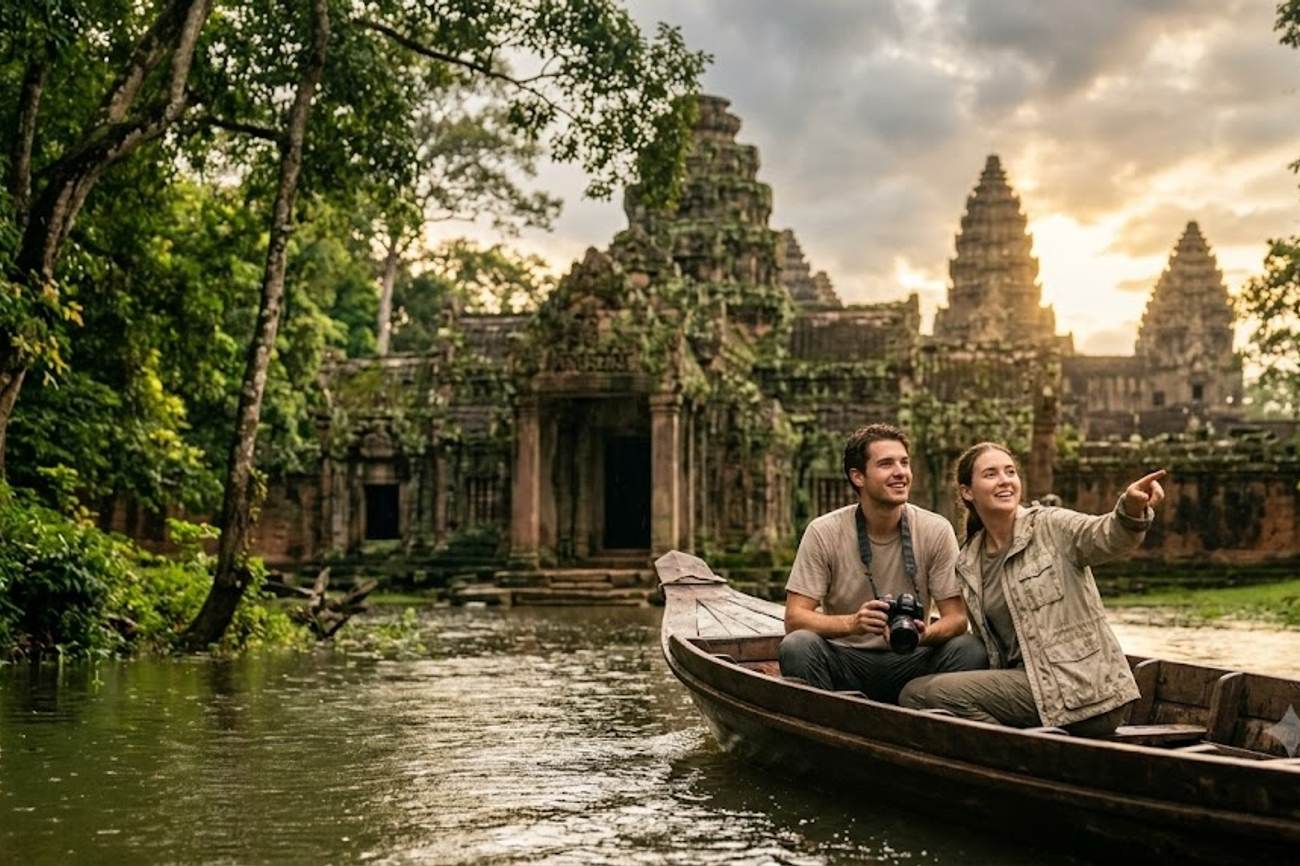
Image generated by AI
The shift toward high-altitude, low-impact tourism in the Tibetan Plateau has seen regional travel revenue climb to over ¥80 billion RMB ($11–12 billion USD) annually, now accounting for approximately 20–25% of Qinghai's total economic yield. This represents a systemic pivot in the Asian travel market, where the value proposition has moved from urban sightseeing to "soul-enriching" remote exploration. While traditional mass tourism focuses on volume, the current trajectory in Qinghai emphasizes the monetization of solitude and ecological scarcity.
The High-Altitude Economy in Numbers
The financial data emerging from the Qinghai region signals a transition from a peripheral destination to a primary economic driver. With annual visitor counts exceeding 50 million domestic and international tourists, the region is testing the limits of sustainable growth in fragile ecosystems. The economic impact is not merely concentrated in urban centers but is distributed through rural tourism initiatives that have generated over 100,000 direct and indirect jobs. These roles specifically empower agricultural communities within the Tibetan, Hui, and Tu populations, shifting the labor market from primary agriculture to service-based hospitality.
From a temporal perspective, the market exhibits extreme seasonality. Peak travel density is concentrated between June and August, creating a high-pressure window for infrastructure and environmental management. This concentration of 50 million annual visitors into a narrow summer window puts immense pressure on the "Water Tower of Asia," the region responsible for the headwaters of major Asian river networks. The reliance on this 20–25% economic contribution makes the regional GDP highly sensitive to environmental policy changes and climate-driven accessibility shifts.
Comparative Market Context: Mass Tourism vs. Mindful Exploration
The growth in Qinghai reflects a broader global trend identified by the World Tourism Organization (UNWTO), where travelers are abandoning commercialized hubs for "low-impact" journeys. Historically, the Tibetan Plateau was accessed via rigid, state-managed circuits. Current data shows a move toward "legacy routes"—ancient trade corridors that linked China, Central Asia, and the Plateau.
When compared to traditional luxury tourism in East Asia, the Qinghai model prioritizes "depth over speed." This is a strategic shift in hospitality design. While traditional hubs maximize "turnover per square foot," the high-altitude model maximizes "value per visitor" by offering exclusive, remote experiences in locations like Lubba and Tso Moriri.
The following table illustrates the shift in tourism metrics within the region:
| Metric | Traditional Mass Tourism Model | Emerging Mindful Exploration Model |
|---|---|---|
| Primary Goal | Sightseeing / Landmark Visitation | Inner Peace / Self-Discovery |
| Group Dynamics | Large-scale tour buses | Small-scale, disciplined groups |
| Economic Driver | High-volume ticket sales | Specialized eco-expeditions |
| Environmental Impact | High footprint / Urban congestion | Low-impact / Wilderness stewardship |
| Key Hubs | Major City Centers | Remote sites (Lubba, Tso Moriri) |
| Employment Focus | Corporate Hospitality | Rural/Ethnic Community Integration |
This shift mirrors data seen in other fragile biomes globally, where IATA and other transport bodies observe a rise in "slow travel" patterns—longer stays in fewer locations to reduce carbon footprints and increase local economic leakage.
Practical Traveler Advisory and Strategic Insights
For the individual traveler, the data suggests that the era of the "standardized vacation package" in the Tibetan Plateau is ending. The move toward small-group, low-impact frameworks means that availability for remote expeditions is becoming more limited and highly regulated.
Booking Strategy for Q3/Q4: If you are planning to visit Qinghai, specifically during the June-August peak, booking 12-16 weeks in advance is now essential. Because the region is implementing "reduced group sizes" to protect the Qaidam Basin and Qinghai Lake, the capacity for permits and high-quality eco-lodges is significantly lower than in previous years.
Physical and Logistical Preparation: Travelers must account for extreme altitudinal realities. With elevations starting at 2,200 meters and climbing significantly higher in remote areas, the "thin air" is not just a spiritual draw but a physiological barrier. Travelers should allocate 3-5 days for acclimatization in hubs like Xining or Golmud before attempting journeys to Tso Moriri.
Cultural Engagement: The integration of Tibetan, Hui, Mongolian, and Tu societies into the tourism economy means that "authentic" experiences are now tied to community-led initiatives. Travelers should seek itineraries that provide direct financial support to these 100,000+ rural workers rather than staying in isolated, international corporate hotels.
Ecological Projections and Future Trajectory
The trajectory of the Qinghai travel market is moving toward a "Conservation-First" model. As the "Water Tower of Asia," the region cannot sustain indefinite growth in visitor numbers without risking the collapse of its hydrological systems. We project a shift toward "high-value, low-volume" tourism, where entry fees or permit costs may increase to fund the stewardship of the Tibetan Plateau.
We expect to see a rise in "Scientific Tourism," where visitors pay a premium to participate in ecological monitoring of the Qaidam Basin. This aligns with global trends in Statista data regarding the growth of the sustainable travel market. The transition from 50 million general tourists to a smaller number of "conscientious guardians" will likely maintain the ¥80 billion RMB revenue stream while reducing the physical degradation of the landscape.
The focus will shift from the urban centers of Xining and Tongren toward the "Legacy Silk Road" routes. By reviving these historical transit corridors, the region is diversifying its economic risk, ensuring that tourism revenue is not dependent on a few overcrowded landmarks but is spread across a network of historical sites.
FAQ: Qinghai High-Altitude Travel 2024-2025
Will travel costs in Qinghai increase? Yes. As the region pivots from mass tourism to low-impact, small-group models, the cost per person is expected to rise. This reflects the higher operational costs of sustainable, small-scale expeditions compared to large-bus tours.
Is now a good time to book a trip to the Tibetan Plateau? Yes, provided you book early. The surge in demand for "mindful travel" means that remote locations like Lubba and Tso Moriri are seeing higher occupancy rates during the June-August window.
Which cities are the best gateways for this trend? Xining and Golmud remain the primary hubs. Xining offers the best entry point for multi-ethnic cultural experiences, while Golmud is the strategic gateway for those exploring the Qaidam Basin and remote wilderness.
How should I handle the altitude? The data on high-altitude sickness suggests a gradual ascent. Start in Xining (lower elevation) and spend several days acclimatizing before moving toward the higher plateau regions to ensure physical safety.
The transition from sightseeing to soul-searching is no longer a niche preference; it is the new economic engine of the Tibetan Plateau.
Related Travel Guides
Disclaimer
This article is for informational and educational purposes only. It does not constitute legal, financial, or professional advice. While we strive to provide accurate and up-to-date information, travel policies, regulations, and conditions change rapidly. Always verify information with official sources before making travel decisions. Nomad Lawyer makes no representations about the accuracy, reliability, completeness, or suitability of the information provided. Readers should consult qualified professionals for advice specific to their circumstances. The views expressed in this article are those of the author and do not necessarily reflect the views of Nomad Lawyer.
Preeti Gunjan
Contributor & Community Manager
A passionate traveller and community builder. Preeti helps grow the Nomad Lawyer community, fostering engagement and bringing the reader experience to life.
Learn more about our team →