
Qinghai China Seismic Activity Prompts Safety Monitoring
A magnitude 5.6 earthquake strikes China's western Qinghai province at a shallow depth of 10 kilometers, placing regional tourism safety under monitoring.

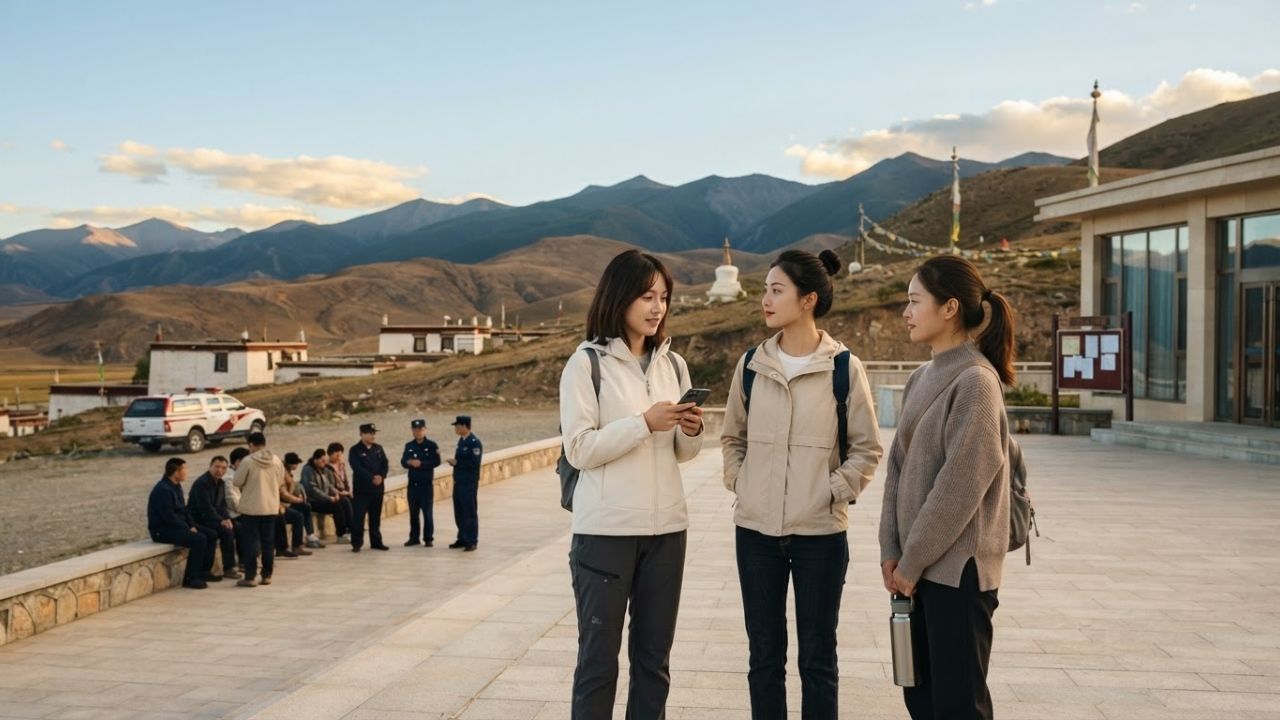
Image generated by AI
A shallow magnitude 5.6 earthquake struck China’s western Qinghai province at a depth of 10 kilometers, prompting geophysics monitoring but resulting in no immediate reports of structural damage or transport disruptions.
The Local Trend Revealed: Shallow Seismicity and Public Response
Qinghai province is under close seismic safety observation after a shallow environmental event. On Wednesday, a magnitude 5.6 earthquake struck the western Chinese region, sending noticeable tremors through surrounding highlands. According to the German Research Centre for Geosciences (GFZ), the earthquake was centered at a shallow depth of 10 kilometers (6.21 miles) below the Earth’s surface. Because the tremor occurred close to the surface, the ground shaking was felt strongly in nearby communities.
Despite the strength of the tremor, local emergency and civil defense bureaus have not reported any casualties, injuries, or significant structural damage. Transport networks—including regional highways, high-speed rail links, and airport terminals—remain open, and no roadblocks or tourism restrictions have been issued. However, geological monitoring remains active as authorities complete inspections of local infrastructure to ensure public safety.
Qinghai Seismic Event Key Parameters (2026)
| Seismological Indicators (GFZ Data) | Recorded Metrics (Qinghai Region) | Current Operational Impact | Primary Safety Coordination |
|---|---|---|---|
| Earthquake Magnitude | 5.6 on the Richter scale | Under active monitoring | Local civil defense and emergency offices |
| Epicenter Depth | 10 kilometers (6.21 miles) | Shallow event with localized shaking | China Earthquake Administration (CEA) |
| Infrastructure Status | Highways, railways, and airports open | No structural damage reported | Qinghai Provincial Department of Tourism |
| Regional Travel Operations | Scenic parks and tour routes open | No tourist restrictions issued | Regional safety monitoring centers |
Cultural & Environmental Value: Mountain Stewardship and Resilient Communities
For the traveler, the real impact of this environmental event is the necessity to practice low-impact, responsible travel that respects local safety guidelines and supports remote mountain communities. By selecting eco-friendly guesthouses constructed with resilient materials, purchasing local disaster recovery insurance, and hiring certified local guides, visitors help distribute economic benefits directly to village families.
Mapped in coordination with the Qinghai Provincial Department of Culture and Tourism and regional conservation groups, these initiatives fund trail safety maintenance in high-altitude parks, ensuring that local nomads and park rangers can protect vulnerable mountain ecosystems. This structured support ensures that tourism spending directly funds community-led safety programs and traditional heritage preservation in rural areas.
Destination Specialist Local Insider Tips
To help you explore Qinghai safely and comfortably while remaining prepared for natural events, travel specialists suggest the following tips:
- Savor Yak Butter Tea and Tsampa: Experience regional Tibetan gastronomy. Savor warm, salty Yak Butter Tea or sample traditional Tsampa (roasted barley flour) served alongside slow-cooked mutton.
- Target the Summer and Autumn Windows: Plan your visits between June and September to enjoy mild high-altitude temperatures and avoid extreme winter logistics blockages.
- Understand Yurts and Guesthouse Protocols: In the event of a tremor, follow the Drop, Cover, and Hold On drill. Move away from brick chimneys, heavy furniture, and high shelves. If staying in a traditional yurt, stay inside as the timber lattice is highly resilient.
- Follow Official Weather and Seismic Channels: Keep updated through official channels. Monitor the WeChat portals of the China Earthquake Administration (CEA) for real-time announcements.
- Visit Hainan Tibetan Autonomous Prefecture: Seek quieter cultural sites. Explore the serene pastures and temples of Hainan Prefecture, which offer authentic local interactions away from crowded tourist spots.
Long-Term Outlook: Resilient Infrastructure and Monitoring
The long-term outlook for Qinghai’s tourism sector is shaped by robust infrastructure standards and proactive community safety initiatives. As local bureaus continue to inspect high-altitude roads, railway corridors, and heritage monasteries, the province will maintain its reputation as a safe, highly attractive destination for cultural and nature-based tourism. By prioritizing sustainable development and clear communication, the region is positioned to navigate natural events while protecting both residents and visitor networks.
Related Travel Guides
Disclaimer
This article is for informational and educational purposes only. It does not constitute legal, financial, or professional advice. While we strive to provide accurate and up-to-date information, travel policies, regulations, and conditions change rapidly. Always verify information with official sources before making travel decisions. Nomad Lawyer makes no representations about the accuracy, reliability, completeness, or suitability of the information provided. Readers should consult qualified professionals for advice specific to their circumstances. The views expressed in this article are those of the author and do not necessarily reflect the views of Nomad Lawyer.
Preeti Gunjan
Contributor & Community Manager
A passionate traveller and community builder. Preeti helps grow the Nomad Lawyer community, fostering engagement and bringing the reader experience to life.
Learn more about our team →