
Qatar Airways Suspends Airbus A380 Services to Sydney and Singapore Amid Fleet Restructuring
Breaking airline news and aviation industry updates for 2026.

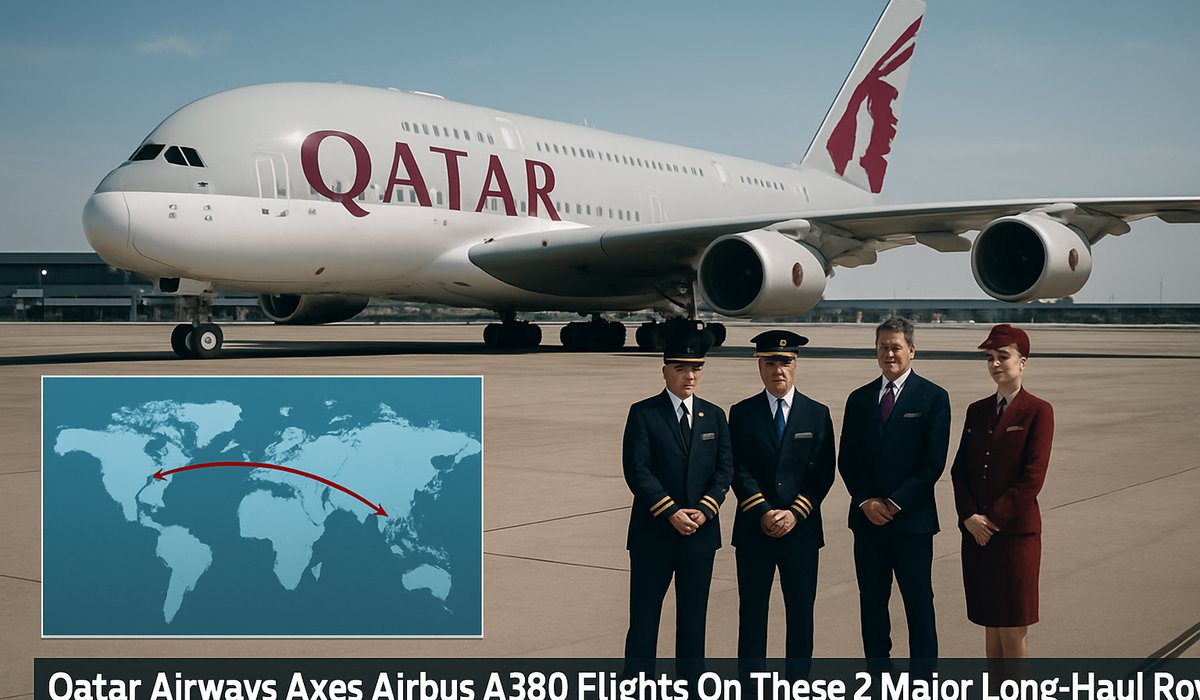
Image generated by AI
Qatar Airways Suspends Airbus A380 Services to Sydney and Singapore Amid Fleet Restructuring
The Middle Eastern carrier retreats from superjumbo operations on two critical Asia-Pacific routes following Iranian tensions and operational reassessment
A380 Grounding Resolved, But Network Changes Follow
Qatar Airways has announced a significant restructuring of its flagship Airbus A380 operations, withdrawing the massive double-deck aircraft from services connecting Doha to both Sydney and Singapore later this year. The decision comes just months after the airline resumed A380 flights on June 16, following a suspension that lasted since April due to regional tensions stemming from escalating conflicts in Iran.
The Doha-based carrier, a oneworld alliance member, cited the need to optimize its fleet deployment across its expanding international network. The withdrawal from these two major Asia-Pacific routes marks a notable shift in the airline's long-haul strategy, even as it brings its superjumbo fleet back into active service on other destinations.
Strategic Implications for Major Routes
The routes to Sydney Kingsford Smith Airport and Singapore Changi Airport represent critical links in Qatar Airways' Asian network, serving high-demand markets with substantial premium and leisure travel segments. The carrier's decision to replace A380 service with alternative wide-body aircraft on these corridors signals a reassessment of capacity planning and operational efficiency across its growing fleet.
This move underscores broader pressures facing airlines operating superjumbo aircraft, as carriers increasingly balance fuel costs, passenger demand patterns, and operational complexity. The Airbus A380, despite its iconic status and premium positioning, remains an expensive aircraft to operate—a concern amplified by volatile jet fuel prices and shifting post-pandemic travel patterns.
Broader Industry Context
Qatar Airways' A380 restructuring reflects wider industry trends affecting superjumbo viability. Airlines worldwide have grappled with optimal deployment of these high-capacity aircraft, particularly on routes where consistent premium demand and load factors cannot justify the additional operating costs.
The suspension in April underscored geopolitical risks to aviation operations in the Middle East, a critical global aviation hub. Qatar Airways' decision to resume services while simultaneously retreating from specific routes demonstrates the carrier's efforts to balance operational resilience with commercial pragmatism.
The airline has not specified which aircraft types will replace the A380 on the affected routes, though typically carriers substitute superjumbos with Boeing 777 or Airbus A350 wide-body jets on long-haul services.
Frequently Asked Questions
Why did Qatar Airways ground its A380 fleet in April? The aircraft were grounded due to tensions related to conflict in Iran, which prompted operational precautions affecting Middle Eastern aviation operations.
When will the A380 withdrawal from Sydney and Singapore take effect? Qatar Airways has confirmed the change will occur later in 2024, though specific dates have not been disclosed.
What aircraft will replace the A380 on Doha-Sydney and Doha-Singapore routes? The airline has not officially announced replacement aircraft; however, Boeing 777 and Airbus A350 wide-bodies are typical substitutes on long-haul routes.
How do A380 operating costs affect airline route planning? Superjumbo aircraft require higher fuel consumption, maintenance, and crew expenses, making them viable only on routes with sustained premium demand and high load factors.
Is the A380 becoming obsolete in commercial aviation? While Airbus ceased A380 production in 2021, carriers continue operating existing aircraft on strategically important routes where capacity and premium positioning justify operational costs.
Related Travel Guides
-
Aegean Airlines Surges: Greece's Carrier Posts 5% Revenue Growth in 2025
-
Travel Europe America: GOL Linhas Aéreas Launches Historic Rio-Lisbon Route
External Resources
Disclaimer
This article is for informational and educational purposes only. It does not constitute legal, financial, or professional advice. While we strive to provide accurate and up-to-date information, travel policies, regulations, and conditions change rapidly. Always verify information with official sources before making travel decisions. Nomad Lawyer makes no representations about the accuracy, reliability, completeness, or suitability of the information provided. Readers should consult qualified professionals for advice specific to their circumstances. The views expressed in this article are those of the author and do not necessarily reflect the views of Nomad Lawyer.
Kunal K Choudhary
Co-Founder & Contributor
A passionate traveller and tech enthusiast. Kunal contributes to the vision and growth of Nomad Lawyer, bringing fresh perspectives and driving the community forward.
Learn more about our team →