
American Airlines Eliminates Last US International First Class Cabin, Reshaping Luxury Air Travel
Breaking airline news and aviation industry updates for 2026.

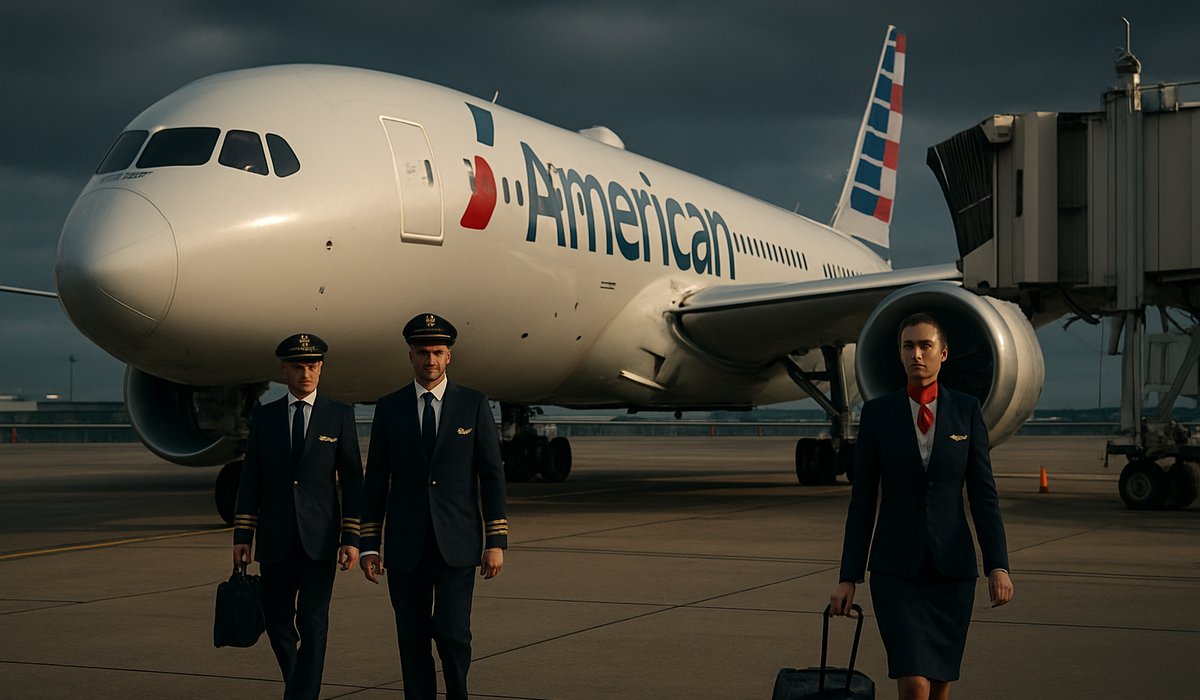
Image generated by AI
American Airlines Eliminates Last US International First Class Cabin, Reshaping Luxury Air Travel
The carrier's shift to Flagship Suite cabins signals the end of an era for premium transatlantic and long-haul travel, as the entire US aviation industry pivots toward business-class alternatives
The Death of Traditional First Class
American Airlines has officially closed the chapter on first-class cabins across its international long-haul fleet, marking a seismic shift in how premium passengers will experience air travel from the United States. The airline's transition to its newly branded Flagship Suite product will eliminate Flagship First—the carrier's signature first-class offering—from all wide-body aircraft over the coming years, leaving no traditional first-class products remaining on any major US carrier serving international routes.
The strategic move represents a fundamental industry recalibration. Rather than maintaining separate first and business cabins, American Airlines is consolidating premium offerings into a single, enhanced business-class product that the carrier argues delivers superior comfort and value. The decision effectively signals the conclusion of an aviation era defined by tiered cabin hierarchies on transatlantic and long-haul services.
Industry-Wide Transformation
This transformation extends beyond American Airlines alone. The shift underscores a broader restructuring within the US aviation sector, where legacy carriers have systematically phased out traditional first-class cabins in favor of premium business-class configurations. Competitors including United Airlines and Delta Air Lines have similarly migrated toward flat-bed business-class seating with enhanced amenities, rather than maintaining distinct first-class compartments.
The conversion reflects evolving passenger demand and revenue optimization strategies. Airlines have determined that business travelers and premium leisure passengers increasingly prefer the flexibility and modern amenities of business-class cabins over traditional first-class arrangements. Advanced flat-bed seating, direct-aisle access on certain configurations, and enhanced dining experiences have become the industry standard for premium international travel.
Financial and Strategic Implications
The timing of American Airlines' decision coincides with broader pressures facing the aviation industry. Volatile jet fuel prices, inflationary cost pressures, and competition from international carriers with newer premium products have forced US airlines to recalibrate their cabin strategies. Rather than maintaining multiple premium products, consolidation reduces operational complexity while potentially maximizing revenue per seat through dynamic pricing mechanisms.
American Airlines has not publicly detailed specific financial projections tied to the Flagship Suite rollout, but industry analysts suggest the restructuring could improve aircraft efficiency and expand premium seat availability by eliminating redundant cabin configurations.
What This Means for Travelers
Passengers booking premium international fares from US carriers will no longer encounter traditional first-class options. Instead, the aviation landscape has standardized around business-class products with premium positioning, direct-aisle seating, and enhanced service levels that previously distinguished first-class offerings.
This consolidation fundamentally alters transatlantic and long-haul travel economics, potentially affecting pricing structures and seat availability across the US aviation market.
Frequently Asked Questions
Q: Are there any US airlines still offering traditional first class on international flights? A: No. With American Airlines' transition to Flagship Suite, all major US carriers have effectively eliminated traditional first-class cabins on international routes, standardizing around premium business-class products instead.
Q: How does Flagship Suite differ from traditional first class? A: Flagship Suite emphasizes modern flat-bed seating, enhanced in-flight dining, and direct-aisle access configurations, representing a modernized approach to premium cabin design compared to legacy first-class seating arrangements.
Q: Will first-class ticket prices change as a result of this transition? A: American Airlines' premium pricing structure will align with its new Flagship Suite product positioning, though the airline has not announced specific fare adjustments tied to the cabin transition.
Q: Which airlines have already eliminated first class on international routes? A: United Airlines and Delta Air Lines have similarly phased out traditional first-class cabins in favor of premium business-class configurations on their international fleets.
Q: When will American Airlines complete the Flagship First elimination across its fleet? A: American Airlines plans to phase out Flagship First across its long-haul aircraft over the coming years, though specific aircraft retirement timelines have not been publicly disclosed.
Related Travel Guides
External Resources
Disclaimer
This article is for informational and educational purposes only. It does not constitute legal, financial, or professional advice. While we strive to provide accurate and up-to-date information, travel policies, regulations, and conditions change rapidly. Always verify information with official sources before making travel decisions. Nomad Lawyer makes no representations about the accuracy, reliability, completeness, or suitability of the information provided. Readers should consult qualified professionals for advice specific to their circumstances. The views expressed in this article are those of the author and do not necessarily reflect the views of Nomad Lawyer.
Kunal K Choudhary
Co-Founder & Contributor
A passionate traveller and tech enthusiast. Kunal contributes to the vision and growth of Nomad Lawyer, bringing fresh perspectives and driving the community forward.
Learn more about our team →