
Qantas Slashes Domestic Flights and Hikes Fares as Middle East War Drives Fuel Costs Near $1 Billion Surge
Qantas cuts domestic capacity 5% in May-June, suspends regional routes, and raises fares amid $3.1-3.3B fuel bill surge triggered by Iran conflict disrupting Persian Gulf carriers.

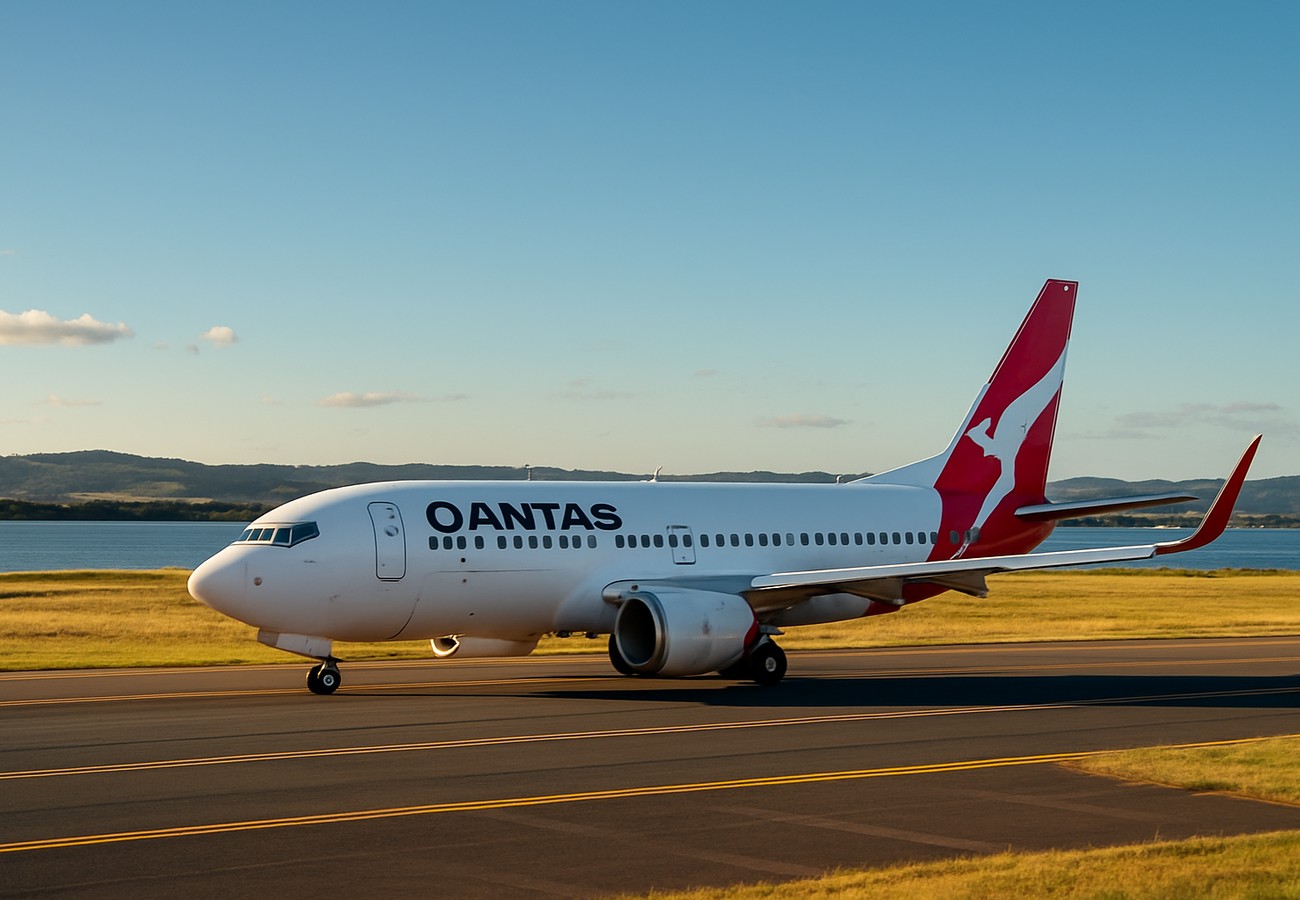
Image generated by AI
Geopolitical Crisis Reshapes Australian Aviation: Qantas Implements Major Network Overhaul
Qantas has officially announced significant domestic capacity reductions and fare adjustments in response to escalating geopolitical tensions and soaring jet fuel costs. According to a market update released on Tuesday, April 14, 2026, the national carrier is implementing strategic network changes to address the financial impact of rising fuel prices and shifting international travel patterns triggered by Middle East instability.
The Middle East Conflict's Ripple Effect on Global Aviation
The ongoing Iran conflict has fundamentally disrupted Persian Gulf aviation operations, creating substantial market shifts across the industry. Major carriers including Emirates, Etihad Airways, and Qatar Airways have significantly reduced their services due to regional instability, leaving a notable gap in international connectivity.
This disruption has created an unexpected opportunity for Qantas. The airline is capitalizing on increased demand for Asia-transited routes to European destinations, particularly for travelers heading to Paris and Rome. Rather than flying directly through the Middle East, passengers are increasingly choosing alternative routing through Asian hubs, benefiting Qantas' international network.
To maximize this opportunity, Qantas is strategically redeploying aircraft capacity from its domestic and United States networks toward these high-demand international routes. This shift reflects a deliberate prioritization of international revenue growth over domestic market share.
Domestic Network Contraction: Specific Route Changes
Despite international growth prospects, Qantas' domestic operations face significant headwinds. The airline has announced approximately 5% capacity reductions across both Qantas and Jetstar domestic networks during May and June 2026. This contraction will be most visible on routes connecting Australia's state capital cities.
Temporary and Permanent Service Suspensions
Four temporary route suspensions are scheduled to commence in mid-May:
- Melbourne to Hamilton Island (Qantas)
- Melbourne to Coffs Harbour (Qantas)
- Sydney to Busselton (Jetstar)
- Darwin to Gold Coast (Jetstar)
Most significantly, the Adelaide to Mount Gambier service faces indefinite suspension—effectively a permanent withdrawal. Qantas has cited low passenger demand combined with exorbitant fuel costs as the primary drivers for this permanent route cancellation.
The Fuel Cost Crisis: A $3.1-3.3 Billion Impact
The financial pressure on Qantas is staggering. Sharp increases in oil prices triggered by the Iran conflict have resulted in a doubling of jet fuel costs. The airline now projects its fuel bill for the second half of the 2026 financial year will reach between $3.1 billion and $3.3 billion—a substantial increase from previous forecasts that places considerable pressure on profit margins.
While Qantas does not operate flights directly into the Middle East, the ripple effects of regional instability are being felt across its entire global network. The airline is working closely with the Australian government and fuel suppliers to ensure stable jet fuel supply through May 2026, though the situation remains subject to ongoing monitoring due to inherent uncertainties in global supply chains.
Strategic Response: Fare Increases and Network Optimization
To mitigate rising costs, Qantas is implementing a multi-pronged strategy:
- Fare increases across affected routes
- International network expansion toward high-demand Asia-Europe corridors
- Domestic capacity adjustments focused on off-peak period reductions
- Capital expenditure optimization with 2026 spending now expected at or below $4.1 billion
This approach allows the airline to maintain operational stability while protecting international revenue streams that are projected to grow 4-6% in the latter half of 2026.
What This Means for Travelers
Passengers affected by Qantas schedule changes are being contacted directly by the airline. The carrier is offering alternative flights on the same day or full refunds for cancelled bookings. Qantas is prioritizing capacity withdrawals during off-peak periods to minimize customer disruption.
However, travelers should expect:
- Higher fares on remaining domestic routes
- Reduced flight frequency on key regional connections
- Limited service availability on affected routes during May-June
- Potential for further changes if fuel costs continue escalating
Domestic revenue is still anticipated to grow 5% in the second half of 2026, driven by strong performance earlier in the year, suggesting that despite capacity cuts, demand remains resilient.
Industry-Wide Capacity Reductions Signal Global Aviation Recalibration
Qantas is not alone in responding to this crisis. Other major carriers including Air New Zealand, Air India, and Delta Air Lines have similarly reduced capacity in recent days, citing soaring fuel costs. This global trend reflects what economic analysts describe as a "stagflationary shock" affecting the entire aviation sector.
The Reserve Bank of Australia has characterized the current economic environment as particularly challenging for central bankers, as household confidence is tested by rising costs and regional instability. The aviation industry's response—strategic capacity reductions paired with fare increases—represents a broader market recalibration as carriers navigate unprecedented external pressures.
Forward Outlook: Flexibility and Monitoring
Qantas' strategy remains one of flexibility and continuous monitoring. The airline's reliance on Asian transit points is likely to remain a key feature of its international strategy for the foreseeable future, as travelers increasingly prioritize safety and reliability in route selection.
Further operational adjustments may be required if fuel costs continue escalating. For now, the national carrier is focused on optimizing its network to meet shifting traveler preferences while maintaining stable operations amid significant external challenges. The situation in the Middle East continues to evolve, and the aviation industry remains in a state of active adaptation to these unprecedented market conditions.
For the most current information on Qantas schedule changes and fare adjustments, travelers should consult the airline's official website or contact customer service directly. Flight schedules, travel conditions, and pricing remain subject to immediate change based on fuel costs and geopolitical developments.
Related Travel Guides
Disclaimer
This article is for informational and educational purposes only. It does not constitute legal, financial, or professional advice. While we strive to provide accurate and up-to-date information, travel policies, regulations, and conditions change rapidly. Always verify information with official sources before making travel decisions. Nomad Lawyer makes no representations about the accuracy, reliability, completeness, or suitability of the information provided. Readers should consult qualified professionals for advice specific to their circumstances. The views expressed in this article are those of the author and do not necessarily reflect the views of Nomad Lawyer.
Kunal K Choudhary
Co-Founder & Contributor
A passionate traveller and tech enthusiast. Kunal contributes to the vision and growth of Nomad Lawyer, bringing fresh perspectives and driving the community forward.
Learn more about our team →