
Qantas' Project Sunrise Faces Fresh Setback as Airbus A350-1000 Deliveries Slip into 2027
Breaking airline news and aviation industry updates for 2026.

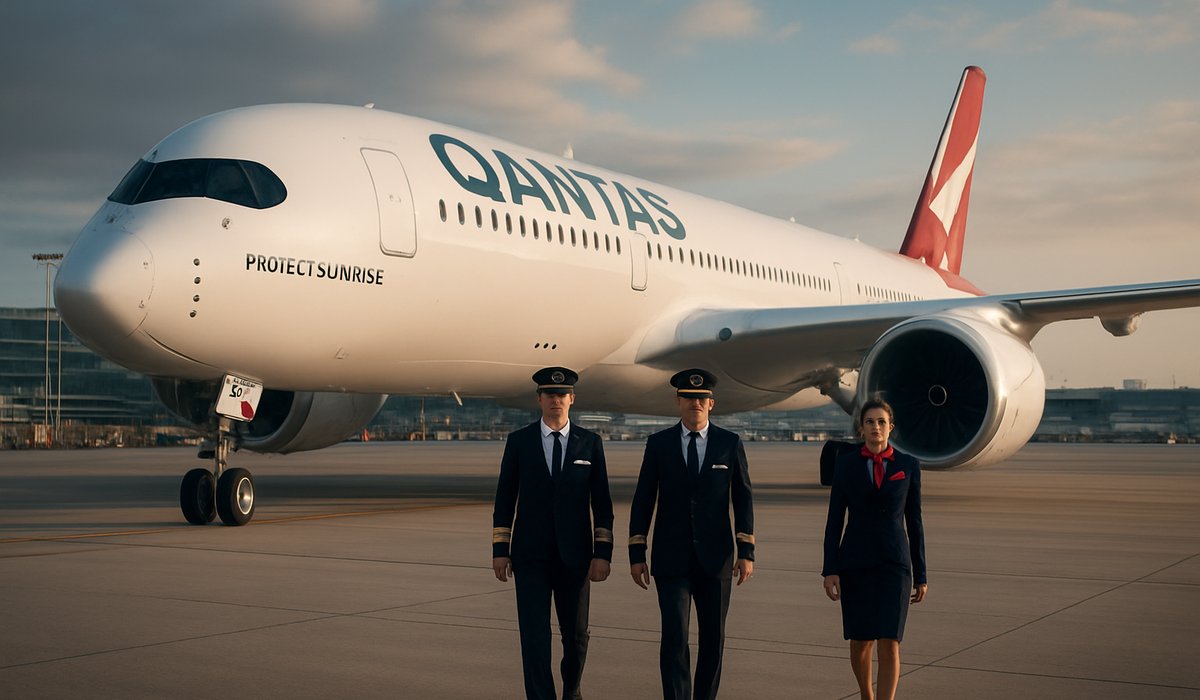
Image generated by AI
Qantas' Project Sunrise Faces Fresh Setback as Airbus A350-1000 Deliveries Slip into 2027
Supply chain disruptions delay ultra-long-range aircraft program, threatening carrier's ambitious non-stop flight expansion
Another Delay Hits Qantas' Game-Changing Aircraft Program
Qantas Airways' landmark Project Sunrise initiative has encountered fresh obstacles, with Airbus confirming that manufacturing delays will push the airline's first ultra-long-range A350-1000 delivery well into 2027—a significant miss from the originally targeted completion date of late 2026.
The European aircraft manufacturer attributed the postponement to unspecified supply chain complications, according to statements released Monday, further straining the ambitious timeline for one of aviation's most anticipated aircraft programs.
What Project Sunrise Means for Global Aviation
Project Sunrise represents Qantas' transformative bid to operate the world's longest commercial routes, including Sydney to London and Sydney to New York non-stop services. The specialized A350-1000ULR (Ultra Long Range) variant is purpose-built to extend flight endurance beyond conventional limits, capable of covering distances exceeding 19,750 kilometers.
This delay marks another chapter in a troubled development cycle for the aircraft. The program has faced repeated setbacks since its inception, with manufacturing complications and supply chain bottlenecks creating persistent uncertainty around delivery timelines.
Industry-Wide Supply Chain Strain Persists
The continued disruptions underscore the aviation manufacturing sector's broader vulnerability to global supply chain instability. Since pandemic-related shutdowns and subsequent geopolitical tensions, component suppliers have struggled to meet production demands, creating cascading delays across major aircraft programs.
Airbus has not provided specific details regarding which components or suppliers are responsible for the current postponement, maintaining ambiguity that reflects the complexity of assembling ultra-modern long-haul aircraft.
Impact on Qantas and Competitors
The extended timeline means Qantas will continue relying on existing aircraft for long-haul operations longer than anticipated, potentially affecting the carrier's competitive positioning against international rivals pursuing similar ultra-long-range capabilities. The delay also raises questions about the financial implications for Qantas, which has committed substantial capital to the Program Sunrise initiative.
Industry analysts note that such delays ripple across the aviation ecosystem, affecting maintenance planning, route scheduling, and strategic expansion roadmaps at carriers worldwide.
Looking Ahead
Qantas has indicated it will provide updated information as the program progresses, though the company has not publicly commented on alternative strategies should delays persist beyond early 2027.
FAQ: Qantas A350-1000 Delays and Ultra-Long-Range Aviation
Q: What is Project Sunrise? A: Project Sunrise is Qantas Airways' initiative to operate the world's longest commercial airline routes non-stop, including Sydney-London and Sydney-New York services, using specialized Airbus A350-1000ULR aircraft.
Q: Why has the A350-1000ULR been delayed? A: Airbus cited unspecified supply chain issues as the cause, a common challenge affecting aircraft manufacturing since pandemic disruptions and ongoing geopolitical tensions.
Q: When will Qantas receive its first A350-1000ULR now? A: The expected delivery has been pushed to early 2027, missing the original late-2026 target date.
Q: How does this affect airline fees and ticket prices? A: Delayed ultra-long-range capacity may extend higher operational costs on long-haul routes, potentially influencing baggage charges and ticket pricing competitiveness.
Q: What other airlines are developing ultra-long-range aircraft? A: Several international carriers are pursuing extended-range capabilities, making supply chain delays particularly significant for competitive positioning in premium long-haul markets.
Related Travel Guides
Flight Delay Compensation Guide 2026
Understanding Airline Route Changes
Airport Security Process Updated (2026)
External Resources
Disclaimer
This article is for informational and educational purposes only. It does not constitute legal, financial, or professional advice. While we strive to provide accurate and up-to-date information, travel policies, regulations, and conditions change rapidly. Always verify information with official sources before making travel decisions. Nomad Lawyer makes no representations about the accuracy, reliability, completeness, or suitability of the information provided. Readers should consult qualified professionals for advice specific to their circumstances. The views expressed in this article are those of the author and do not necessarily reflect the views of Nomad Lawyer.
Kunal K Choudhary
Co-Founder & Contributor
A passionate traveller and tech enthusiast. Kunal contributes to the vision and growth of Nomad Lawyer, bringing fresh perspectives and driving the community forward.
Learn more about our team →