
Boeing's 777X Fleet Sits Grounded: Over 20 Aircraft Built But Barred From Commercial Flight
Breaking airline news and aviation industry updates for 2026.

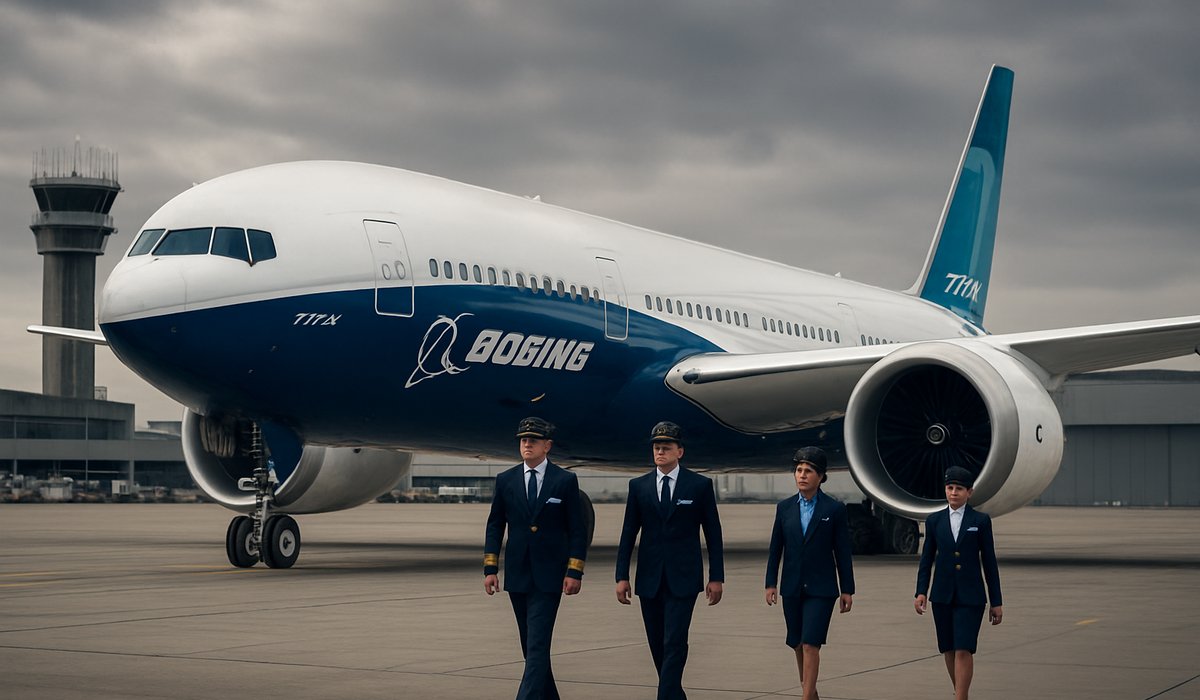
Image generated by AI
Boeing's 777X Fleet Sits Grounded: Over 20 Aircraft Built But Barred From Commercial Flight
The aerospace giant faces mounting pressure as regulatory delays and supply chain disruptions keep its flagship widebody aircraft earthbound, raising questions about delivery timelines and financial viability
Production Outpaces Certification in Boeing's Troubled 777X Program
Boeing has constructed more than 20 examples of its highly anticipated 777X widebody aircraft, yet not a single unit has been cleared for commercial operations. The delay represents a stark reality check for one of modern aviation's most ambitious engineering projects: the company is building aircraft faster than regulators can certify them.
The 777X program, designed to revolutionize long-haul travel with advanced aerodynamic features and fuel-efficient engines, has faced a certification timeline that slipped by approximately seven years from initial projections. This extended regulatory process, combined with persistent supply chain challenges, has created an unprecedented bottleneck in Boeing's production pipeline.
Why Boeing Built Before Certification
The decision to manufacture aircraft ahead of regulatory approval reflects industry practice and production strategy. Boeing's manufacturing facilities operate on predetermined schedules, and the company anticipated that Federal Aviation Administration (FAA) certification would progress more rapidly. The strategy made economic sense on paper—keeping production lines active while awaiting final approval—but the prolonged delays have transformed this gambit into a costly liability.
Multiple units have languished in storage for extended periods, incurring carrying costs and raising questions about aircraft degradation and maintenance procedures during extended parking.
The Delivery Dilemma
Perhaps most problematically, the oldest completed aircraft may not be delivered first when certification finally arrives. Aircraft constructed earlier may require additional modifications, systems updates, or refurbishment to meet current specifications and customer requirements that evolved during the extended development phase. This sequencing complication adds further delays to eager airline customers awaiting deliveries.
Industry Impact and Broader Implications
The 777X delays carry significant consequences for the commercial aviation sector. Airlines depending on these fuel-efficient aircraft to manage operational costs face continued uncertainty. With jet fuel prices remaining a critical concern for carrier profitability, delays to next-generation widebody aircraft impact scheduling, route planning, and competitive positioning.
Competitors, including Airbus's A350 program, have capitalized on Boeing's struggles by capturing market share and securing commitments from airlines seeking aircraft with confirmed delivery dates.
The Path Forward
Boeing continues working with regulators to complete the certification process, but visibility on a concrete timeline remains limited. The accumulating inventory of uncertified aircraft represents both a financial burden and a technical management challenge that will require careful coordination across manufacturing, regulatory, and customer operations.
FAQ: Boeing 777X Questions Answered
Q: Why hasn't Boeing delivered any 777X aircraft yet? A: Regulatory certification from the FAA remains incomplete due to complex systems validation and extended testing requirements, with the timeline extending approximately seven years beyond initial projections.
Q: How many 777X aircraft has Boeing completed? A: Boeing has produced more than 20 aircraft, though exact figures vary as production continues.
Q: Will older 777X aircraft be delivered first? A: No—aircraft built earlier may require additional modifications and system updates, meaning newer units could potentially be delivered ahead of older inventory.
Q: How does this affect airline operations and travel costs? A: Delays to fuel-efficient aircraft force carriers to rely on older widebodies, potentially increasing operational costs that may translate to higher airline fees and ticket prices for passengers.
Q: When will 777X aircraft enter commercial service? A: No confirmed date has been announced, though Boeing continues pursuing FAA certification without a publicly disclosed timeline.
Related Travel Guides
Flight Delay Compensation Guide 2026
Understanding Airline Route Changes
Airport Security Process Updated (2026)
External Resources
Disclaimer
This article is for informational and educational purposes only. It does not constitute legal, financial, or professional advice. While we strive to provide accurate and up-to-date information, travel policies, regulations, and conditions change rapidly. Always verify information with official sources before making travel decisions. Nomad Lawyer makes no representations about the accuracy, reliability, completeness, or suitability of the information provided. Readers should consult qualified professionals for advice specific to their circumstances. The views expressed in this article are those of the author and do not necessarily reflect the views of Nomad Lawyer.
Kunal K Choudhary
Co-Founder & Contributor
A passionate traveller and tech enthusiast. Kunal contributes to the vision and growth of Nomad Lawyer, bringing fresh perspectives and driving the community forward.
Learn more about our team →