
Qantas Airbus A380 Makes Rare Charter Landing At London Gatwick
A Qantas Airbus A380 superjumbo landed unexpectedly at London Gatwick on April 20, 2026, marking a rare charter operation away from its usual Heathrow base and surprising aviation enthusiasts across the UK.

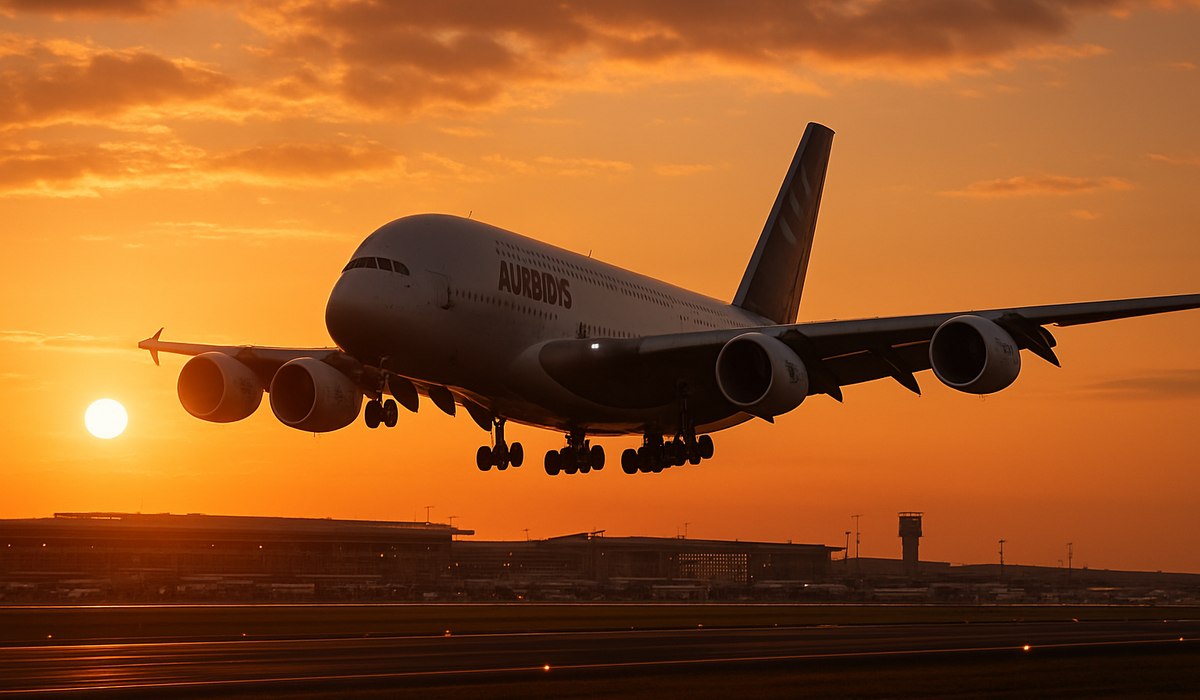
Image generated by AI
Qantas A380 Touches Down At Gatwick In Unexpected Charter Operation
A Qantas Airbus A380 superjumbo made headlines on April 20, 2026, when the aircraft landed at London Gatwick Airport during a rare charter operation. The four-engine giant, registered as VH-OQH and christened "Charles Ulm," diverted from its standard operational base at London Heathrow, creating a buzz among aviation enthusiasts across the United Kingdom. This unexpected appearance at Gatwick represents a significant departure from routine Qantas A380 scheduling in London operations. The charter flight underscores the flexibility of these massive aircraft in serving specialized transport requirements beyond commercial scheduled services.
Why The A380 Diverted To Gatwick
The Qantas Airbus A380 charter operation highlighted the aircraft's versatility in accommodating non-standard airport assignments. While Qantas typically operates its A380 fleet exclusively from London Heathrow, specific charter requirements necessitated the Gatwick landing. Charter operations allow airlines to deploy their largest aircraft to secondary airports when demand, logistics, or client specifications warrant such deployment. This particular flight likely responded to a specialized travel requirement, corporate charter booking, or positioning assignment that made Gatwick the optimal choice. The diversion demonstrates how premium aviation services utilize superjumbo capacity for tailored itineraries beyond routine commercial scheduling patterns.
Charter Operations And Aviation Rarity
Charter flights represent specialized aviation services distinct from scheduled commercial operations. When major carriers like Qantas deploy their flagship Airbus A380 aircraft for charter purposes, such movements attract significant attention from aviation professionals and plane-spotting communities. The A380 remains one of the world's largest passenger aircraft, with capacity exceeding 500 seats in high-density configurations. Charter operations typically command premium pricing and serve executive travel, sports team transportation, or large group relocations. The Gatwick appearance underscores how charter flexibility allows airlines to serve markets and schedules impossible within standard flight networks. These rare deployments provide valuable data for airport operations and aviation logistics planning across Europe's busiest travel corridors.
Impact On Aviation Enthusiasts And Planespotters
London's aviation community experienced considerable excitement following the unexpected Qantas Airbus A380 arrival at Gatwick. Plane spotters traditionally monitor Heathrow's international terminals for A380 movements, making the Gatwick touchdown a notable deviation from expected patterns. Aviation databases like FlightAware tracked the aircraft's routing, enabling enthusiasts worldwide to follow the charter operation in real time. The unexpected landing generated social media discussion and photography opportunities across established aviation networks. Such rare movements remind aviation communities why continuous monitoring of flight operations remains essential for comprehensive fleet tracking and operational intelligence.
Qantas Long-Haul Fleet Operations And A380 Strategy
The Qantas Airbus A380 fleet remains instrumental in the airline's long-haul international strategy, particularly on ultra-premium routes. Qantas operates one of the world's largest A380 fleets, with aircraft regularly assigned to flagship routes connecting Australia with major European and North American hubs. London Heathrow represents a critical junction in this network, hosting Qantas' primary A380 operations in the United Kingdom. The aircraft typically operates high-frequency services on Australian-to-London routes, representing the carrier's premium offering on these competitive ultra-long-haul markets. Charter diversions like the Gatwick landing demonstrate how individual aircraft within the fleet remain flexible resources deployed according to evolving network demands and commercial opportunities.
| Metric | Details |
|---|---|
| Aircraft Type | Airbus A380-800 (four-engine superjumbo) |
| Aircraft Name | Charles Ulm |
| Aircraft Registration | VH-OQH |
| Landing Date | April 20, 2026 |
| Primary Airport | London Gatwick |
| Typical Base | London Heathrow |
| Operation Type | Charter flight |
| Operator | Qantas Airways |
| Capacity Range | 490-530 passengers (configuration-dependent) |
| Notable Feature | Rare diversion from scheduled operations |
What This Means For Travelers
The Qantas Airbus A380 Gatwick charter operation carries implications for passengers booking premium long-haul travel across Qantas' international network:
-
Verify your departure airport before traveling to London, as charter operations may occasionally utilise alternative terminals beyond standard scheduled hubs.
-
Monitor official Qantas communications regarding any unexpected schedule changes, as charter activities can occasionally impact adjacent flights within operational windows.
-
Book connections with adequate buffer time, particularly if your journey terminates at London airports, to accommodate potential operational adjustments.
-
Register for flight alerts through airline websites and apps, ensuring you receive immediate notification of any routing or terminal changes affecting your booking.
-
Contact your airline directly with questions about specific services, aircraft types, or airport assignments relevant to your upcoming travel dates.
-
Check ground transportation options to your actual departure airport, as Heathrow and Gatwick maintain different transit infrastructure and accessibility patterns.
Frequently Asked Questions
What is a charter flight operation in airline services?
Charter flights represent non-scheduled airline operations deployed for specialized transport requirements. Airlines deploy aircraft outside their standard route networks to serve corporate clients, sports teams, or specialized travel groups. Charter operations command premium pricing and offer scheduling flexibility unavailable through commercial flights. These movements allow carriers to monetize aircraft during gaps in scheduled operations and serve niche market segments.
Why would Qantas operate its A380 from Gatwick instead of Heathrow?
Charter requirements, airport availability, or client specifications may necessitate Gatwick deployment despite Heathrow's status as Qantas' primary London hub. Gatwick offers sufficient infrastructure for A380 operations while occasionally presenting cost advantages or scheduling flexibility for specialized assignments. The diversion demonstrates operational efficiency in deploying assets according to commercial demand rather than standard routing patterns.
How can I track Qantas A380 movements and flight operations?
Real-time flight tracking through FlightAware enables monitoring of individual Qantas aircraft movements. Entering the aircraft registration (VH-OQH) provides comprehensive historical and live position data. Aviation apps and specialized flight tracking platforms offer detailed routing, altitude, and operational status information for enthusiasts and business travellers.
Does this charter operation affect scheduled Qantas London services?
One-off charter operations typically exist outside standard scheduled networks and should not impact regular commercial flight schedules. However, aircraft deployment for charter purposes may occasionally affect aircraft positioning for subsequent scheduled services. Passengers booked on standard Qantas flights should verify flight status through official channels if concerned about potential cascading effects.
Related Travel Guides
- British Airways Diversion Leaves Passengers in Subzero Arctic Ordeal
- Ryanair Passenger Video Exposes Tenerife South Airport Border Queue Crisis in 2026
- Dubai flights slowly resume as US-Iran ceasefire takes hold in 2026
Disclaimer
This article covers aviation operations and charter flight movements documented during April 2026. Information derives from publicly available aviation tracking databases and industry reporting. Readers should verify specific flight details, scheduling changes, or airport assignments directly with Qantas Airways through official channels before finalizing travel arrangements. The [US Department of Transportation](https
Disclaimer
This article is for informational and educational purposes only. It does not constitute legal, financial, or professional advice. While we strive to provide accurate and up-to-date information, travel policies, regulations, and conditions change rapidly. Always verify information with official sources before making travel decisions. Nomad Lawyer makes no representations about the accuracy, reliability, completeness, or suitability of the information provided. Readers should consult qualified professionals for advice specific to their circumstances. The views expressed in this article are those of the author and do not necessarily reflect the views of Nomad Lawyer.
Kunal K Choudhary
Co-Founder & Contributor
A passionate traveller and tech enthusiast. Kunal contributes to the vision and growth of Nomad Lawyer, bringing fresh perspectives and driving the community forward.
Learn more about our team →