
Dubai flights slowly resume as US-Iran ceasefire takes hold in 2026
Dubai flights slowly resume operations following a temporary US-Iran ceasefire announced April 7, 2026. Airlines cautiously restore schedules while managing diversions and delays across Middle East airspace.

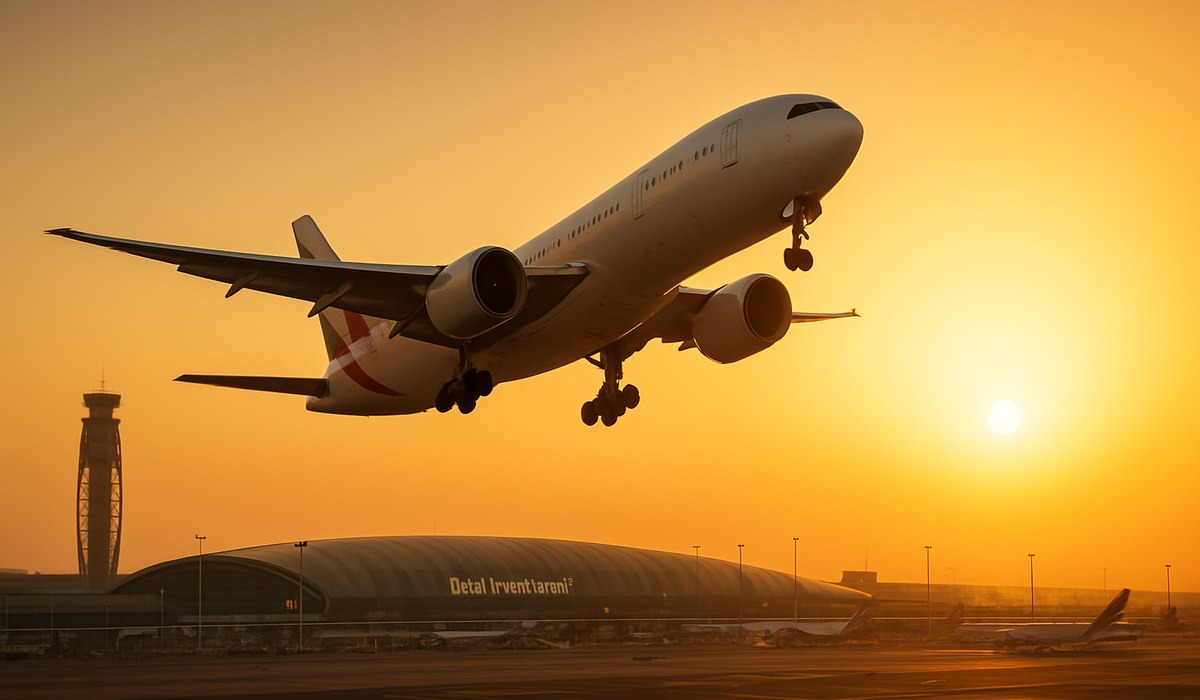
Image generated by AI
Dubai Flights Slowly Resume Amid Cautious Regional Stability
Dubai International Airport is gradually restoring normal flight operations following the temporary ceasefire between the United States and Iran announced on April 7, 2026. However, Dubai flights slowly continue to experience diversions, rolling delays, and selective cancellations as carriers verify the durability of the two-week pause in hostilities. The Middle East's busiest aviation hub processed hundreds of daily movements on April 8, yet remains vulnerable to potential escalations that could disrupt routing corridors across the Gulf region.
The conflict-driven disruptions that began in late February forced airlines to completely redraw long-haul flight paths connecting Europe, Asia, and Africa. While the ceasefire brings cautious relief to previously restricted airspace, aviation analysts emphasize this represents fragile stabilization rather than a complete reset of operations. Airlines and insurers are adopting a wait-and-see approach before committing to expensive network restructuring that could be reversed if hostilities resume.
Ceasefire Brings Cautious Relief to Middle East Airspace
The two-week ceasefire agreement includes commitments to reopen key maritime and air corridors, particularly the strategic Strait of Hormuz, though implementation timelines remain ambiguous. Early reports from April 8 revealed mixed compliance, with isolated incidents still occurring in parts of Iran and the Persian Gulf despite official ceasefire announcements.
Aviation specialists note that patchy compliance typically prompts carriers and insurers to delay restoring normal routings through high-risk flight information regions by several days. This deliberate caution reflects the realities of operating in contested airspace where conditions can shift rapidly. Airlines have already incurred substantial costs through aircraft repositioning, crew reallocations, and emergency schedule modifications—investments they cannot quickly reverse without clear evidence of sustained stability.
The phased approach allows aviation authorities and carriers to continuously assess airspace safety metrics before committing additional capacity. According to FlightAware, tracking data shows systematic reopening of previously closed corridors rather than immediate full restoration. This measured pace protects passenger safety while allowing operators to maintain operational flexibility if the security environment deteriorates.
Dubai Operations Improve but Remain Vulnerable to Flare-Ups
Dubai International Airport has transitioned from the full closures and mass cancellations of early March to a more manageable pattern of disruptions. By April 6, the facility was handling hundreds of daily movements, though knock-on effects from wider regional instability continued affecting schedules.
Industry data from April 6 documented approximately 375 delays and 17 cancellations across major Middle East airports including Dubai, illustrating how even partially reopened hubs struggle when neighboring airspace remains constrained. UAE regulators implemented tightly controlled "safe corridors" routing flights south and west through Saudi Arabia and Oman during peak hostility periods. These specialized routings sustained core connections for Emirates and other carriers but at costs including extended flight times, higher fuel consumption, and compressed scheduling buffers vulnerable to weather disruptions.
The gradual improvement trajectory depends entirely on ceasefire durability. Any significant escalation could trigger immediate airspace closures, forcing airlines to reimpose emergency diversions and cancellations. This vulnerability shapes current passenger expectations and airline recovery planning.
Why Airlines Are Taking a Wait-and-See Approach
Major carriers operating Middle East hubs recognize the financial stakes of premature network restoration. Dubai flights slowly returning to normal reflects deliberate risk management rather than operational indifference.
Qatar Airways exemplifies this cautious strategy, having grounded its Airbus A380 fleet and suspended over 12,000 flights across April and May at Hamad International Airport in Doha. The airline concentrated remaining capacity on core routes navigable around restricted zones while maintaining flexibility to adapt if the ceasefire collapses. Scheduling data indicates potential capacity restoration beginning June 2026, contingent on sustained stability.
India's flag carrier and other South Asian operators similarly suspended or diverted Dubai services at conflict peaks, routing passengers through alternative Gulf hubs including Sharjah and Abu Dhabi. These network modifications reflect comprehensive reassessments of operating procedures, insurance coverage, and risk protocols that extend beyond immediate route reopenings.
European and American carriers have extended planned diversions into early May, signaling confidence in the ceasefire while avoiding overcommitment to a potentially fragile arrangement. This approach prioritizes passenger safety and operational reliability over aggressive schedule expansion.
What Passengers Should Expect in Coming Weeks
Travelers should anticipate continued disruptions throughout April and May 2026 despite the ceasefire. Flight delays averaging 1-2 hours remain probable on Middle East routes, while selective cancellations may occur without warning if security assessments shift.
Airlines are processing accumulated booking backlogs and reboking delayed passengers, creating scheduling pressure alongside normal demand. Passengers holding tickets for April and May flights should contact their carriers directly to confirm departure times, as published schedules may not reflect real-time operational adjustments. Diversions via Abu Dhabi, Sharjah, and other alternative hubs remain common, adding transit time and complexity to itineraries.
The FAA and regional aviation authorities continue monitoring airspace stability, with updated restrictions potentially issued with minimal advance notice. Travel insurance covering flight disruptions, cancellations, and diversions offers financial protection during this volatile period. Passengers should review carrier-specific policies regarding rebooking on alternative flights or refund eligibility before departure.
Key Disruption Metrics: April 2026
| Metric | Details |
|---|---|
| Ceasefire announcement | April 7, 2026, 2-week duration |
| Dubai daily movements (April 8) | Hundreds processed; below normal capacity |
| Delays recorded (April 6) | ~375 across major Middle East airports |
| Cancellations (April 6) | 17 across Middle East hubs |
| Qatar Airways A380 fleet status | Grounded; 12,000+ flights suspended Apr-May |
| Safe corridor routing | Via Saudi Arabia and Oman; extended flight times |
| Expected stabilization | June 2026 onwards, contingent on ceasefire durability |
Traveler Action Checklist
Follow these steps to navigate disruptions during the cautious resumption phase:
-
Contact your airline immediately to confirm current departure times, as published schedules may not reflect real-time adjustments and diversions remain likely.
-
Verify airspace restrictions via FlightAware tracking services, which display active route modifications and active flight information regions affecting your itinerary.
-
Review cancellation and rebooking policies specific to your airline, noting that ceasefire-related disruptions may qualify for alternative routing or compensation under carrier-specific terms.
-
Purchase or verify travel insurance covering flight cancellations, diversions, and extended delays, ensuring coverage explicitly includes regional conflict scenarios.
-
Arrange buffer time between connecting flights by booking longer layovers than normal, accommodating probable delays on Middle East routes through mid-May 2026.
-
Monitor official travel advisories from your government's State Department or equivalent foreign affairs ministry regarding Middle East travel safety and regional developments.
-
Keep documentation accessible including booking confirmations, insurance policies, and airline contact information, enabling rapid response if disruptions occur during your journey.
Frequently Asked Questions
When will Dubai flights resume normal schedules? Dubai International Airport is gradually restoring operations, but complete normalization depends on ceasefire durability and regional stability verification. Airlines project potential full recovery by June 2026 if hostilities remain paused. Expect continued delays and selective diversions through May.
Are flights still being cancelled on Middle East routes? Yes, selective cancellations continue as airlines reposition capacity and manage accumulated booking backlogs. April 6 data documented 17 cancellations across
Disclaimer
This article is for informational and educational purposes only. It does not constitute legal, financial, or professional advice. While we strive to provide accurate and up-to-date information, travel policies, regulations, and conditions change rapidly. Always verify information with official sources before making travel decisions. Nomad Lawyer makes no representations about the accuracy, reliability, completeness, or suitability of the information provided. Readers should consult qualified professionals for advice specific to their circumstances. The views expressed in this article are those of the author and do not necessarily reflect the views of Nomad Lawyer.
Preeti Gunjan
Contributor & Community Manager
A passionate traveller and community builder. Preeti helps grow the Nomad Lawyer community, fostering engagement and bringing the reader experience to life.
Learn more about our team →