
Puntarenas Costa Rica Targets 150,000 Cruise Passenger Arrivals for 2026-2027 Season
Puntarenas is projecting a 67% surge in cruise passenger arrivals for the 2026-2027 season, targeting 150,000 visitors across 72 ship calls.

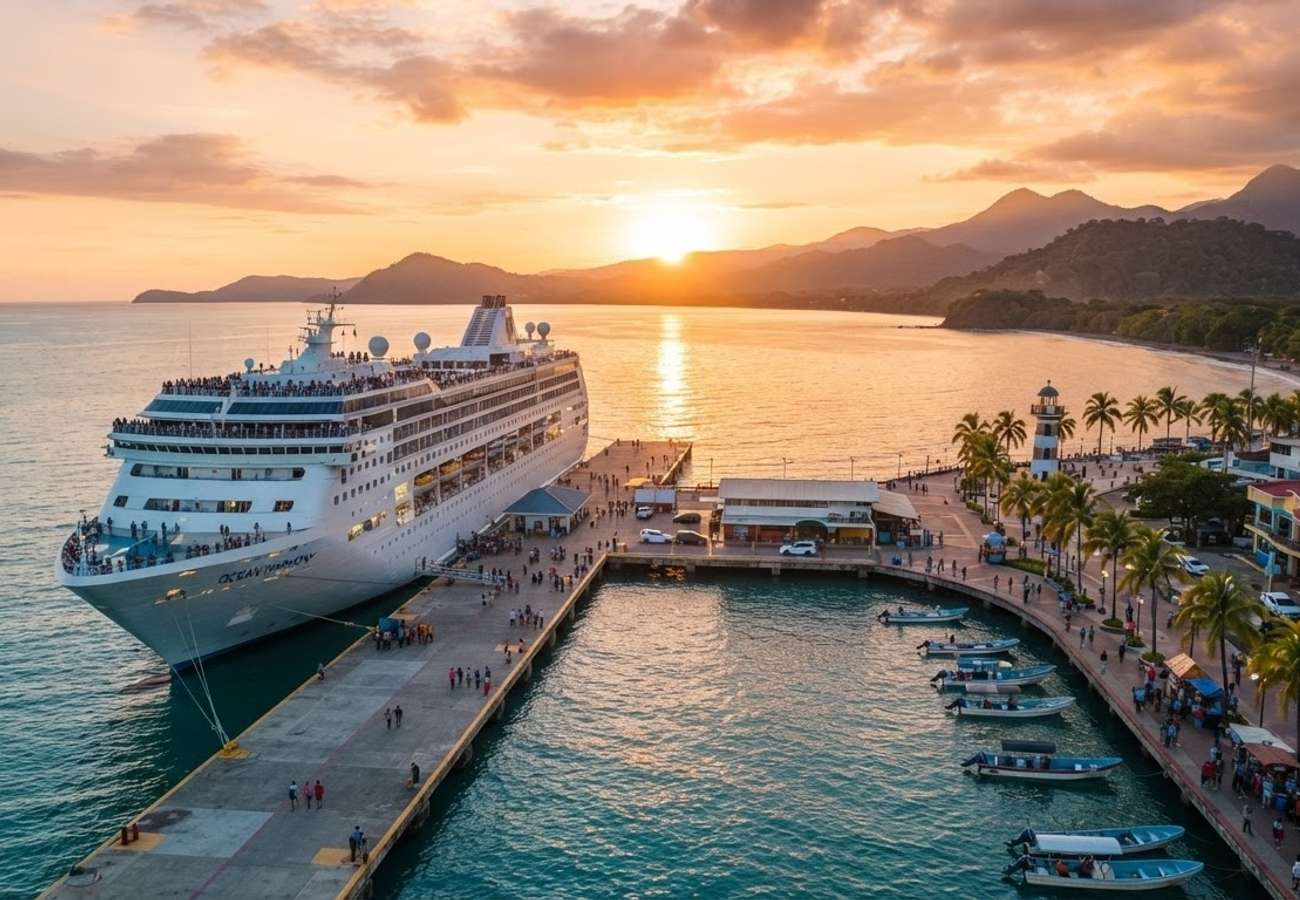
Image generated by AI
The 2026–2027 cruise season is set to be the largest in the history of Puntarenas, Costa Rica, with projected passenger arrivals hitting 150,000. This represents a nearly 67% increase in visitor volume compared to the previous period.
Pacific Port Expansion and Passenger Projections
The Costa Rican Pacific Ports Institute (INCOP) has released data indicating a significant scaling of maritime operations in Puntarenas. For the upcoming 2026–2027 window, the port is scheduled to host 72 cruise ship calls. This is a strategic increase from the previous season, which saw 64 vessels and approximately 90,000 passengers.
The growth trajectory is even more pronounced when viewed over a two-year horizon. During the 2024–2025 season, Puntarenas recorded 63 cruise ship visits and roughly 79,000 passengers. If current projections hold, the volume of passengers arriving via the Pacific terminals will nearly double within 24 months, signaling a robust recovery and expansion of the region's maritime tourism sector.
Comparative Cruise Arrival Statistics (2024–2027)
| Season | Cruise Ship Calls | Estimated Passengers | Growth (Passengers) |
|---|---|---|---|
| 2024–2025 | 63 | 79,000 | Baseline |
| Previous Season | 64 | 90,000 | +13.9% |
| 2026–2027 (Projected) | 72 | 150,000 | +66.7% |
Regional Economic and Infrastructure Impact
The influx of 150,000 passengers creates a concentrated demand spike for local logistics and service providers. The primary beneficiaries include transportation companies, shore excursion operators, and hospitality vendors. Because cruise passengers typically have a limited window of stay, the economic viability of this surge depends on the "spend-per-head" within the local Puntarenas economy.
Local tour operators are pivoting toward high-efficiency excursions that maximize the short port stay. Priority is being given to nature reserves, coffee plantations, and cultural sites. However, a systemic challenge remains: preventing "leakage," where passengers utilize excursions managed by international cruise lines that bypass local vendors and transportation providers.
From an infrastructure perspective, the increased frequency of ship calls (up to 72) will put additional pressure on port docking efficiency and land-side transit. The rise in taxi and private bus demand is expected to be significant, requiring coordinated traffic management to avoid bottlenecks during simultaneous ship disembarkations.
Traveler Logistics Guide: Navigating Puntarenas
From a ground-level perspective, the best way to navigate a Puntarenas port call is to prioritize pre-booked, local-certified transport to avoid the congestion at the terminal gates.
Optimal Connection Strategies:
- Shore Excursions: To avoid the crowds associated with 150,000 seasonal visitors, book "early-bird" tours that depart within the first hour of docking.
- Transit Timing: For those venturing beyond the city to regions like Manuel Antonio or the Nicoya Peninsula, allow at least 3-4 hours for round-trip transit. The roads from the port can become heavily congested during peak arrival windows.
- Digital Documentation: While cruise passengers typically handle immigration via the ship's manifest, those opting for independent land-based extensions should ensure their passports are updated and check current Costa Rican entry requirements via official government portals.
- Currency and Payments: While major credit cards are accepted in the port area, local artisans and small-scale transport providers in the waterfront markets often require Colones or USD in small denominations.
Strategic Transition to Long-Stay Tourism
The Costa Rican tourism board is viewing the 150,000-passenger surge as a "sampling" mechanism. The goal is to convert short-term cruise visits into return trips for extended stays in high-value destinations such as Monteverde and Guanacaste. By improving the first-impression experience at the Puntarenas terminal, the region aims to establish the port as a gateway rather than a final destination.
This strategy focuses on showcasing biodiversity and sustainable practices during the brief port window to incentivize future bookings for rainforest and wildlife reserves.
Puntarenas is now positioned as the primary maritime engine for Costa Rica's Pacific tourism growth.
Related Travel Guides
Disclaimer
This article is for informational and educational purposes only. It does not constitute legal, financial, or professional advice. While we strive to provide accurate and up-to-date information, travel policies, regulations, and conditions change rapidly. Always verify information with official sources before making travel decisions. Nomad Lawyer makes no representations about the accuracy, reliability, completeness, or suitability of the information provided. Readers should consult qualified professionals for advice specific to their circumstances. The views expressed in this article are those of the author and do not necessarily reflect the views of Nomad Lawyer.
Raushan Kumar
Founder & Lead Developer
Full-stack developer with 11+ years of experience and a passionate traveller. Raushan built Nomad Lawyer from the ground up with a vision to create the best travel and law experience on the web.
Learn more about our team →