
Euribia Back Route Confirmed: MSC Ship Resurfaces After Red Sea Transit
MSC Euribia reappears on tracking systems in 2026 after five-day communication blackout following Strait of Hormuz transit. The euribia back route through the Red Sea is now confirmed operational.

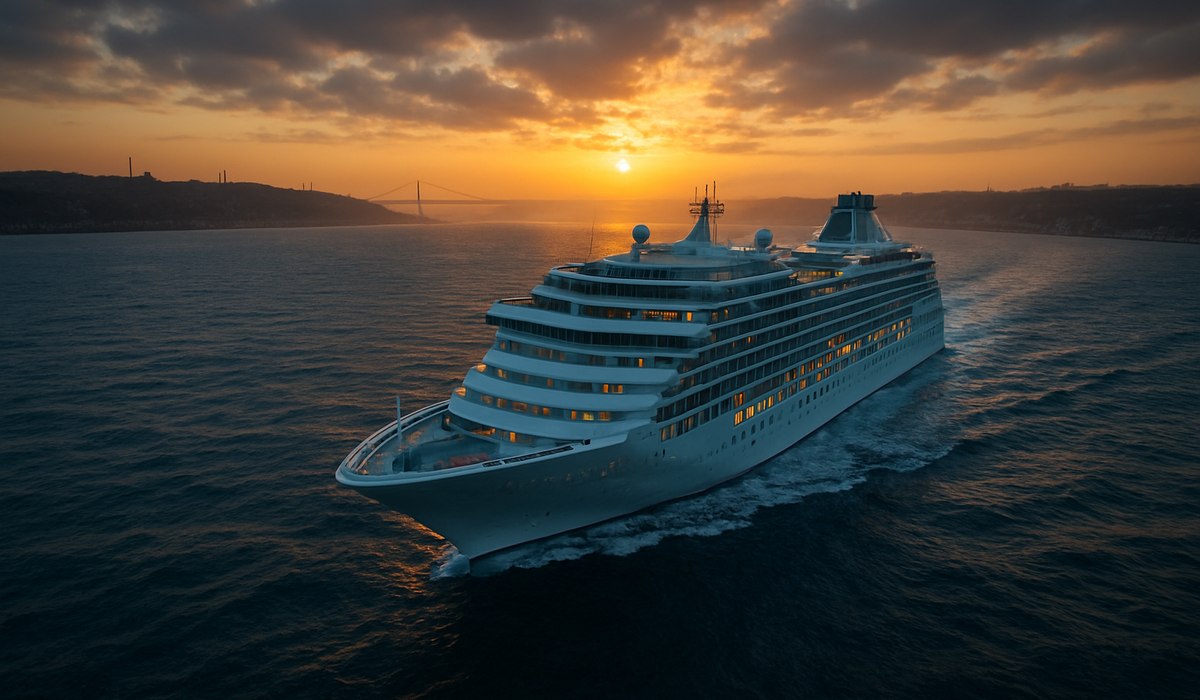
Image generated by AI
MSC Euribia Resurfaces: Red Sea Route Now Active
MSC Euribia has reappeared on maritime tracking systems following a five-day communication blackout that began April 18, 2026. The MSC Cruises vessel successfully navigated the strategically sensitive Strait of Hormuz and continues its journey through the Red Sea. This confirmation marks a significant milestone for cruise operations resuming contested maritime passages after extended disruptions to international shipping routes.
The euribia back route is now verified operational, signaling renewed confidence in cruise itineraries through one of the world's most challenging waterways. Passengers tracking real-time vessel movements reported continuous monitoring gaps starting Saturday and resolved Thursday afternoon, when the ship reappeared on AIS (Automatic Identification System) platforms globally.
Ship Returns to Tracking After Red Sea Transit
The MSC Euribia vanished from public tracking systems immediately after transiting the Strait of Hormuz on April 18. The five-day silence generated considerable speculation within cruise communities and among industry observers monitoring regional security developments. Ships often disable AIS transmissions during high-risk transits as a standard operational security measure adopted by major maritime operators.
The vessel's reappearance Thursday confirmed the euribia back route had cleared the most sensitive checkpoint successfully. Authorities and vessel operators employ communication blackouts to minimize cyber vulnerabilities and operational exposure during transit through congested, monitored maritime zones. The MSC Euribia's return to active tracking demonstrates routine protocols rather than emergency conditions, according to independent maritime analysts monitoring cruise industry operations.
Vessel monitoring communities documented the exact timestamp of signal recovery, allowing enthusiasts and industry professionals to reconstruct the ship's approximate passage timeline through contested waters.
What Happened During the Communication Blackout
MSC Cruises did not publicly acknowledge the tracking gap, which is standard procedure for sensitive maritime operations. The Strait of Hormuz represents a critical chokepoint controlling approximately 20% of global seaborne oil traffic and experiences elevated surveillance from multiple naval forces.
Ships transiting this corridor frequently implement temporary communication restrictions to prevent unauthorized tracking by hostile actors or privateers. The five-day window aligns precisely with expected transit times through the Strait and into the northern Red Sea approaches. No distress signals, incident reports, or official statements emerged from MSC Cruises during the blackout period, indicating routine passage rather than emergency situations.
Industry sources confirm this represents standard operational procedure for cruise vessels navigating high-risk maritime zones. The euribia back route confirmation eliminates previous uncertainty about whether MSC would maintain Red Sea itineraries or divert to alternative routing strategies.
MSC Cruises' Operational Response
MSC Cruises maintains expanded operational capabilities across multiple global cruise networks, with the Euribia representing one of their newest LNG-powered vessels. The company has publicly committed to maintaining Mediterranean and Asia-Pacific itineraries despite regional security challenges affecting international shipping.
The euribia back route confirmation reflects MSC's decision to resume scheduled operations through contested waters rather than implement permanent routing changes. This operational stance aligns with decisions by other major cruise operators including Royal Caribbean and Carnival Corporation, which have gradually reintroduced Red Sea itineraries as security assessments improve.
MSC's investment in state-of-the-art communication systems and security protocols enabled safe passage through the Strait of Hormuz. The shipping company emphasizes that passenger safety remains paramount, with advanced navigation technology and experienced command teams managing complex maritime environments.
For passengers seeking detailed information about current operations, visit the official MSC Cruises website for real-time itinerary updates and booking confirmations.
Cruise Itinerary at a Glance
| Itinerary Element | Details |
|---|---|
| Ship Name | MSC Euribia |
| Cruise Line | MSC Cruises |
| Route Focus | Mediterranean to Asia-Pacific (Red Sea passage) |
| Recent Transit | Strait of Hormuz (April 18, 2026) |
| Tracking Status | Confirmed operational (as of April 24, 2026) |
| Vessel Class | Meraviglia-Plus Class |
| Notable Feature | LNG-powered propulsion system |
Implications for Cruise Routes in the Region
The euribia back route confirmation provides crucial clarity for cruise operators planning Red Sea and Middle Eastern itineraries throughout 2026 and beyond. Passenger demand remains strong for these routes despite historical security concerns, making operational confirmation essential for booking confidence.
This development suggests MSC Cruises' risk assessment supports maintaining Red Sea passages rather than implementing permanent diversions. Other cruise operators monitor such operational decisions closely, as they influence broader industry strategies for regional expansion.
The Euribia's successful passage validates security protocols and demonstrates that modern cruise vessels can safely navigate contested maritime zones with appropriate planning and technology. This confirmation likely encourages additional cruise operators to resume or expand Red Sea offerings during peak seasons.
For comprehensive cruise comparisons and passenger reviews, Cruise Critic provides detailed itinerary information and independent traveler feedback about current cruise operations.
What This Means for Travelers
The MSC Euribia's confirmed operational status and successful euribia back route navigation provide several important implications for cruise passengers:
-
Booking Confidence: Travelers can trust itineraries featuring Red Sea passages with increased assurance regarding vessel movement and schedule reliability.
-
Route Availability: Expect expanded cruise options through the Mediterranean-Red Sea-Asia corridor as operators gain confidence in passage security.
-
Real-Time Tracking: Passengers can monitor vessel movements through established AIS tracking systems, though temporary communication gaps during sensitive transits remain routine protocol.
-
Security Measures: Modern cruise ships employ advanced navigation and communication systems that prioritize passenger safety while transiting challenging maritime environments.
-
Future Itineraries: MSC Cruises' decision to maintain the euribia back route signals likely expansion of Red Sea cruise offerings throughout 2026 and beyond.
-
Regional Development: Confirmed cruise operations encourage regional port development and shore excursion offerings in Middle Eastern destinations.
Frequently Asked Questions
What is the euribia back route?
The euribia back route refers to the MSC Euribia's scheduled itinerary through the Strait of Hormuz and Red Sea. This passage connects Mediterranean homeports to Asian destinations, representing a strategic shipping corridor for MSC Cruises' global operations.
Why did the MSC Euribia disappear from tracking?
Ships routinely disable AIS tracking systems during transits through high-risk maritime zones as standard security protocol. This prevents unauthorized vessel monitoring and reduces cyber vulnerabilities during sensitive passages through monitored international waters.
Is the Red Sea safe for cruise ships in 2026?
Major cruise operators including MSC Cruises have resumed Red Sea operations, indicating that security assessments support passenger travel through these corridors. Advanced navigation technology and experienced crew management minimize risks associated with regional maritime challenges.
How long does the Strait of Hormuz transit take?
The Strait of Hormuz passage typically requires 24-36 hours depending on vessel speed, traffic congestion, and operational security protocols. The MSC Euribia's five-day communication gap aligned with expected transit times through the Strait and into Red Sea approaches.
Related Travel Guides
Disclaimer
This article is for informational and educational purposes only. It does not constitute legal, financial, or professional advice. While we strive to provide accurate and up-to-date information, travel policies, regulations, and conditions change rapidly. Always verify information with official sources before making travel decisions. Nomad Lawyer makes no representations about the accuracy, reliability, completeness, or suitability of the information provided. Readers should consult qualified professionals for advice specific to their circumstances. The views expressed in this article are those of the author and do not necessarily reflect the views of Nomad Lawyer.
Kunal K Choudhary
Co-Founder & Contributor
A passionate traveller and tech enthusiast. Kunal contributes to the vision and growth of Nomad Lawyer, bringing fresh perspectives and driving the community forward.
Learn more about our team →