
Puerto Rico and Florida Caribbean Gateways Report Significant Tourism Decline in 2026
San Juan, Fort Lauderdale, Port Everglades, and Tampa are seeing a sharp drop in Caribbean-linked visitors in 2026, driven by rising costs and shifting traveler preferences.

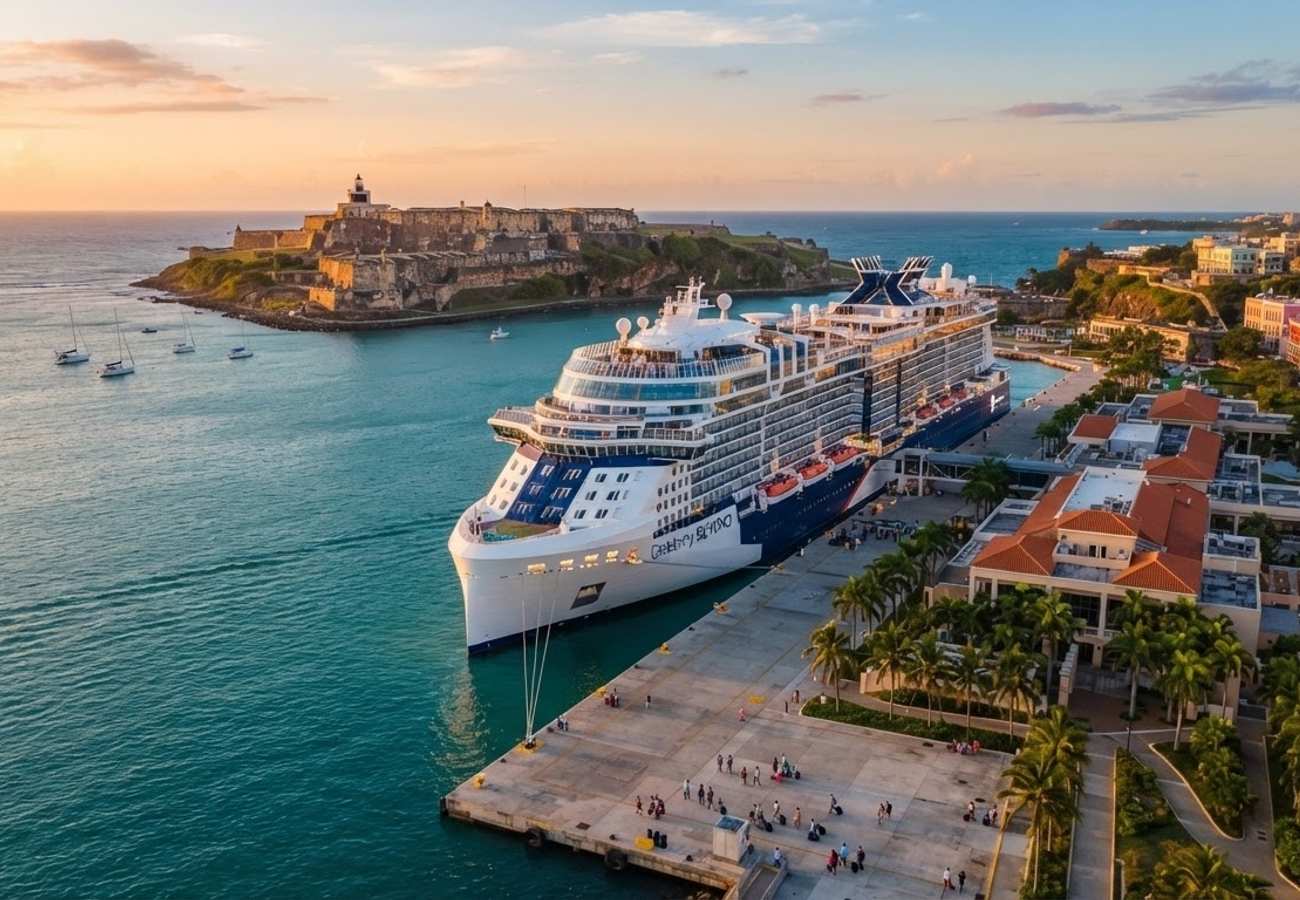
Image generated by AI
Caribbean-linked gateways in Puerto Rico and Florida are experiencing a synchronized downturn in visitor arrivals for 2026, as rising travel costs and regional competition erode demand for traditional close-to-home destinations.
The tourism sector across key North American and Caribbean hubs is facing a challenging period. Data from January to May 2026 reveals a consistent decline in arrivals across San Juan, Fort Lauderdale, Port Everglades, and Tampa. This trend suggests a broader shift in consumer behavior, where travelers are prioritizing value and unique experiences over geographic convenience.
San Juan: Pressure on Puerto Rican Arrivals
San Juan has seen a 6.6% decrease in visitors during the first five months of 2026. Arrivals dropped from 21,690 to 20,268. Our analysis of the current trajectory indicates that San Juan will likely record approximately 32,000 visitors between January and August 2026. This is a projected decline of roughly 6.4% compared to the 34,200 visitors recorded during the same period previously.
Despite its proximity to North American markets and strong cruise connectivity, Puerto Rico is struggling against higher travel costs and aggressive competition from neighboring Caribbean islands.
Florida Gateway Performance
Florida's primary Caribbean connection points are mirroring the losses seen in Puerto Rico, though the severity varies by location.
- Fort Lauderdale: Recorded an 8.3% decline from January to May 2026, with visitors falling from 86,659 to 79,499. Projections for the January–August window suggest approximately 127,000 visitors, down from an estimated 138,500.
- Tampa: Currently facing the steepest decline among all monitored gateways. Arrivals fell 9.5% between January and May, dropping from 3,439 to 3,111. Estimated arrivals for January to August are 4,900, compared to 5,400 in the previous period.
- Port Everglades: Showing more resilience but still trending downward. Visitors fell 4.8% from 3,979 to 3,789 between January and May. The port is expected to reach approximately 6,000 visitors by August 2026, down from 6,300.
Comparative Tourism Data: Caribbean-Linked Gateways (2026)
| Gateway | Location | Jan–May 2026 Visitors | Jan–May Previous Visitors | Jan–May YOY Change | Est. Jan–Aug 2026 Visitors | Est. Jan–Aug Previous Visitors | Projected Decline |
|---|---|---|---|---|---|---|---|
| San Juan | Puerto Rico | 20,268 | 21,690 | -6.6% | ~32,000 | ~34,200 | ~ -6.4% |
| Fort Lauderdale | Florida, USA | 79,499 | 86,659 | -8.3% | ~127,000 | ~138,500 | ~ -8.3% |
| Port Everglades | Florida, USA | 3,789 | 3,979 | -4.8% | ~6,000 | ~6,300 | ~ -4.8% |
| Tampa | Florida, USA | 3,111 | 3,439 | -9.5% | ~4,900 | ~5,400 | ~ -9.5% |
Why This Matters: Industry Implications
From a logistical and market perspective, these figures indicate that "proximity" is no longer a sufficient competitive advantage. For years, San Juan and Florida's coast served as the default gateways for Caribbean travel. However, the 2026 data suggests a "value-migration" is occurring.
For travelers on these routes, the real impact is a shift toward destinations that offer better price-to-experience ratios. When Tampa sees a nearly 10% drop, it signals that cruise passengers are either choosing different departure ports or opting for entirely different regions to avoid the rising costs associated with these hubs.
From an industry standpoint, this means cruise lines and airport authorities must pivot. The reliance on legacy connectivity is failing. To reverse this, gateways will need to implement more aggressive value-based marketing and expand their "on-shore" experiences to justify the cost of travel.
Forward Outlook
The outlook through August 2026 remains negative. Recovery for these hubs will not happen organically; it will require a strategic overhaul of how these destinations are positioned. We expect to see:
- Aggressive Pricing: A move toward more competitive cruise and flight packages to lure back budget-conscious travelers.
- Route Diversification: Port Everglades and Tampa will likely seek new, non-traditional cruise routes to offset the loss in standard Caribbean demand.
- Experience-Driven Tourism: San Juan will likely shift focus from "beach and sun" to higher-value cultural and historic packages to differentiate itself from cheaper regional competitors.
The era of the "convenience-based" Caribbean gateway is ending, replaced by a market driven by strict value comparison.
Related Travel Guides
Disclaimer
This article is for informational and educational purposes only. It does not constitute legal, financial, or professional advice. While we strive to provide accurate and up-to-date information, travel policies, regulations, and conditions change rapidly. Always verify information with official sources before making travel decisions. Nomad Lawyer makes no representations about the accuracy, reliability, completeness, or suitability of the information provided. Readers should consult qualified professionals for advice specific to their circumstances. The views expressed in this article are those of the author and do not necessarily reflect the views of Nomad Lawyer.
Kunal K Choudhary
Co-Founder & Contributor
A passionate traveller and tech enthusiast. Kunal contributes to the vision and growth of Nomad Lawyer, bringing fresh perspectives and driving the community forward.
Learn more about our team →