
Première Vision Paris 2026 to Showcase AI and Sustainable Materials at Paris Nord Villepinte
Première Vision Paris 2026 integrates artificial intelligence and sustainable material matrices to redefine global fashion sourcing from September 1-3, 2026.

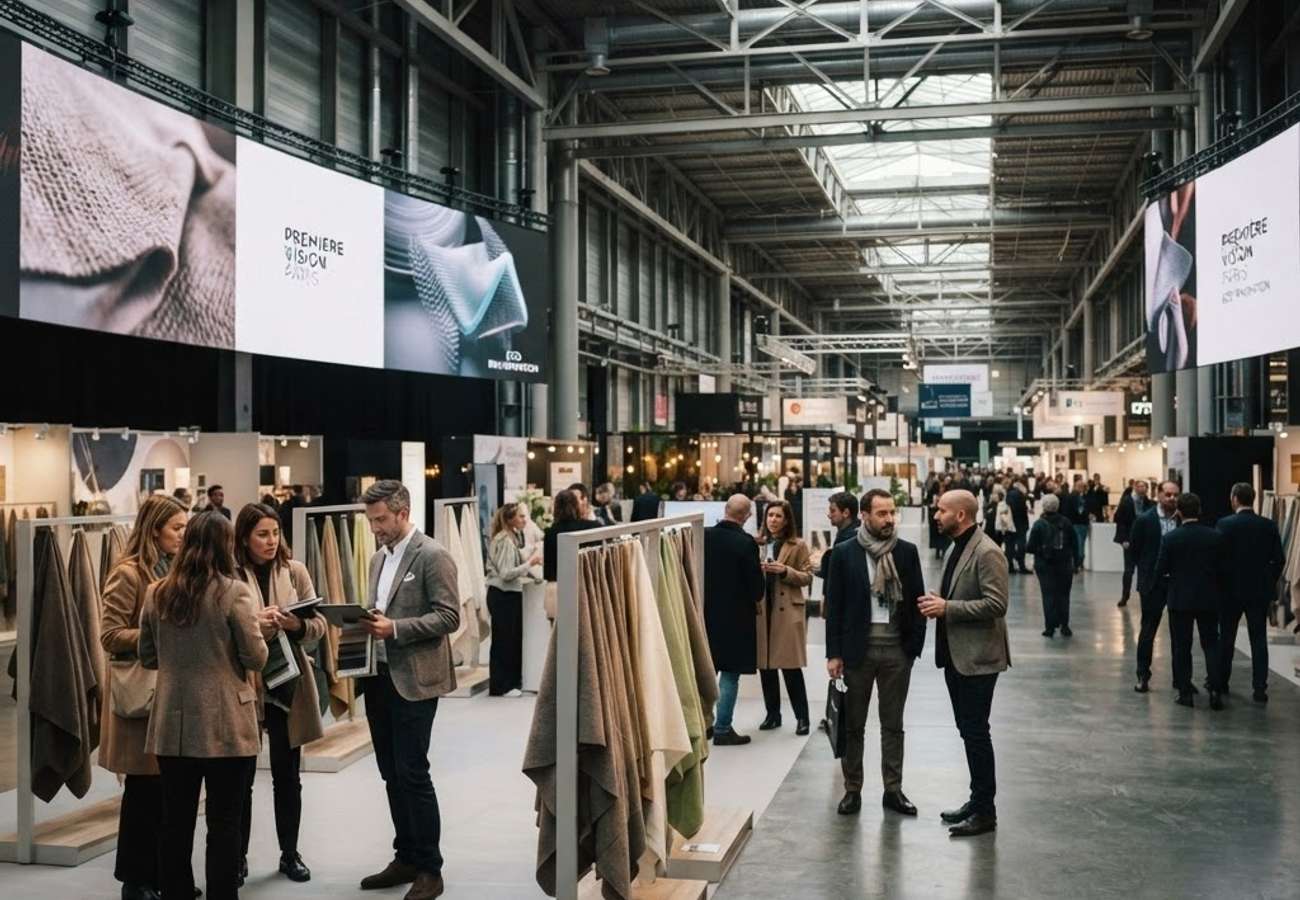
Image generated by AI
Approximately 20,000 fashion industry professionals from 130 different nations are descending upon Paris from September 1 to 3, 2026, for Première Vision Paris. This global summit aims to pivot the industry toward a future defined by artificial intelligence, eco-innovation, and transparent material sourcing for the Autumn–Winter 2027–28 season.
The fashion ecosystem is currently undergoing a systemic shift where digital transformation and environmental accountability are no longer optional. Première Vision Paris 2026 serves as the primary catalyst for this transition, moving theoretical concepts of "green fashion" and "smart design" into scalable, commercial realities. By consolidating the supply chain—from raw fiber producers to high-end designers—the event provides a centralized hub for the procurement of next-generation materials.
Global Sourcing Hub at Paris Nord Villepinte
The event is headquartered at the Paris Nord Villepinte Exhibition Centre, specifically occupying Halls 1, 2, and 3. Given its proximity to Paris Charles de Gaulle Airport and its integration with the RER B railway network, the venue is strategically positioned to handle the massive influx of international delegates.
The scale of the 2026 edition is significant, featuring over 900 exhibitors. These participants are distributed across eight specialized sectors:
- Fabrics
- Yarns and Fibres
- Leather
- Accessories
- Manufacturing
- Smart Creation
- Fashion Technology
Unlike consumer-facing fashion weeks, this gathering focuses on the "pre-creation" phase. Sourcing managers, buyers, and creative directors utilize this window to lock in production partnerships and material selections months before a collection ever hits a retail floor. To streamline this complex logistical process, organizers have implemented a dedicated mobile application, business matchmaking services, and guided tours.
Integration of Artificial Intelligence and Digital Design
The overarching theme for 2026 is "Innovation & Technology." The industry is moving away from traditional sketching and sampling toward AI-driven generative design and automated manufacturing. These tools are being presented not as replacements for creativity, but as mechanisms to drastically reduce textile waste and optimize production timelines.
The technological programming is extensive, designed to provide actionable insights rather than vague projections. The schedule includes:
- 35 expert-led talks
- 28 startup and innovation pitches
- Presentations from over 90 industry specialists
These sessions focus on how automation and digital design systems can create more personalized consumer products while simultaneously lowering the carbon footprint of the manufacturing process.
The Fibers & Materials Matrix and Environmental Transparency
One of the most critical legal and logistical launches at the event is the Fibers & Materials Matrix. Developed in collaboration with Paris Good Fashion, this tool is designed to combat "greenwashing" by providing a standardized, data-driven framework for evaluating textile sustainability.
Launching on September 1, 2026, the matrix provides a rigorous analysis of 60 different materials categorized into 12 distinct families. Each material is scrutinized across 12 different criteria, divided into four primary chapters. This level of granularity allows brands to make sourcing decisions based on empirical data regarding traceability and environmental impact rather than marketing claims.
Expanding the Ecosystem via Cosmetic Village
In a strategic move to reflect the convergence of luxury lifestyle brands, Première Vision Paris 2026 is introducing the "Cosmetic Village." Developed alongside Cosmetic Valley, this section bridges the gap between textile sourcing and the beauty industry.
This initiative recognizes that modern fashion houses are increasingly evolving into full-scale lifestyle entities. By integrating fragrance specialists, skincare laboratories, and cosmetic manufacturers, the event enables fashion brands to explore sensory branding and product extensions. This cross-pollination allows for a more holistic approach to brand identity, where the scent and aesthetic of a brand are developed in tandem with its fabric choices.
High Couture Meets Speculative Technology
The 2026 event also highlights the tension and synergy between traditional craftsmanship and futuristic tech through special guests Victor Clavelly and Alexis Mabille.
Victor Clavelly represents the vanguard of speculative design, utilizing 3D printing and experimental structures to push the boundaries of what a garment can be. Conversely, Alexis Mabille provides a bridge from the world of haute couture, exploring how the meticulous hand-craftsmanship of French fashion can coexist with the efficiency of artificial intelligence. Together, they demonstrate that the future of fashion is not a choice between the human hand and the machine, but a hybrid of both.
Why This Matters: The Shift Toward Data-Driven Fashion
For the professional designer or brand owner, the shift showcased at Première Vision Paris 2026 represents a move toward "precision fashion." The introduction of the Fibers & Materials Matrix, for example, means that sustainability is moving from a marketing slogan to a compliance requirement. From a logistical standpoint, the ability to verify a material's impact across 12 different criteria reduces the legal risk associated with environmental claims.
For the end consumer, this evolution translates to higher quality, more durable clothing and a genuine reduction in the industry's waste. When AI is used to optimize patterns and sustainable materials are vetted through a rigorous matrix, the result is a supply chain that is leaner, cleaner, and more responsive to actual demand rather than speculative trends.
The intersection of AI and eco-textiles in Paris marks the beginning of an era where data is as important as design.
Related Travel Guides
Disclaimer
This article is for informational and educational purposes only. It does not constitute legal, financial, or professional advice. While we strive to provide accurate and up-to-date information, travel policies, regulations, and conditions change rapidly. Always verify information with official sources before making travel decisions. Nomad Lawyer makes no representations about the accuracy, reliability, completeness, or suitability of the information provided. Readers should consult qualified professionals for advice specific to their circumstances. The views expressed in this article are those of the author and do not necessarily reflect the views of Nomad Lawyer.
Raushan Kumar
Founder & Lead Developer
Full-stack developer with 11+ years of experience and a passionate traveller. Raushan built Nomad Lawyer from the ground up with a vision to create the best travel and law experience on the web.
Learn more about our team →