
The Iberian Atlantic Wave: Inside Portugal’s Record-Breaking Summer Aviation Boom and Travel Guide
Portugal shatters all-time summer air travel records in 2026 amid a historic European aviation surge, balancing unprecedented passenger traffic across Lisbon, Porto, and the Atlantic islands with cultural heritage preservation.

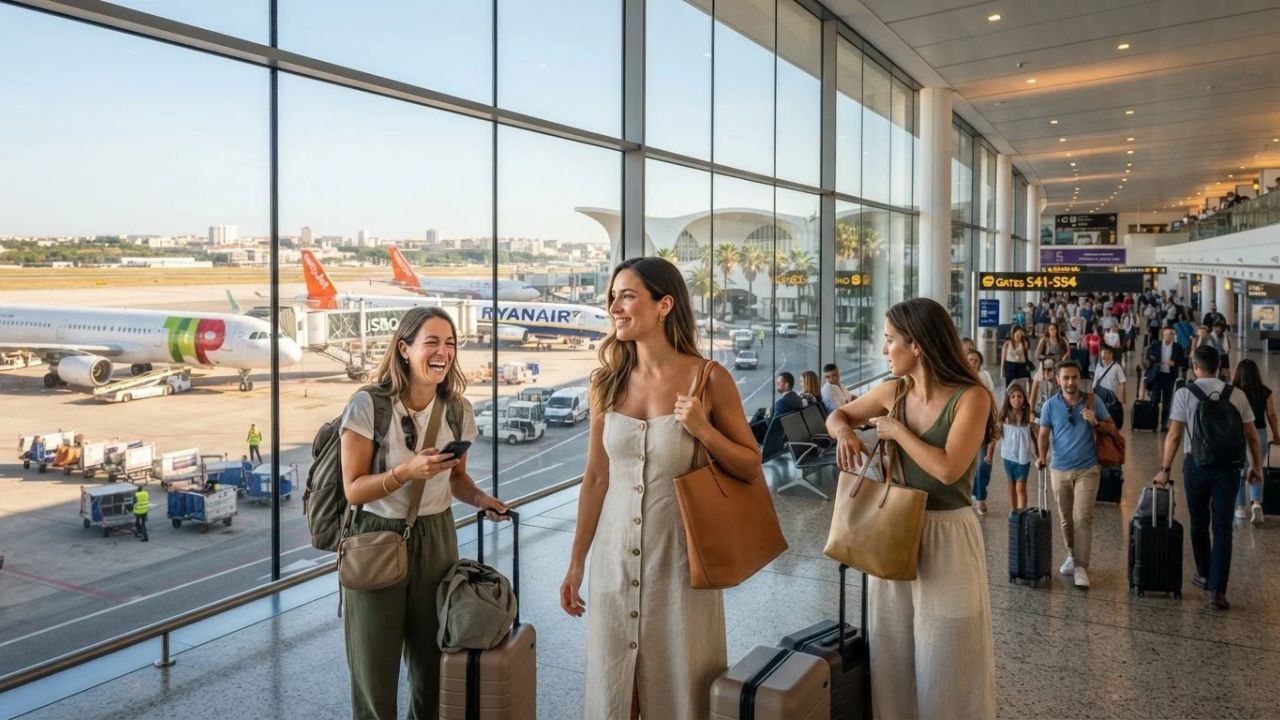
Portugal celebrates its busiest summer air travel season on record as global connectivity expands across mainland and island gateways
While Europe’s commercial aviation network logged an unprecedented 35,959 flights per day during the summer of 2026, breaking continental traffic records sixty-six distinct times, Portugal emerged as the continent's fastest-growing destination, shattering its own all-time summer air travel records between June and August. Seasonal data released by EUROCONTROL confirmed that European air traffic reached historic highs, with the continental network's single busiest day recorded on 10 July 2026, when 37,640 flights operated across the skies in twenty-four hours. Within this broader 2.4 percent continental flight increase compared to summer 2025, Portugal stood at the forefront of the leisure travel surge. International visitors flocked in unprecedented numbers to Lisbon, Porto, Praia da Rocha in the Algarve, Madeira, and the Azores, filling airline cabins while Portuguese airports and European air navigation managers sustained an arrival punctuality rate of 72.6 percent alongside reduced flow delays.
The record-breaking summer highlights Portugal's transformed role within global travel. Once considered a quiet corner of Western Iberia, the country has become a primary transcontinental portal connecting Europe with North America and South America. Airlines have expanded long-haul and regional frequencies, allowing travelers to reach sunny coastal cliffs, terraced river valleys, and volcanic island outposts year-round. However, this historic surge has also tested the limits of national aviation infrastructure, prompting airport authorities and municipal leaders to balance passenger throughput with the preservation of local community life.
Record Runways and Atlantic Gateways: Inside Portugal’s 2026 Aviation Milestone
Portugal's aviation triumph was orchestrated across a synchronized network of specialized regional gateways. Lisbon Airport (Humberto Delgado) remains the nation's primary international turnstile, handling the lion's share of long-haul arrivals from the United States, Canada, and Brazil, while functioning as a critical connecting nexus for European carriers. To the north, Francisco Sá Carneiro Airport in Porto expanded its point-to-point European routes, channeling cultural travelers directly into the Douro wine region and historic northern provinces.
In the south, Faro Airport (Gago Coutinho) accommodated millions of sun-seeking holidaymakers heading toward the limestone sea caves and golden beaches of the Algarve, including the lively resort shores of Praia da Rocha in Portimão. Meanwhile, the Atlantic archipelagos experienced unprecedented air traffic. Madeira's Cristiano Ronaldo International Airport and the Azores' João Paulo II Airport in Ponta Delgada welcomed record arrivals, providing essential air corridors for travelers seeking pristine nature reserves and outdoor adventures.
Managing this extraordinary volume required intense coordination from national airport operator ANA Aeroportos de Portugal. Ground teams implemented expedited baggage-handling protocols, modernized automated security lanes, and adjusted gate allocations to prevent terminal bottlenecks during morning and evening departure peaks. As passenger counts continue to climb, government planners and civil aviation regulators are advancing investments in terminal capacity and modernized air navigation systems to sustain high service standards.
What Makes Portugal the Soul of the Iberian Atlantic
Beyond the flight statistics and arrival records lies the sensory allure that makes Portugal so profoundly appealing. It is a nation defined by Atlantic light, melancholic maritime poetry, and an easygoing hospitality that makes travelers feel immediately at ease.
In Lisbon, the city unfurls across seven sunlit hills overlooking the Tagus River estuary. Faded pastel facades adorned with hand-painted ceramic tiles (azulejos) line medieval alleys in Alfama and Mouraria. At twilight, the sorrowful chords of the twelve-string Portuguese guitar and the mournful vibrato of Fado drift from neighborhood taverns. Historic yellow trams rattle along impossibly steep cobblestone grades, climbing toward scenic miradouros that offer panoramic vistas over terracotta rooftops and river waters.
Three hundred kilometers north, Porto presents an imposing, romantic presence along the granite gorge of the Douro River. Inscribed by the UNESCO World Heritage Centre under the Historic Centre of Porto, Luiz I Bridge and Monastery of Serra do Pilar, the city captivates visitors with dramatic iron bridges, soaring baroque bell towers, and centuries-old port wine cellars lining the waterfront of Vila Nova de Gaia.
Further outward, Portugal’s islands offer breathtaking ecological contrasts. Madeira rises from the Atlantic as a lush botanical wonderland, where hikers follow historic irrigation canals (levadas) through misty laurel forests and terraced mountain vineyards. In the remote Azores archipelago, emerald volcanic calderas, steaming geothermal fumaroles, and azure crater lakes like Sete Cidades create an untamed paradise for marine biologists and mindful adventurers.
Visitor Insider Tips
Experiencing Portugal with the intimacy of a local resident means stepping off the congested tourist tracks and embracing the authentic rhythms of the country:
- Rethinking Lisbon’s Tram 28: The famous yellow Tram 28 is notoriously plagued by hour-long lines and pickpockets during peak midday hours. Instead, board before 08:00 at Martim Moniz to enjoy the wooden interior in peace, or take historic Tram 12, which covers a picturesque loop through Mouraria and Alfama with a fraction of the crowds. Even better, wander the winding stone stairways of Castelo and Graça entirely on foot.
- The Pastel de Nata Ritual: Skip the crowded tourist queues outside pastry shops in Belém. Instead, seek out neighborhood pastelarias in Lisbon’s Campo de Ourique or Principe Real neighborhoods, such as Manteigaria or Pastelaria Aloma. Order your pastry warm from the oven, dust it lightly with powdered cinnamon, and pair it with a strong bica (espresso).
- Porto Wine Cellar Exploration: Avoid the massive commercial tasting lodges along the immediate Gaia riverfront. Walk uphill into the cobblestone backstreets of Vila Nova de Gaia to visit historic, family-owned lodges like Ramos Pinto or Churchill's. For a deeper experience, board the historic Linha do Douro train from Porto’s São Bento Station and ride upriver to Pinhão, where vineyards tumble directly down steep slate hillsides to the water's edge.
- Escaping Algarve Resort Congestion: Rather than confining your holiday to crowded beach strips like Praia da Rocha during July and August, rent a car and drive west to the Costa Vicentina Natural Park. Here, wild Atlantic surf crashes against towering dark shale headlands, and sleepy fishing villages like Carrapateira and Odeceixe offer empty sandy coves and rustic seafood shacks serving barnacles (percebes) and grilled sea bream.
- Discovering Regional Culture: Plan your journey to coincide with regional harvest festivals and traditional saint celebrations by consulting official guides at Visit Portugal.
Cultural and Environmental Context
Portugal’s historic tourism boom has triggered important national conversations regarding urban sustainability and community wellbeing. In historic quarters like Lisbon’s Alfama and Porto’s Ribeira, the rapid conversion of residential apartments into short-term tourist rentals prompted municipal leaders to implement zoning caps to safeguard multi-generational residents and protect neighborhood grocers (mercearias). Cultural heritage teams emphasize that preserving living community life is essential to maintaining the authentic identity that attracted international travelers in the first place.
Environmental protection is equally vital along Portugal’s fragile coastlines. The Algarve’s Ria Formosa Natural Park—a maze of barrier islands, tidal marshes, and channels—is protected by strict navigation speed limits and environmental zoning to shield delicate seagrass beds and native seahorse populations from excessive boat traffic. Coastal authorities have constructed elevated wooden walkways along dramatic sea cliffs to prevent footpath erosion and safeguard delicate clifftop flora.
In the Atlantic islands, the Azores have emerged as a global benchmark for sustainable tourism. The regional government enforces strict caps on rental vehicle fleets, regulates geothermal bathing numbers, and mandates that hiking tours respect designated ecological corridors. By celebrating eco-certified accommodations and encouraging travelers to support local farmers and fishermen, Portugal ensures that its aviation success enriches the land rather than depleting it.
FAQ: Traveling to Portugal in 2026
What drove Portugal’s record-breaking summer air travel in 2026?
Expanded international flight routes, strong European consumer demand, and growing interest across diverse regions including Porto, the Algarve, Madeira, and the Azores drove record passenger volume.
How do travelers reach downtown Lisbon from Humberto Delgado Airport?
The Lisbon Metro Red Line departs directly from Terminal 1, connecting passengers to central stations like Saldanha and São Sebastião in approximately twenty minutes for under two euros.
When is the best time to visit Portugal to avoid peak crowds?
Spring (April to May) and early autumn (September to October) offer warm temperatures, clear skies, grape harvest festivities, and significantly fewer crowds than peak midsummer.
Is public transportation reliable between major Portuguese cities?
Yes, Comboios de Portugal (CP) operates efficient Alfa Pendular high-speed trains linking Lisbon, Porto, Coimbra, and Faro quickly and comfortably along the main north-south axis.
From the sun-warmed cobblestones of Alfama to the volcanic cliffs of the Atlantic islands, Portugal proves that its true magic endures long after the summer crowds take flight.
Related Travel Guides
- From the Rockies to Mount Royal: How American Express and Aspire Reshape Canadian Airport Hospitality
- The Frictionless Gateway: How Tampa International Airport’s JD Power Victory Elevates Gulf Coast Travel
- The Borneo Corridor at Stake: How Malaysia’s Airline Restructuring Shapes Domestic Travel in 2026
Disclaimer
This article is for informational and educational purposes only. It does not constitute legal, financial, or professional advice. While we strive to provide accurate and up-to-date information, travel policies, regulations, and conditions change rapidly. Always verify information with official sources before making travel decisions. Nomad Lawyer makes no representations about the accuracy, reliability, completeness, or suitability of the information provided. Readers should consult qualified professionals for advice specific to their circumstances. The views expressed in this article are those of the author and do not necessarily reflect the views of Nomad Lawyer.
Raushan Kumar
Founder & Lead Developer
Full-stack developer with 11+ years of experience and a passionate traveller. Raushan built Nomad Lawyer from the ground up with a vision to create the best travel and law experience on the web.
Learn more about our team →