
Cancun Without Overspending: A Practical Guide for US Travelers
Discover how to plan a trip from the US to Cancun on a budget with expert tips on cheap flights, accommodations, timing, and free activities worth experiencing.

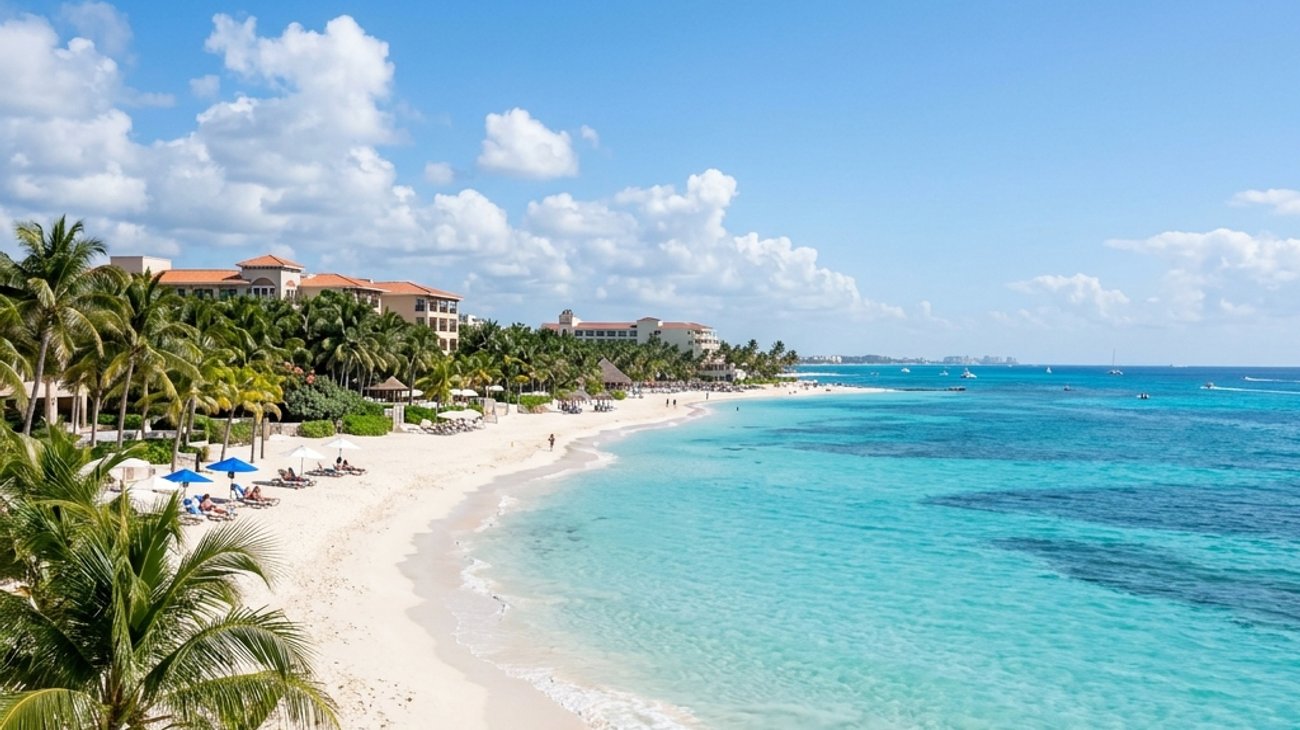
Image generated by AI
Planning a trip from the US to Cancun on a budget is possible without reducing the experience to the cheapest available options. The destination combines public beaches, regional food, archaeological sites, and convenient connections with several US cities, allowing travelers to adjust the trip according to their priorities.
Before searching for cheap flights to Cancun, decide whether the trip will focus on beach time, cultural excursions, or a combination of both. This choice determines where to stay, how much transportation will be necessary, and which activities should be reserved ahead of departure.
Why Cancun Remains Highly Accessible for US Travelers
Cancun is a familiar international destination for travelers departing from the United States because it has a major international airport, an established tourism network, and accommodations across a wide range of categories. Its location also makes it practical for shorter vacations, although spending at least four or five days allows time for the beach and one or two excursions.
Accessibility does not mean every part of the trip is inexpensive. Restaurants overlooking the Caribbean, private transportation, organized tours, and beachfront accommodations can increase costs quickly. The advantage is that travelers can choose where to spend and where to simplify.
A carefully planned budget itinerary might combine:
- A downtown hotel with visits to public beaches.
- Local restaurants and markets instead of eating exclusively in tourist corridors.
- One guided excursion alongside independent outings.
- Public transportation for routine trips and prearranged transfers when timing matters.
Hotel Zone vs Downtown Cancun: Where to Stay on a Budget
Where travelers stay has a major effect on both the atmosphere and the overall budget. The Hotel Zone and downtown Cancun offer completely different experiences, so the best choice depends on convenience, access to the beach, and preferred dining options.
Staying in the Hotel Zone
The Hotel Zone stretches along a narrow strip between the Caribbean Sea and Nichupté Lagoon. It contains resorts, restaurants, nightlife, shopping centers, and several public beach access points.
Its main advantage is proximity to the water. Travelers who want to spend most of the trip swimming or relaxing on the sand may find the location convenient. However, dining and accommodations in this area often reflect its tourism-oriented setting, and walking distances between venues can be longer than they appear.
Staying in Downtown Cancun
Downtown offers business hotels, guesthouses, apartments, neighborhood restaurants, markets, and public spaces such as Parque de las Palapas. It provides a clearer look at everyday life beyond the resort corridor.
Travelers organizing a Cancun trip on a budget may find downtown useful because it offers more opportunities to compare lodging and dining options. Public buses connect central areas with the Hotel Zone continuously, although travel times depend on traffic and the location of the accommodation.
A split stay can also work well: several nights downtown for excursions and local dining, followed by a shorter stay near the beach.
Public Beaches, Cenotes, Isla Mujeres, and Maya Sites
Cancun can serve as both a beach destination and a base for exploring the northern Yucatan Peninsula. The key is to avoid scheduling a long excursion every day, since transportation can take up a significant part of the itinerary.
Top Public Beaches in Cancun
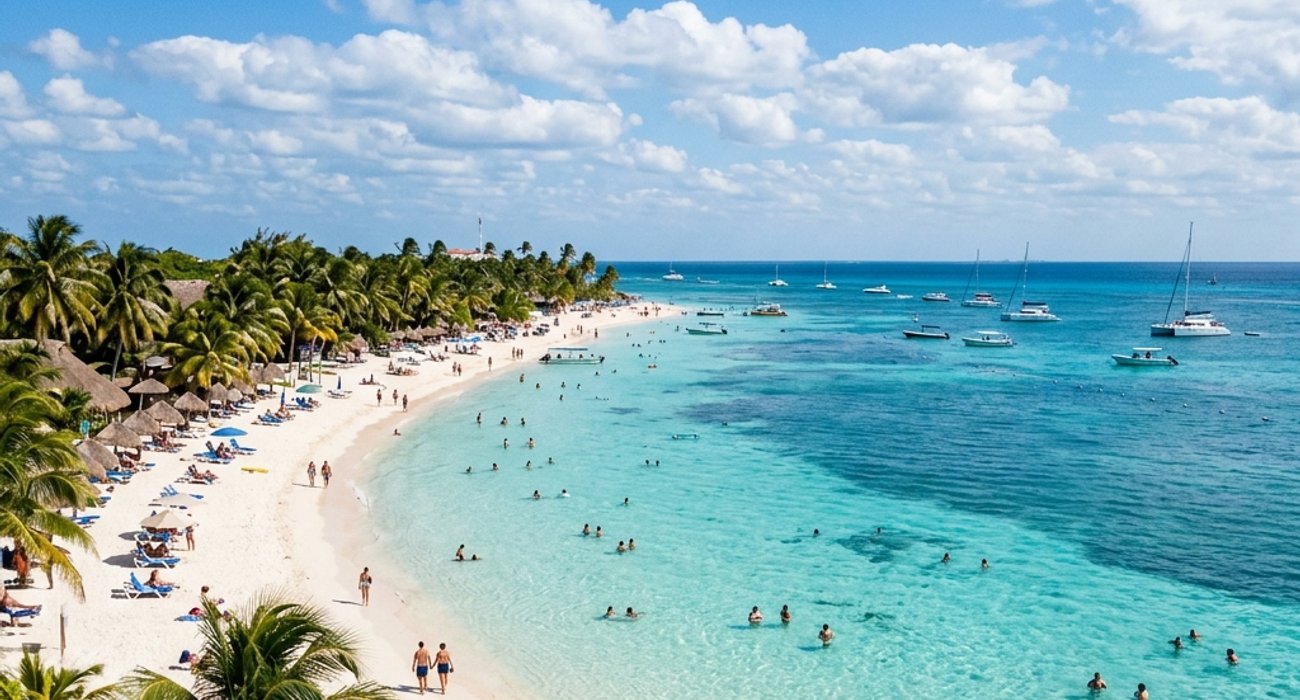
Mexico’s coastline is public, but access points, facilities, wave conditions, and available shade vary. Before leaving the hotel, confirm how to reach the beach and whether restrooms, food vendors, or chair rentals are available.
Popular public beach options include:
- Playa Delfines: Known for its broad shoreline, scenic lookout point, and open views.
- Playa Langosta: Often chosen for calmer waters and a compact, family-friendly setting.
- Playa Tortugas: Located near restaurants, transportation, and ferry services.
- Playa Chac Mool: A central option in the Hotel Zone with stronger surf at times.
Beach conditions can change daily. Follow posted flags and local lifeguard instructions, especially when undercurrents are strong.
Freshwater Cenotes Near Cancun
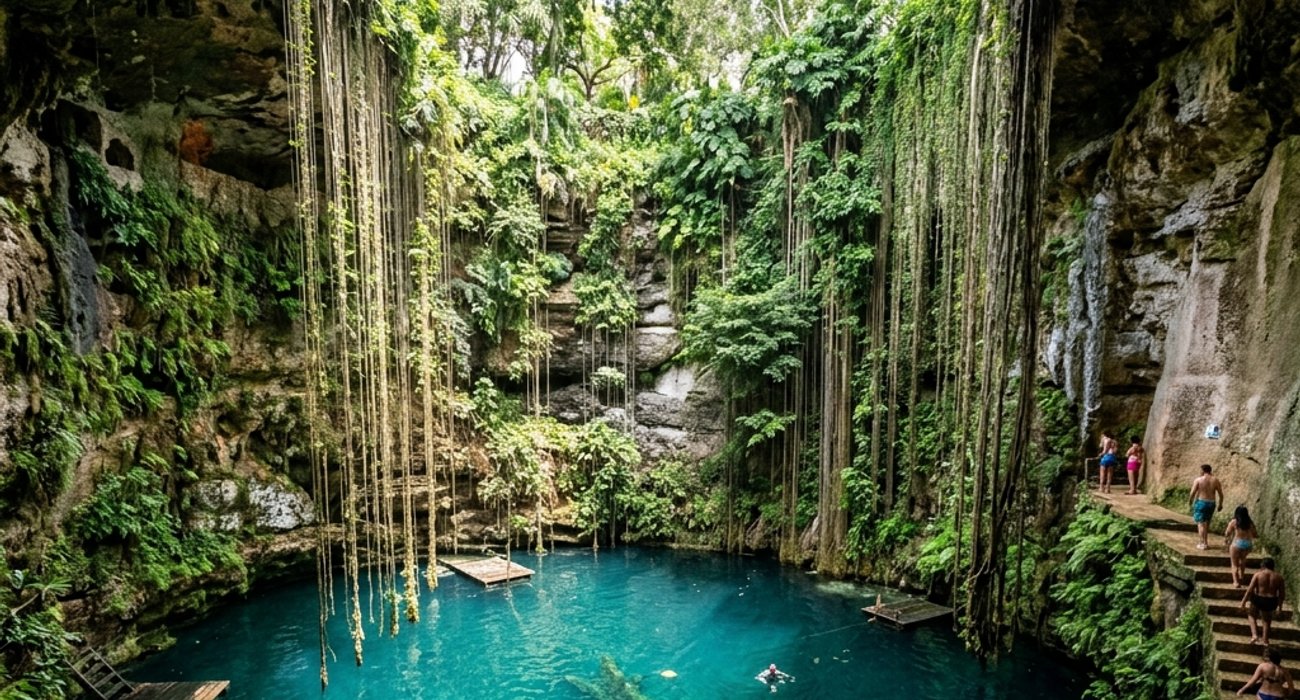
Cenotes are freshwater sinkholes connected to the limestone subterranean landscape of the peninsula. The Ruta de los Cenotes near Puerto Morelos offers several options, ranging from open natural pools to caves reached through organized facilities.
Admission policies differ by location. Some cenotes require life jackets, restrict chemical sunscreen, or allow swimming only in designated sections. Compare what the entrance fee includes before booking transportation or an activity package.
Visiting Isla Mujeres Independently
Isla Mujeres can be reached by ferry from the Cancun area. Travelers do not necessarily need an expensive all-inclusive catamaran package: purchasing ferry tickets and exploring independently can provide more control over your schedule and budget.
Once on the island, visitors can walk around the central area, spend time at Playa Norte, or arrange local transportation to Punta Sur. Ferry schedules and departure points should be checked before the trip, particularly for the return journey.
Choosing a Nearby Maya Archaeological Site
El Rey, located within the Hotel Zone, offers a convenient introduction to the region’s Maya history. Travelers willing to dedicate a full day can consider larger archaeological zones such as Chichen Itza, Tulum, or Coba.
For longer excursions, compare total travel time, admission fees, whether meals and transportation are included, and the amount of guided time provided at the site. A lower advertised tour price may not represent the final cost if essential services are charged separately.
How to Reduce Travel Costs Without Limiting the Experience
Saving begins with setting priorities rather than trying to minimize every single expense. A traveler who values a beachfront room may choose simpler meals, while someone interested in historical excursions may stay downtown and direct more of the budget toward transportation and guides.
Travel Outside Peak Seasons
Late spring, summer, and fall may bring lower demand and accommodation rates, but these months also overlap with hotter temperatures, rain, tropical weather, and possible sargassum. Conditions vary from year to year, so low-season travel requires flexibility.
Winter and early spring generally offer drier conditions but attract more visitors. Travelers looking for a balance can compare dates outside major holidays and school breaks.
Be Selective with Accommodations and Meals
Compare the total lodging cost, including taxes, resort fees, breakfast, and transportation needs. Check whether the room includes a refrigerator or basic kitchen facilities. Visit local supermarkets or bakeries for bottled water, fresh fruit, and simple breakfasts, and eat at established local restaurants away from the main tourist corridors.
An all-inclusive resort is not automatically the most or least economical option—its value depends entirely on how much time travelers expect to spend on the property.
Practical Cancun Travel Tips for US Visitors
- Reserve Flights Early: Booking ahead usually provides more choices of departure dates, schedules, and nonstop routes, particularly during holidays and spring travel periods.
- Plan Airport Transfers: Confirm transportation before arrival and use authorized services. Travel time varies depending on traffic and whether the accommodation is downtown or in the Hotel Zone.
- Use Public Transportation Strategically: R-1 and R-2 buses are useful and inexpensive between downtown and the Hotel Zone. For early departures, late returns, or trips with heavy luggage, an authorized taxi or prearranged transfer is more practical.
- Carry Mexican Pesos: Cards are widely accepted in hotels and major restaurants, but cash pesos are essential for local markets, tips, street transportation, and smaller businesses.
- Check Sea and Weather Conditions: Rain, wind, currents, and sargassum can affect beach plans. Avoid building the entire itinerary around a single outdoor activity.
- Confirm Entry Requirements: US travelers should carry a valid passport and review current Mexican immigration requirements and official travel guidance before departure.
- Protect the Excursion Budget: Book through established operators, read what is included, and avoid paying deposits through unverifiable contacts.
Building a Caribbean Trip Around Your Priorities
Cancun does not require choosing between an enjoyable vacation and responsible spending. Selecting the right neighborhood, balancing independent outings with organized tours, and leaving room for changing weather can produce a more flexible itinerary. Ultimately, planning a trip from the US to Cancun on a budget is less about cutting every cost than deciding which experiences deserve a larger share of the travel budget.
Frequently Asked Questions
Is it cheaper to stay in Downtown Cancun or the Hotel Zone?
Downtown Cancun is significantly cheaper for accommodations, dining, and grocery shopping. Public buses connect downtown to the Hotel Zone beaches for around 12 pesos per ride.
What is the best month to visit Cancun on a budget?
May, September, and October offer lower hotel rates and airfares, though travelers should be prepared for warmer temperatures, occasional rain, or sargassum season.
Do US citizens need a visa to travel to Cancun?
US citizens do not need a visa for tourist stays under 180 days in Mexico, but a valid passport with at least 6 months validity from entry is required.
Related Travel Guides
Disclaimer
This article is for informational and educational purposes only. It does not constitute legal, financial, or professional advice. While we strive to provide accurate and up-to-date information, travel policies, regulations, and conditions change rapidly. Always verify information with official sources before making travel decisions. Nomad Lawyer makes no representations about the accuracy, reliability, completeness, or suitability of the information provided. Readers should consult qualified professionals for advice specific to their circumstances. The views expressed in this article are those of the author and do not necessarily reflect the views of Nomad Lawyer.
Kunal K Choudhary
Co-Founder & Contributor
A passionate traveller and tech enthusiast. Kunal contributes to the vision and growth of Nomad Lawyer, bringing fresh perspectives and driving the community forward.
Learn more about our team →