
Miami’s Luxury Boom Challenges New York as America’s Next Wealth Capital
Miami is challenging New York as America's wealth capital, driven by favorable tax policies, business relocation, and record demand for luxury properties.

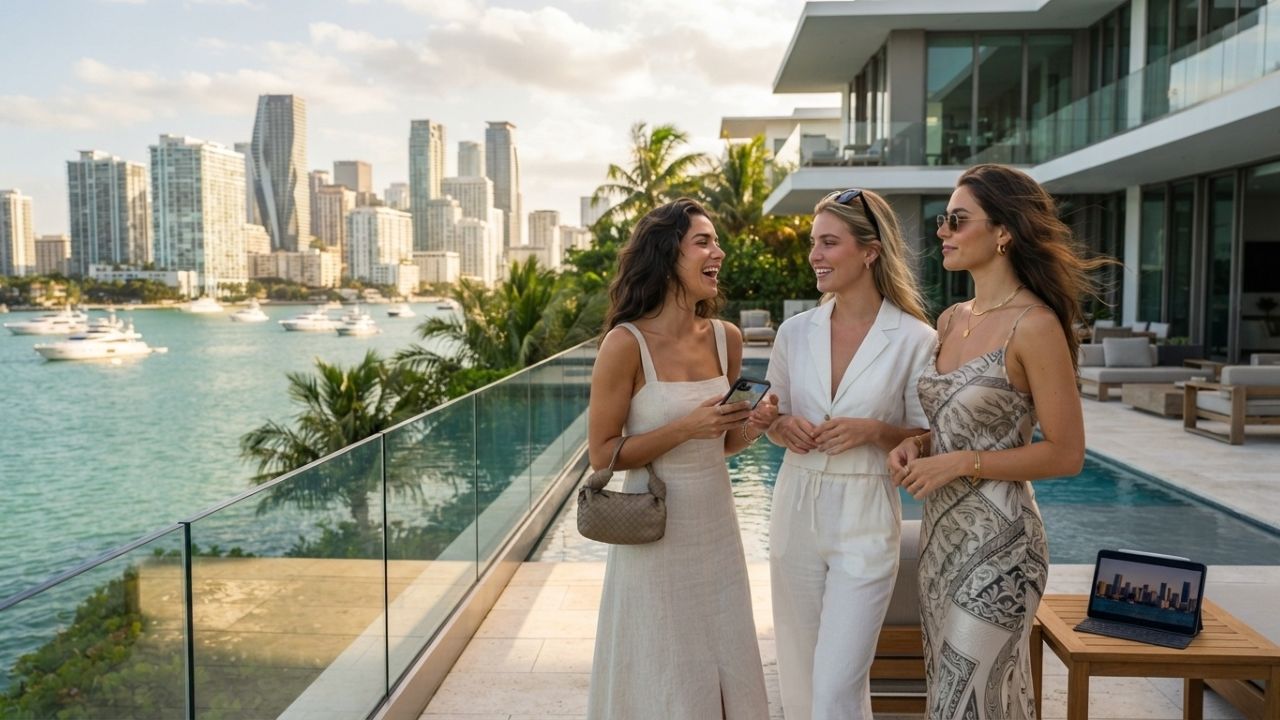
Image generated by AI
Miami is challenging New York as America's premier wealth capital, driven by a major influx of high-net-worth individuals, corporate headquarters, and international investment. According to recent market data, the city ended 2025 with over 10,500 home listings priced above US$1 million, exceeding New York's luxury inventory for the first time.
The Local Trend Revealed: South Florida Challenges New York's Wealth Supremacy
For generations, Manhattan has served as the undisputed center of American finance and luxury living, attracting global corporations and affluent professionals. However, the nation's wealth map is undergoing a significant realignment. An increasing number of wealthy individuals, investment firms, and technology companies are relocating to Miami and South Florida, creating a historic shift in the country's premium real estate market.
This transformation accelerated after changes in corporate culture allowed high-earning professionals to work more flexibly. Many chose to leave traditional economic centers in states like New York, California, and Illinois for the business-friendly climate of Florida. A primary driver of this migration has been Florida's tax policy, which does not impose a state personal income tax. For high-income earners and business owners, these savings are substantial, making South Florida an attractive alternative for wealth preservation.
Beyond tax advantages, Miami has built the infrastructure necessary to support this economic expansion. The city features direct aviation connections to major hubs in Europe, Latin America, and North America, alongside one of the busiest ports in the hemisphere. This global connectivity has helped the city move far beyond its traditional identity as a vacation spot, establishing it as a serious hub for international business and finance.
Luxury Real Estate: Miami Outpaces New York in High-End Listings
The scale of the wealth migration is visible in South Florida's high-end housing statistics. During the first quarter of 2026, the region's premium real estate market maintained strong upward momentum, even as rising interest rates slowed down housing activity in other parts of the United States. Sales of properties valued between US$3 million and US$10 million recorded an increase of almost 35% compared to the previous year.
This rapid appreciation has reshaped the local housing sector, with high-end purchases increasingly dominated by cash transactions. Wealthy buyers are competing for a limited supply of exclusive properties, particularly waterfront homes and high-end condominiums. The scarcity of coastal land in Miami-Dade County has driven values upward, pushing the entry-level price for luxury homes to record highs.
This competitive environment has brought Miami into direct comparison with established global property markets. By outperforming New York in million-dollar inventory at the close of 2025, South Florida has proven that its real estate boom is built on long-term demographic and economic changes rather than temporary seasonal demand.
Economic Shift: From a Vacation Escape to a Global Financial Hub
Miami's economic profile has changed dramatically as major financial institutions and technology firms establish physical offices in neighborhoods like Brickell and downtown Miami. The relocation of high-profile investment groups, hedge funds, and venture capital firms has earned Brickell the nickname 'Wall Street South'. This corporate relocation has created a steady demand for luxury housing among executives, managers, and international investors who require premium residential properties near their offices. This influx of corporate entities has also spurred the growth of luxury retail, gourmet dining, and high-end services, creating a fully integrated lifestyle environment for relocated professionals.
At the ultra-luxury end of the market, demand is concentrated in private, highly secure enclaves. Locations like Indian Creek Island, known for its extreme privacy and limited home inventory, have seen record-breaking sales as buyers prioritize security and space. This focus on private, low-density living represents a significant shift from the high-rise urban density of Manhattan.
International buyers also play a major role in this transition. Wealthy purchasers from Europe and Latin America continue to view South Florida real estate as a stable long-term asset. This combination of domestic migration, international demand, and corporate expansion has established Miami as a leading destination for wealth management and global investment.
Local Challenges: Balancing Global Wealth with Community Affordability
While the influx of global capital has strengthened the local economy, it has also created challenges for local residents. The rapid growth of the luxury sector has pushed housing prices and rents to levels that far exceed local average wages, creating housing pressure for middle-income families and essential workers.
Employees in vital sectors—including healthcare, education, retail, and hospitality—find it increasingly difficult to secure affordable housing near their workplaces. Many are forced to relocate to outlying areas, leading to longer commutes and increased pressure on regional transport infrastructure. The Miami-Dade County Department of Regulatory and Economic Resources and the Miami Association of Realtors are actively examining strategies to balance wealth attraction with the development of workforce housing.
Additionally, homeowners face rising property insurance costs due to Florida's exposure to extreme weather and hurricanes. These rising premiums, combined with higher maintenance costs, have increased the overall cost of homeownership in South Florida. Managing these challenges is essential for ensuring that the city's economic growth remains sustainable and inclusive over the long term.
Local Insider Guide: Navigating Miami's Luxury Neighborhoods Responsibly
To help you explore Miami's premium real estate and experience the local culture while supporting the community, local specialists suggest the following tips:
- Optimal Visit Windows: To tour properties and explore the city in comfort, plan your visit during the late spring (April to May) or autumn (October to November). During these months, you can avoid the high summer heat and humidity, as well as the peak winter rental prices.
- Support Local Heritage and Preservation: When visiting historical neighborhoods like Coconut Grove or Coral Gables, support organizations like the Dade Heritage Trust. These groups work to preserve historic homes and botanical gardens, ensuring the city's architectural history is protected.
- Traditional Dining Specialties: Experience authentic local flavors by visiting independent neighborhood restaurants. Try Ropa Vieja (shredded beef stew) paired with a traditional Cafecito (sweetened Cuban espresso), or visit historic venues in South Beach to sample sustainably harvested Florida stone crabs.
- Choose Green-Certified Properties: If you are purchasing or renting in Miami, prioritize developments that are LEED-certified or utilize energy-efficient cooling systems. Supporting eco-friendly building practices helps reduce the strain on the regional electrical grid and supports coastal conservation.
Tourism Outlook: The Long-Term Profile of America's Emerging Wealth Capital
The long-term outlook for South Florida's economy is closely tied to its ability to manage its rapid growth. As the city continues to attract international finance and technology operations, local authorities are focusing on expanding public transit, improving coastal infrastructure, and protecting the delicate marine environment of Biscayne Bay.
By diversifying its economy beyond tourism and hospitality, Miami is building a more resilient economic foundation. The transition toward a major financial and wealth management center provides high-skilled employment opportunities and attracts steady infrastructure investment.
Ultimately, the future of the destination will depend on how successfully it addresses housing affordability and climate resilience. By implementing sustainable development practices and supporting local workforce initiatives, Miami can maintain its position as a leading global wealth hub while preserving the unique cultural and natural assets that draw visitors from around the world.
Related Travel Guides
Wagamama Partners with Charcoal Concepts to Open 100 India Restaurants
Four Seasons Hotel Tunis Hosts Exclusive Lebanese Culinary Residency
Disclaimer
This article is for informational and educational purposes only. It does not constitute legal, financial, or professional advice. While we strive to provide accurate and up-to-date information, travel policies, regulations, and conditions change rapidly. Always verify information with official sources before making travel decisions. Nomad Lawyer makes no representations about the accuracy, reliability, completeness, or suitability of the information provided. Readers should consult qualified professionals for advice specific to their circumstances. The views expressed in this article are those of the author and do not necessarily reflect the views of Nomad Lawyer.
Kunal K Choudhary
Co-Founder & Contributor
A passionate traveller and tech enthusiast. Kunal contributes to the vision and growth of Nomad Lawyer, bringing fresh perspectives and driving the community forward.
Learn more about our team →