
Pilots Coffin Corner: The Dangerous Altitude Where Safety Margins Vanish
At 40,000 feet, pilots face coffin corner—where the gap between aerodynamic stall and overspeed narrows to critical levels. Learn what this phenomenon means for 2026 flight safety and traveler awareness.

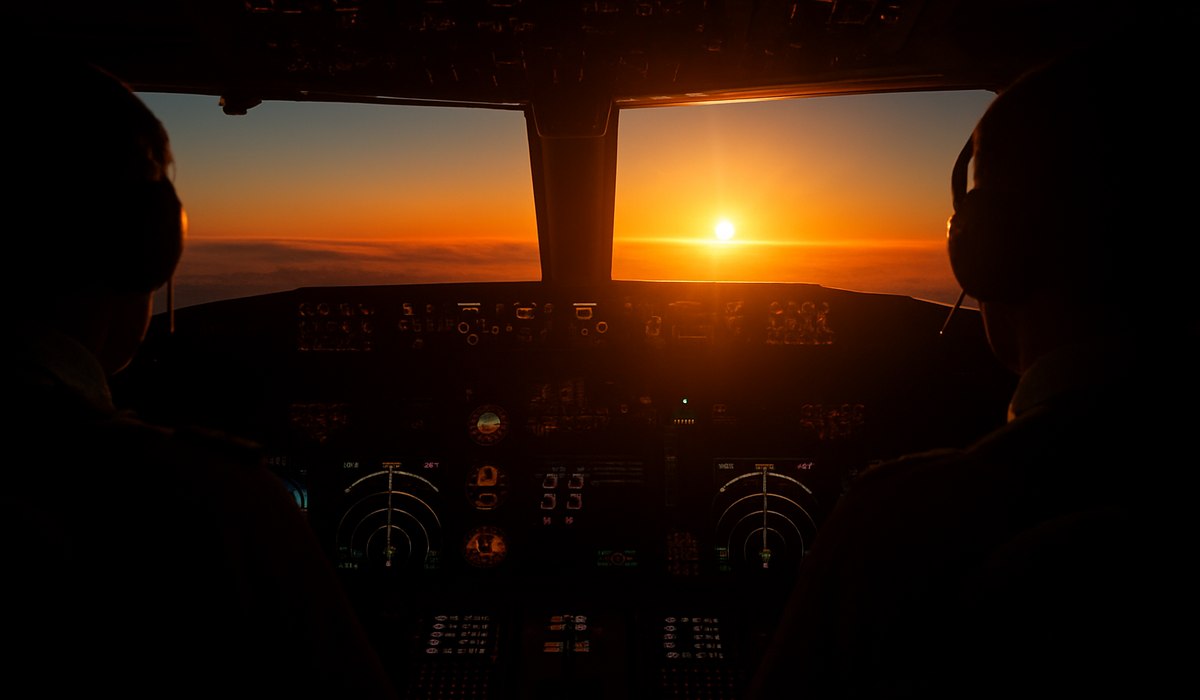
Image generated by AI
Understanding Pilots Coffin Corner at Extreme Altitudes
Pilots coffin corner represents one of aviation's most hazardous aeronautical phenomena, occurring when commercial aircraft cruise above 40,000 feet where the operational envelope shrinks to dangerous proportions. At these extreme altitudes, the margin between an aerodynamic stall and aircraft overspeed becomes critically narrow—sometimes just 10-15 knots. This compressed safety zone has earned the ominous nickname "coffin corner" among flight crews worldwide. The phenomenon affects how modern carriers operate long-haul international routes and influences every decision pilots make during extended high-altitude flight operations.
Commercial aviation has expanded the altitude ceiling for decades, with contemporary wide-body jets regularly reaching 43,000-45,000 feet on transoceanic routes. While higher altitudes offer fuel efficiency and faster jet stream winds, they force aircraft systems, aerodynamic performance, and human physiology toward simultaneous critical limits. Understanding this dangerous zone has become essential knowledge for commercial pilots, aviation safety regulators, and informed travelers.
What Is Coffin Corner and Why It Matters for Flight Safety
Coffin corner occurs at the intersection of two critical airspeed thresholds that define an aircraft's structural and aerodynamic limits. As altitude increases, the thin air reduces the airplane's ability to generate lift, requiring faster true airspeed to maintain level flight and prevent an aerodynamic stall. Simultaneously, the thin atmosphere means that the same true airspeed translates to much lower indicated airspeed on cockpit instruments.
However, aircraft have structural speed limits. Exceeding critical mach speed—the ratio of aircraft speed to local sound speed—risks supersonic flow across wing surfaces and catastrophic structural failure. At extreme altitudes, the stall speed and the maximum safe mach speed converge until they nearly intersect. When they converge completely, the aircraft cannot fly safely in that environment.
The typical coffin corner window opens around 35,000 feet and becomes most dangerous above 40,000 feet. Modern commercial aircraft encounter this zone on long-haul flights, particularly on transpacific and transatlantic routes where fuel efficiency demands maximum altitude operations. Airlines and pilot unions highlight this concern during safety briefings and operational planning sessions.
According to the FAA, understanding altitude limitations remains critical for crew resource management and flight safety planning. Pilots must recognize coffin corner conditions early and make tactical decisions about altitude adjustments, speed modifications, or route deviations before entering truly dangerous territory.
The Physics of Operating at Critical Altitude Where Limits Converge
High-altitude flying involves competing physical forces that commercial aviation manages through precise engineering and disciplined operational procedures. As aircraft climb, atmospheric pressure decreases exponentially, reducing air density that wings depend upon for lift generation.
At 40,000 feet, atmospheric pressure drops to approximately 19 percent of sea-level pressure. This thin air requires the aircraft to move faster through the atmosphere to generate sufficient lift and maintain altitude without stalling. Simultaneously, this higher true airspeed approaches the aircraft's maximum allowable speed—the critical mach number—beyond which aerodynamic shock waves form across the wing surfaces.
The coffin corner phenomenon creates a physics problem with no ideal solution. Pilots cannot speed up without risking structural damage from shock wave formation. They cannot slow down without risking aerodynamic stall and loss of lift. They cannot climb higher because the margin narrows further. They cannot descend without abandoning fuel-efficient routing.
Temperature inversions, atmospheric conditions, and aircraft weight affect the exact altitude where coffin corner conditions develop for any particular airplane. A heavily loaded wide-body jet with maximum fuel encounters coffin corner at lower altitudes than an empty aircraft. Seasonal jet stream positioning and atmospheric temperature variations shift the dangerous zone by hundreds or thousands of feet.
Modern avionics provide real-time data about current aerodynamic margins, allowing pilots to navigate within safe limits. However, rapid atmospheric changes, unexpected wind shear, or mechanical issues can compress the already-narrow safety window further, creating emergency conditions that demand immediate corrective action.
How Pilots Navigate Narrow Safety Margins During Extended Flight Operations
Pilots coffin corner awareness begins during flight planning, where dispatchers calculate optimal cruise altitudes based on aircraft weight, fuel load, weather conditions, and route specifics. Professional pilots receive extensive training on high-altitude operations, aerodynamic limitations, and recognition of coffin corner warning signs.
During cruise, flight crews monitor multiple systems simultaneously. The autopilot maintains precise altitude control within feet. The flight management system tracks real-time fuel consumption and recalculates optimal altitude every few minutes. Pilots observe airspeed trends, temperature variations, and wind conditions that might signal approaching coffin corner conditions.
Warning systems provide critical data. The angle-of-attack indicator shows how close the aircraft flies to aerodynamic stall conditions. The airspeed indicator displays indicated airspeed and provides mach speed information simultaneously. Modern aircraft present this data through integrated avionics that highlight any concerning trends.
When pilots recognize coffin corner conditions developing—stall warning systems activating, airspeed margins compressing, or aerodynamic shaking—they respond with immediate tactical actions. Descending even 1,000-2,000 feet typically expands the safety margin significantly. Reducing speed slightly while maintaining aerodynamic stability provides additional margin. If necessary, pilots request alternative routing from air traffic control to avoid the most dangerous altitude bands.
International aviation regulations and airline operations manuals provide specific procedures for coffin corner recognition and response. Crew resource management training emphasizes communication between pilots and flight engineers about altitude suitability and aerodynamic margins. Professional pilots view coffin corner not as a theoretical hazard but as a real operational concern requiring constant vigilance.
Modern Aircraft Systems and Risk Mitigation Technologies
Contemporary commercial aircraft incorporate sophisticated systems designed specifically to help pilots manage coffin corner risks and other high-altitude challenges. Modern flight control computers automatically adjust aircraft trim and control surfaces to maintain stable flight within precise parameters.
Advanced air data systems feed altitude, airspeed, and temperature information to the flight management computer. The FMS calculates aerodynamic margins and recommends optimal cruise altitudes continuously. If the aircraft drifts into a suboptimal altitude band, the system alerts pilots to consider altitude changes.
Stall warning systems have evolved from simple stick-shaker mechanisms to comprehensive angle-of-attack monitoring that provides continuous feedback about aerodynamic margin. Enhanced weather radar helps pilots identify turbulent air masses at altitude, where encountering strong updrafts or downdrafts could compress the coffin corner safety margin dangerously.
Modern aircraft also benefit from lighter construction materials and improved aerodynamic designs. Contemporary wide-body jets have broader altitude envelopes than older generation aircraft, reducing the severity of coffin corner conditions. Composite materials reduce weight, allowing aircraft to maintain adequate aerodynamic margins even at extreme altitudes.
However, the FAA emphasizes that technology cannot eliminate the fundamental physics of coffin corner. Pilot training, operational discipline, and conservative decision-making remain essential safeguards. Airlines invest heavily in pilot education programs that emphasize high-altitude aerodynamic awareness and coffin corner recognition.
Key Data: Coffin Corner Altitude Performance Specifications
| Factor | Specification | Impact on Safety |
|---|---|---|
| Typical Coffin Corner Altitude | 35,000-45,000 feet | Compressed safety margin zone |
| Safety Speed Margin in Coffin Corner | 10-15 knots | Extremely narrow operational window |
| Atmospheric Pressure at 40,000 ft | 19% of sea-level | Significantly reduced lift generation |
| Temperature at 40,000 ft | -56.5°C standard | Affects aerodynamic performance |
| Aircraft Maximum Operating Altitude | 43,000-45,000 feet | Structural and aerodynamic limits |
| Fuel Efficiency Altitude Range | 35,000-42,000 feet | Economic |
Disclaimer
This article is for informational and educational purposes only. It does not constitute legal, financial, or professional advice. While we strive to provide accurate and up-to-date information, travel policies, regulations, and conditions change rapidly. Always verify information with official sources before making travel decisions. Nomad Lawyer makes no representations about the accuracy, reliability, completeness, or suitability of the information provided. Readers should consult qualified professionals for advice specific to their circumstances. The views expressed in this article are those of the author and do not necessarily reflect the views of Nomad Lawyer.
Preeti Gunjan
Contributor & Community Manager
A passionate traveller and community builder. Preeti helps grow the Nomad Lawyer community, fostering engagement and bringing the reader experience to life.
Learn more about our team →