
Akasa Adds 39th Aircraft: Indian Carrier Accelerates Fleet Expansion Through 2026
Akasa Air receives its 39th aircraft in June 2026, marking the eighth delivery this year. The Boeing 737 MAX 8-200 strengthens India's competitive aviation landscape as the carrier pursues aggressive network expansion.

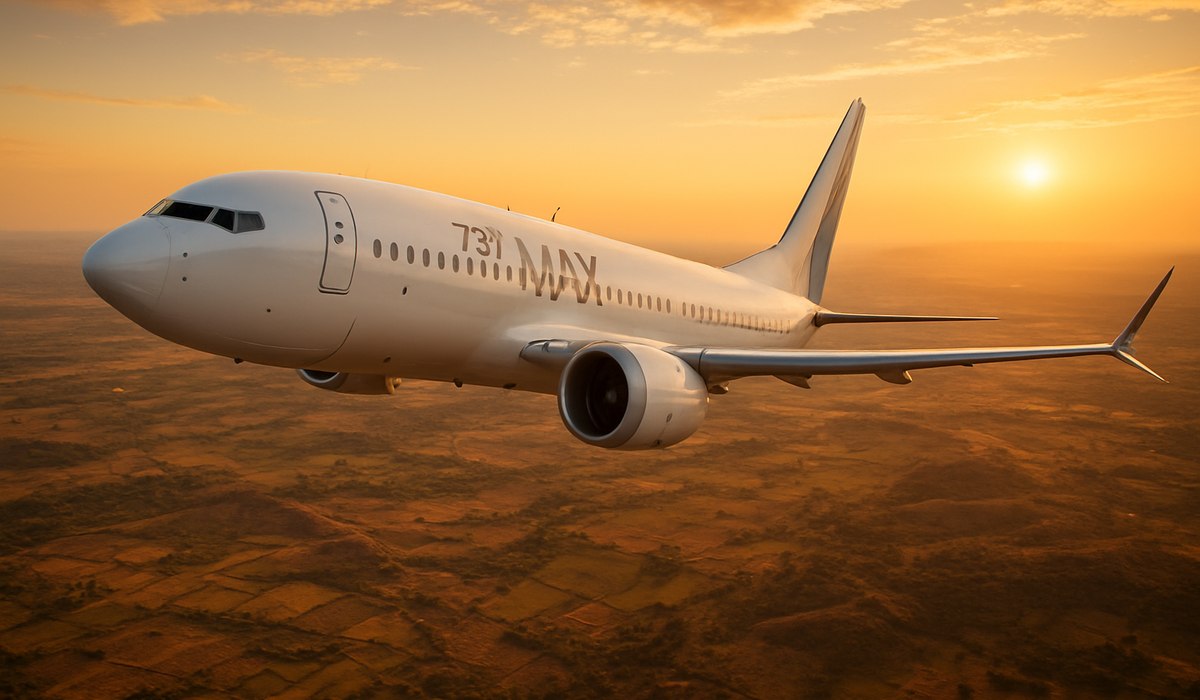
Image generated by AI
Akasa Air Receives 39th Aircraft, Signals Aggressive Growth Strategy
Akasa Air officially inducted its 39th aircraft on June 24, 2026, marking a significant milestone in India's aviation renaissance. The Boeing 737 MAX 8-200 arrival represents the airline's eighth delivery in 2026 alone, underscoring its commitment to rapid fleet modernization and market penetration. Based in India's increasingly competitive aviation sector, Akasa Air continues leveraging advanced aircraft technology to expand domestic and regional connectivity while maintaining operational efficiency.
The carrier's accelerated induction schedule demonstrates confidence in India's aviation demand recovery and long-term growth trajectory. With 187 additional aircraft still scheduled from its Boeing order book, Akasa Air positions itself as a major player reshaping India's airline landscape through 2026 and beyond.
Akasa Air's Fleet Milestone: What the 39th Aircraft Means
Akasa Air's 39th aircraft arrival carries substantial implications for India's competitive aviation environment. The airline launched operations in August 2022 and has achieved remarkable growth velocity, building its fleet from zero to 39 aircraft in less than four years. This expansion pace rivals established global carriers, reflecting robust investor confidence and strong market demand dynamics.
Each new aircraft addition increases Akasa Air's capacity to launch new routes, increase flight frequencies on existing services, and accommodate the surging travel demand from India's growing middle class. The airline currently operates across major metropolitan corridors and tier-two cities, with growth concentrated on underserved regional markets. Fleet expansion directly translates to improved schedule availability for business and leisure travelers seeking competitive fares and modern cabin amenities.
Industry analysts monitoring India's airline sector view Akasa adds 39th aircraft delivery as validation that smaller, well-capitalized carriers can compete effectively against established incumbents. The timing of these deliveries, concentrated across 2026, indicates Boeing's production acceleration and Akasa Air's strategic desire to maximize market share capture during favorable economic conditions.
Boeing 737 MAX 8-200: Powering India's Aviation Growth
The Boeing 737 MAX 8-200 represents next-generation efficiency in single-aisle aircraft design, featuring advanced avionics, improved fuel economy, and enhanced passenger comfort compared to legacy Boeing 737 variants. Akasa Air selected this aircraft type specifically for its suitability on India's high-growth domestic routes, where operational economics and reliability determine competitive advantage.
The MAX 8-200 configuration carries increased passenger capacity—up to 210 seats in typical high-density arrangements—while consuming 20% less fuel than predecessor models. This efficiency advantage allows Akasa Air to profitably serve smaller metropolitan markets that competitors previously abandoned due to cost constraints. Extended range capability enables regional cross-border operations, potentially connecting India with neighboring SAARC countries.
Deliveries of Boeing MAX aircraft family have accelerated throughout 2026 following resolution of earlier certification delays. Akasa Air's scheduled inductions align with Boeing's ramped production, giving the Indian carrier first-mover advantage on new aircraft availability. The airline prioritizes these deliveries for high-frequency routes serving premium leisure and business segments, maximizing revenue extraction from modern aircraft economics.
Expansion Strategy: 187 Aircraft Still on Order
Akasa Air maintains one of India's most ambitious aircraft order books, with 187 Boeing jets remaining in its delivery pipeline through 2030 and beyond. This procurement commitment—totaling approximately $20 billion at list prices—signals extraordinary confidence in India's long-term aviation growth potential and the carrier's competitive positioning.
The carrier's phased approach spreads deliveries across multiple years, allowing operational teams to absorb new aircraft types, train pilots and crew members, and establish support infrastructure. Strategic delivery timing coordinates with route launches, seasonal demand patterns, and competitive dynamics within India's aviation market. Management specifically targets high-growth corridor expansion, including underserved connections between metropolitan centers and emerging second-tier cities.
Financing arrangements for this aircraft order involve combinations of manufacturer credit programs, aircraft leasing partnerships, and strategic investor participation. Akasa Air benefits from Boeing's competitive package offerings, which increasingly include crew training, maintenance support, and spare parts provisioning contracts. The airline's ability to absorb 187 new aircraft without operational disruption represents unprecedented growth for any Indian carrier.
Market Impact: Strengthening Competition in Indian Aviation
Akasa Air's aggressive fleet expansion directly challenges market incumbents including IndiGo, Spicejet, and Air India, reshaping competitive dynamics in Indian aviation. The carrier's modern fleet, backed by venture capital investment and professional management, enables aggressive pricing strategies while maintaining operational quality and safety standards. Route expansion by Akasa Air typically forces competitors to reduce fares on overlapping services, benefiting leisure and business travelers.
India's aviation market demonstrates structural characteristics favoring new entrants: rising incomes, increasing business connectivity demands, and underserved regional markets create headroom for multiple carriers. Akasa adds 39th aircraft milestone indicates the airline has achieved sustainable operational profitability, removing existential threats that plagued previous Indian startup carriers. The carrier's focus on operational efficiency, on-time performance, and crew training differentiates it from competitors, earning positive traveler feedback and brand recognition.
Analysts project that Akasa Air could command 15-20% domestic market share within five years if current delivery schedules and expansion strategies proceed uninterrupted. This market consolidation creates upward pricing pressure on routes where Akasa Air maintains limited presence, while competitive pricing emerges on high-density corridors served by multiple carriers. Overall, India's aviation traveling public benefits from increased schedule flexibility, modernized aircraft fleets, and improved service quality.
Key Data: Akasa Air Fleet Expansion Timeline
| Metric | Details |
|---|---|
| Current Fleet Size | 39 aircraft as of June 2026 |
| 2026 Deliveries (YTD) | 8 aircraft delivered January-June |
| Remaining Order Book | 187 Boeing aircraft scheduled for delivery |
| Primary Aircraft Type | Boeing 737 MAX 8-200 |
| Estimated Order Value | Approximately $20 billion USD |
| Fleet Launch Year | August 2022 (4-year growth period) |
| Growth Rate (Annual) | Approximately 10 aircraft per year |
| Forecast 2026 Deliveries | 15-18 aircraft scheduled through December |
| Target Market Share | 15-20% domestic aviation within 5 years |
| Route Network Scope | 50+ domestic Indian destinations |
What This Means for Travelers
Akasa Air's fleet expansion creates tangible benefits for Indian aviation consumers navigating an increasingly competitive marketplace.
1. Enhanced Route Availability: New aircraft enable the carrier to launch direct connections between previously underserved city pairs, reducing travel time and connection requirements for business and leisure passengers.
2. Improved Schedule Frequency: Fleet growth allows Akasa Air to increase flight frequencies on existing popular routes, providing travelers more departure time options and reducing travel planning constraints.
3. Competitive Fare Pressure: Increased capacity and competition force all Indian carriers to offer competitive pricing on overlapping routes, directly reducing airfares for economy and premium cabin passengers.
4. Modern Cabin Experience: Boeing 737 MAX 8-200 aircraft feature contemporary cabin design, improved in-flight entertainment systems, and enhanced air quality management compared to legacy aircraft, elevating passenger comfort standards.
5. Regional Connectivity: Expanded operations unlock convenient travel to emerging destinations, supporting business expansion, tourism growth, and family connectivity across India's diverse metropolitan landscape.
6. Loyalty Program Flexibility: Akasa Air's expanded capacity creates opportunities for frequent flyers to earn and redeem rewards more easily, with broader route selection and reduced seat availability constraints.
Travelers should monitor Akasa Air's route announcements on
Disclaimer
This article is for informational and educational purposes only. It does not constitute legal, financial, or professional advice. While we strive to provide accurate and up-to-date information, travel policies, regulations, and conditions change rapidly. Always verify information with official sources before making travel decisions. Nomad Lawyer makes no representations about the accuracy, reliability, completeness, or suitability of the information provided. Readers should consult qualified professionals for advice specific to their circumstances. The views expressed in this article are those of the author and do not necessarily reflect the views of Nomad Lawyer.
Preeti Gunjan
Contributor & Community Manager
A passionate traveller and community builder. Preeti helps grow the Nomad Lawyer community, fostering engagement and bringing the reader experience to life.
Learn more about our team →