
Akasa adds 39th aircraft: Fleet expansion accelerates in 2026
Akasa Air inducted its 39th Boeing 737 MAX aircraft in June 2026, marking the carrier's eighth delivery this year. With 187 additional aircraft on order, the Indian airline continues aggressive fleet modernization to capture growing domestic market share.

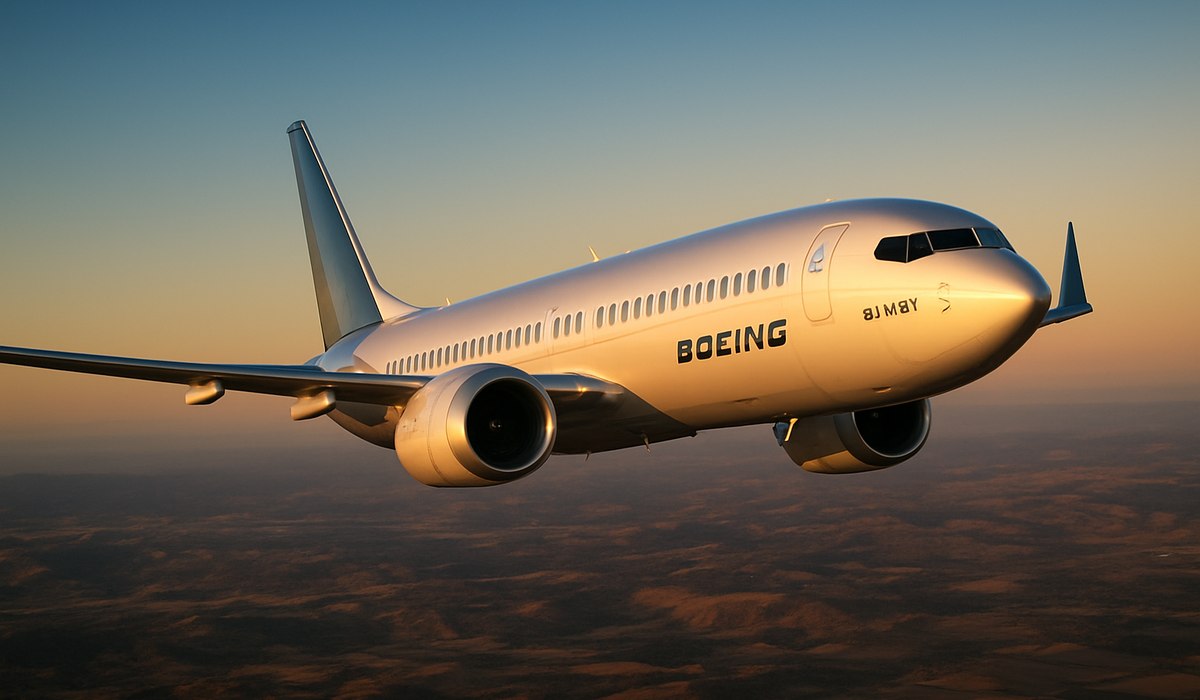
Image generated by AI
Akasa Air Reaches Fleet Milestone with 39th Aircraft Delivery
Akasa Air inducted its 39th aircraft on June 23, 2026, reinforcing its commitment to rapid fleet modernization across India's competitive aviation landscape. The newly delivered Boeing 737 MAX 8-200 represents the airline's eighth aircraft acquisition in calendar year 2026 alone, demonstrating accelerated growth momentum. This milestone signals Akasa's determination to expand domestic connectivity and capture emerging travel demand as India's aviation sector experiences unprecedented passenger growth. The carrier's strategic fleet expansion underscores intensifying competition among Indian airlines and reshapes route availability for millions of travelers seeking affordable, modern air travel options.
Akasa Air's Rapid Fleet Growth in 2026
Akasa Air's 2026 delivery schedule reflects unprecedented growth within India's low-cost carrier segment. The airline has already received eight aircraft this calendar year, positioning it for substantial capacity increases across high-demand routes connecting major metros and emerging secondary cities. This accelerated induction pace exceeds industry projections and indicates Boeing's prioritized production scheduling for Akasa's expanding order book. The carrier's ability to integrate multiple aircraft monthly demonstrates operational sophistication and financial stability. Robust fleet additions enable Akasa to increase flight frequencies, reduce average fares through improved load factors, and establish new point-to-point connections previously underserved by competitors. Industry analysts anticipate continued delivery momentum through Q4 2026 as manufacturing supply chains normalize globally.
Boeing 737 MAX 8-200: Powering Network Expansion
The Boeing 737 MAX 8-200 aircraft joining Akasa's fleet represents a pivotal advancement in the carrier's operational capabilities. This aircraft variant features an extended fuselage configuration accommodating up to 210 passengers in high-density configurations, significantly improving unit economics on India's domestic trunk routes. Superior fuel efficiency compared to legacy narrow-body aircraft directly reduces operating costs, enabling Akasa to maintain competitive pricing while improving profitability margins. The MAX 8-200's enhanced range capabilities extend Akasa's geographic footprint, connecting tier-two and tier-three cities with direct services previously requiring connections. Advanced avionics systems and modern cabin amenities improve passenger experience metrics and crew operational efficiency. Akasa's standardized fleet composition around Boeing 737 MAX variants streamlines maintenance protocols, reduces training requirements, and optimizes spare parts inventory management across multiple Indian airports.
India's Aviation Market and Competitive Pressures
India's domestic aviation sector has transformed dramatically since 2020, evolving into the world's third-largest by passenger volume. Akasa Air emerged as India's newest carrier in 2022 and has rapidly challenged established competitors through aggressive pricing, modern aircraft, and customer-focused operations. The competitive landscape includes Air India, IndiGo, SpiceJet, and Go First, each pursuing distinct market strategies. Akasa's aggressive fleet acquisition accelerates competitive intensity, compelling rivals to modernize their own aircraft portfolios. Route saturation in major metro pairs (Delhi-Mumbai, Delhi-Bangalore, Mumbai-Bangalore) creates pricing pressure, incentivizing carriers like Akasa to develop secondary city networks. Government policies promoting regional connectivity through subsidized RCS-UDAN routes create additional growth opportunities. Rising middle-class passenger volumes and improved airport infrastructure across India support sustainable aviation growth through 2030, benefiting all market participants including newer entrants like Akasa.
What's Next for Akasa's 187-Aircraft Order Book
Akasa Air maintains one of aviation's most ambitious aircraft order books, with 187 Boeing 737 MAX aircraft scheduled for future delivery. This substantial commitment—equivalent to deploying approximately 300 aircraft including future generations—positions Akasa as a transformational force in Indian aviation. Delivery schedules, contingent on Boeing's production capacity recovery and Akasa's financial performance, likely extend through 2030. Strategic deployment considerations will prioritize routes with highest revenue potential, network connectivity optimization, and profitability targets. The carrier may gradually introduce newer MAX variants (MAX 9, MAX 10) as they achieve certification and production readiness. International expansion possibilities remain undetermined; current focus emphasizes domestic market penetration and network comprehensiveness. Market observers anticipate potential fleet optimization adjustments as Akasa refines route profitability data and passenger demand patterns across its growing network.
Key Data: Akasa Air Fleet Expansion Metrics
| Metric | Value | Note |
|---|---|---|
| Aircraft Inducted (June 2026) | 39 total | 8 deliveries in 2026 year-to-date |
| Aircraft Type | Boeing 737 MAX 8-200 | Standardized narrow-body fleet |
| Remaining Order Book | 187 aircraft | Future deliveries through 2030 |
| Passenger Capacity (High Density) | 210 seats | Enhanced stretched fuselage variant |
| Fuel Efficiency Improvement | 20-25% vs. legacy | Compared to older narrow-body aircraft |
| Indian Aviation Rank | 3rd largest market | By passenger volume globally |
| Competitive Carriers | 5+ major airlines | IndiGo, Air India, SpiceJet, Go First, Akasa |
What This Means for Travelers
Akasa Air's aggressive fleet expansion directly impacts your travel options and pricing dynamics across India's domestic aviation market. Here's what matters for your journey planning:
-
Monitor route announcements – Follow Akasa's press releases and airline website for newly announced connections, particularly on secondary city pairs where pricing historically carried premiums. New routes create competitive pressure benefiting economy-focused travelers.
-
Compare fares strategically – Akasa's fleet growth encourages rivals to match pricing on competitive routes. Use flight comparison tools to identify highest-value fares across carriers serving your preferred airport pairs.
-
Book advance tickets – Airlines typically offer introductory fares on newly launched routes. Purchasing 6-8 weeks ahead captures lowest pricing before demand-based algorithms adjust yields.
-
Consider secondary airports – Akasa's expansion emphasis on tier-two cities creates opportunities to access underserved markets. Traveling to Mumbai's secondary airport or Bangalore alternatives may yield lower fares than congested primary hubs.
-
Review baggage policies – Modern aircraft don't guarantee enhanced baggage allowances. Verify Akasa's current baggage terms against competitors before booking, as low-cost operations typically implement restrictive policies.
-
Track aircraft types – Akasa's MAX 8-200 aircraft offer superior comfort than older narrow-body variants. When booking, confirm aircraft type for improved cabin experience on longer routes.
Frequently Asked Questions
How many aircraft does Akasa Air currently operate? Akasa Air operates 39 aircraft as of June 2026, with eight additions received during 2026 alone. The carrier maintains orders for 187 additional Boeing 737 MAX aircraft scheduled for delivery through 2030, representing one of the aviation industry's most ambitious expansion plans.
Why is Boeing 737 MAX significant for Akasa's operations? The Boeing 737 MAX 8-200 variant features enhanced fuel efficiency reducing operating costs by 20-25% versus legacy aircraft, extended range capabilities enabling new route possibilities, and seating capacity up to 210 passengers. These characteristics support Akasa's competitive pricing strategy while maintaining profitability margins.
Which routes might Akasa expand into next? Secondary city connections including tier-two metros like Pune, Hyderabad, and Ahmedabad likely receive increased frequency through Akasa's fleet additions. Underserved regional pairs also represent growth opportunities, particularly routes previously dominated by higher-cost competitors or served exclusively through connecting itineraries.
How does Akasa's expansion affect airline ticket prices?
Disclaimer
This article is for informational and educational purposes only. It does not constitute legal, financial, or professional advice. While we strive to provide accurate and up-to-date information, travel policies, regulations, and conditions change rapidly. Always verify information with official sources before making travel decisions. Nomad Lawyer makes no representations about the accuracy, reliability, completeness, or suitability of the information provided. Readers should consult qualified professionals for advice specific to their circumstances. The views expressed in this article are those of the author and do not necessarily reflect the views of Nomad Lawyer.
Raushan Kumar
Founder & Lead Developer
Full-stack developer with 11+ years of experience and a passionate traveller. Raushan built Nomad Lawyer from the ground up with a vision to create the best travel and law experience on the web.
Learn more about our team →