
US Airline Pilot Salaries Surge to Record Levels in 2026 as Industry Grapples with Critical Crew Shortages
Breaking airline news and aviation industry updates for 2026.

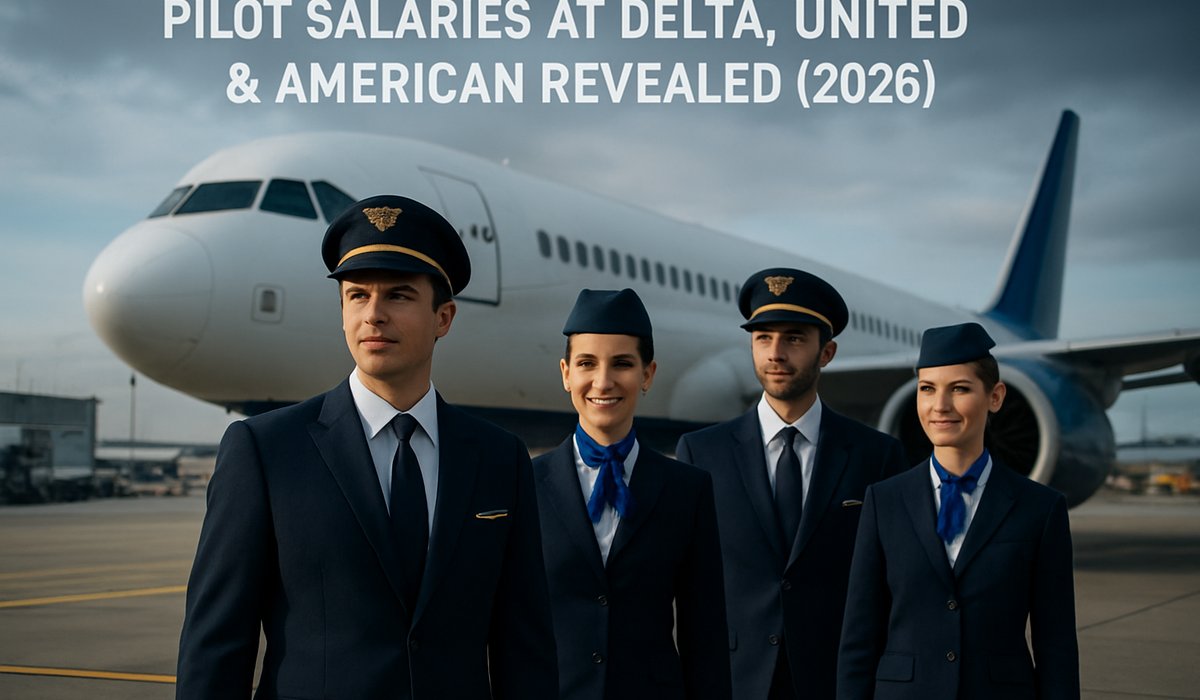
Image generated by AI
US Airline Pilot Salaries Surge to Record Levels in 2026 as Industry Grapples with Critical Crew Shortages
Major labor agreements reshape compensation at Delta, United, and American Airlines, signaling intense competition for qualified flight crews
Record-Breaking Earnings Reshape Commercial Aviation's Economics
Pilot compensation at America's three largest carriers has reached unprecedented levels heading into 2026, marking a dramatic shift in one of aviation's most closely monitored labor metrics. The surge reflects intense competition for experienced flight crew amid a deepening shortage of qualified pilots across the commercial aviation sector.
The three major US airlines—Delta Air Lines, United Airlines, and American Airlines—have secured new labor agreements that fundamentally reshape how the industry compensates its pilots. These contracts represent the most significant pay increases in recent memory, underscoring the leverage pilots have gained in negotiations and the desperation of carriers to retain experienced crew members.
What's Driving the Compensation Explosion?
Multiple factors have collided to create a perfect storm for pilot wage growth. The aviation industry continues to face a critical shortage of qualified flight crews, a challenge exacerbated by early retirements during the pandemic and rigorous certification requirements that create a multi-year pipeline for new pilots.
Additionally, strong post-pandemic travel demand has strained operational capacity at major carriers. Airlines competing aggressively for limited talent pools have little choice but to improve compensation packages. Regional carriers, which traditionally fed experienced pilots to major airlines, now struggle to retain crew members who can command higher pay at larger competitors.
Fuel prices and global geopolitical tensions—particularly in Eastern Europe—have also compressed airline margins, yet carriers have prioritized pilot retention as essential to maintaining flight schedules and revenue operations.
Transformation of the Pilot Career Path
The accelerated earnings timeline has fundamentally altered aviation's traditional career progression. Regional airline pilots, once viewed as stepping stones to major carrier positions, now command salaries approaching those offered by major airlines just a few years ago.
This structural shift carries significant implications for airline cost structures. As labor represents a substantial portion of operating expenses, elevated pilot compensation pressures pricing strategies and profitability across the industry. Some analysts suggest these costs may eventually be reflected in ticket prices and baggage charges for passengers.
The competition for crew resources demonstrates how labor market dynamics can reshape commercial aviation's financial foundations. What began as a crew shortage has evolved into a fundamental restructuring of compensation expectations across the entire industry.
FAQ: Pilot Salaries and Aviation Labor Trends
Q: How much are pilots earning at Delta, United, and American Airlines in 2026? A: While specific salary figures vary by seniority and aircraft type, pilot compensation at all three carriers has increased substantially, with first officers and captains receiving record base salaries and benefits packages negotiated in recent labor agreements.
Q: Why are pilot salaries increasing so dramatically? A: A critical shortage of qualified pilots, strong post-pandemic travel demand, and intense competition among carriers for experienced crew members have given pilots significant negotiating power.
Q: Will higher pilot salaries increase airfares for passengers? A: Potentially. Elevated labor costs may eventually be reflected in ticket pricing and ancillary fees, though airlines may absorb some costs through operational efficiencies.
Q: How has the pilot career path changed? A: Regional airline pilots now earn competitive salaries much earlier, accelerating the traditional progression timeline and making the career more financially attractive at all levels.
Q: What impact does this have on the broader aviation industry? A: Higher pilot compensation increases airline operating costs, potentially affecting profitability, pricing strategies, and investment in fleet modernization and other critical areas.
Related Travel Guides
Flight Delay Compensation Guide 2026
Understanding Airline Route Changes
Airport Security Process Updated (2026)
External Resources
Disclaimer
This article is for informational and educational purposes only. It does not constitute legal, financial, or professional advice. While we strive to provide accurate and up-to-date information, travel policies, regulations, and conditions change rapidly. Always verify information with official sources before making travel decisions. Nomad Lawyer makes no representations about the accuracy, reliability, completeness, or suitability of the information provided. Readers should consult qualified professionals for advice specific to their circumstances. The views expressed in this article are those of the author and do not necessarily reflect the views of Nomad Lawyer.
Preeti Gunjan
Contributor & Community Manager
A passionate traveller and community builder. Preeti helps grow the Nomad Lawyer community, fostering engagement and bringing the reader experience to life.
Learn more about our team →