
Qantas Takes Historic Step Toward Ultra-Long-Haul Revolution With First A350-1000ULR Delivery
Breaking airline news and aviation industry updates for 2026.

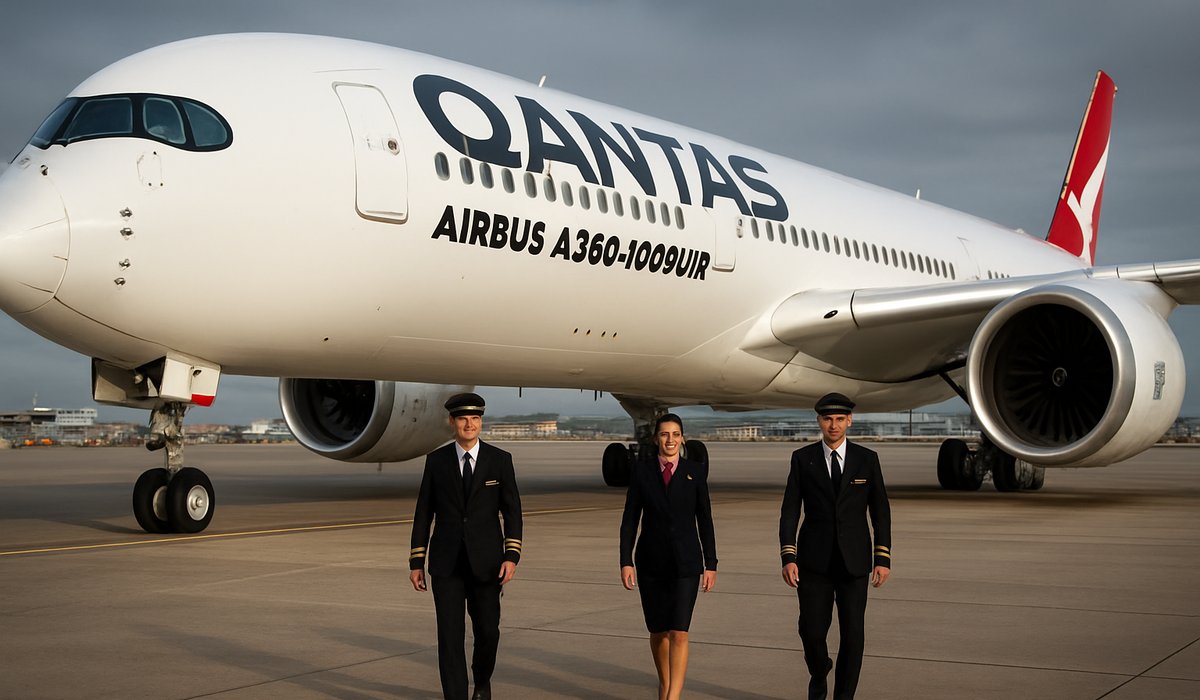
Image generated by AI
Qantas Takes Historic Step Toward Ultra-Long-Haul Revolution With First A350-1000ULR Delivery
Australian carrier's Project Sunrise aircraft emerges from Toulouse production facility, marking major milestone in aviation's push for non-stop intercontinental routes
Game-Changing Aircraft Arrives at Critical Juncture
Qantas has achieved a pivotal milestone in its ambitious ultra-long-haul strategy, with the airline's inaugural Airbus A350-1000ULR touching down at Toulouse-Blagnac Airport this week—complete with its advanced Rolls-Royce powerplant systems fully integrated. The aircraft represents the technological cornerstone of Project Sunrise, the carrier's landmark initiative to establish non-stop service connecting Sydney with London and New York, routes that have long remained logistically challenging for conventional widebody aircraft.
The A350-1000ULR variant, equipped with next-generation Rolls-Royce engines, delivers the extended-range capabilities essential for Qantas's transformative network expansion. These powerplants represent a significant advancement in fuel efficiency and operational range, reducing per-seat fuel consumption while enabling flights that push the boundaries of current aviation limits.
Project Sunrise: Reshaping Global Air Routes
Project Sunrise has become synonymous with Qantas's vision to eliminate intermediate stops on some of the world's longest city pairs. The airline's strategy capitalizes on growing demand for seamless, non-stop travel between Australia and Europe and North America—routes that typically require 17 to 20-hour flight times with existing aircraft configurations.
This development arrives amid broader industry trends toward ultra-long-range capabilities. As jet fuel prices remain volatile and airlines face mounting pressure to optimize operational efficiency, next-generation aircraft like the A350-1000ULR offer competitive advantages through improved aerodynamics, weight reduction, and engine performance that directly impact ticket pricing and profitability.
Industry Implications and Competitive Landscape
The arrival of Qantas's first A350-1000ULR signals intensifying competition in premium intercontinental travel. Airlines worldwide are investing in ultra-long-haul fleets to capture market share on high-yield routes, particularly business traveler segments willing to pay premiums for direct flights and reduced journey times.
Qantas's fleet modernization efforts underscore how legacy carriers are adapting to evolving travel demands and sustainability expectations. The A350-1000ULR's efficiency credentials—including lower carbon emissions per passenger compared to aging widebody fleets—position the aircraft as both an economic and environmental advantage in an increasingly scrutinized sector.
The aircraft's arrival in Toulouse represents a crucial step toward inaugural service launches, pending regulatory certification and crew training protocols. Industry observers anticipate Qantas will begin phased route introductions within the coming months, potentially reshaping long-haul travel expectations across the Asia-Pacific region.
Frequently Asked Questions
What is the A350-1000ULR, and how does it differ from standard long-range aircraft? The A350-1000ULR is Airbus's ultra-long-range variant equipped with advanced Rolls-Royce engines, specifically engineered to fly routes exceeding 20 hours non-stop. It combines weight optimization, aerodynamic improvements, and fuel-efficient engines to achieve ranges beyond conventional widebody aircraft.
How will Project Sunrise affect airline fees and ticket prices for Sydney-London-New York routes? Direct non-stop flights typically command premium fares, particularly for business-class passengers. However, operational efficiency gains from the A350-1000ULR may offset some costs, potentially stabilizing ticket prices while improving profit margins for Qantas.
What does this mean for jet fuel costs and aviation sustainability? The A350-1000ULR's advanced engines reduce fuel consumption per passenger by approximately 25% compared to older widebody aircraft, mitigating exposure to volatile jet fuel price fluctuations and supporting decarbonization goals across the aviation industry.
When will Qantas begin operating non-stop Sydney-London and Sydney-New York flights? Regulatory certification and crew training timelines suggest initial service launches may commence within the next 12-18 months, contingent on final approvals and operational readiness assessments.
How does this development impact competing airlines and the broader aviation industry? Qantas's ultra-long-haul capability will pressure competitors to accelerate similar fleet modernization programs, intensifying investment in next-generation aircraft and reshaping competitive dynamics on premium intercontinental routes globally.
Related Travel Guides
Flight Delay Compensation Guide 2026
Understanding Airline Route Changes
Airport Security Process Updated (2026)
External Resources
Disclaimer
This article is for informational and educational purposes only. It does not constitute legal, financial, or professional advice. While we strive to provide accurate and up-to-date information, travel policies, regulations, and conditions change rapidly. Always verify information with official sources before making travel decisions. Nomad Lawyer makes no representations about the accuracy, reliability, completeness, or suitability of the information provided. Readers should consult qualified professionals for advice specific to their circumstances. The views expressed in this article are those of the author and do not necessarily reflect the views of Nomad Lawyer.
Preeti Gunjan
Contributor & Community Manager
A passionate traveller and community builder. Preeti helps grow the Nomad Lawyer community, fostering engagement and bringing the reader experience to life.
Learn more about our team →