
AI-Driven Stability: Ending the Seasonal Slump in Rural Philippines Tourism
Rural hotels in the Philippines face occupancy crashes from 85% down to 15% during monsoon seasons. New AI integrations are now shielding these provincial eco

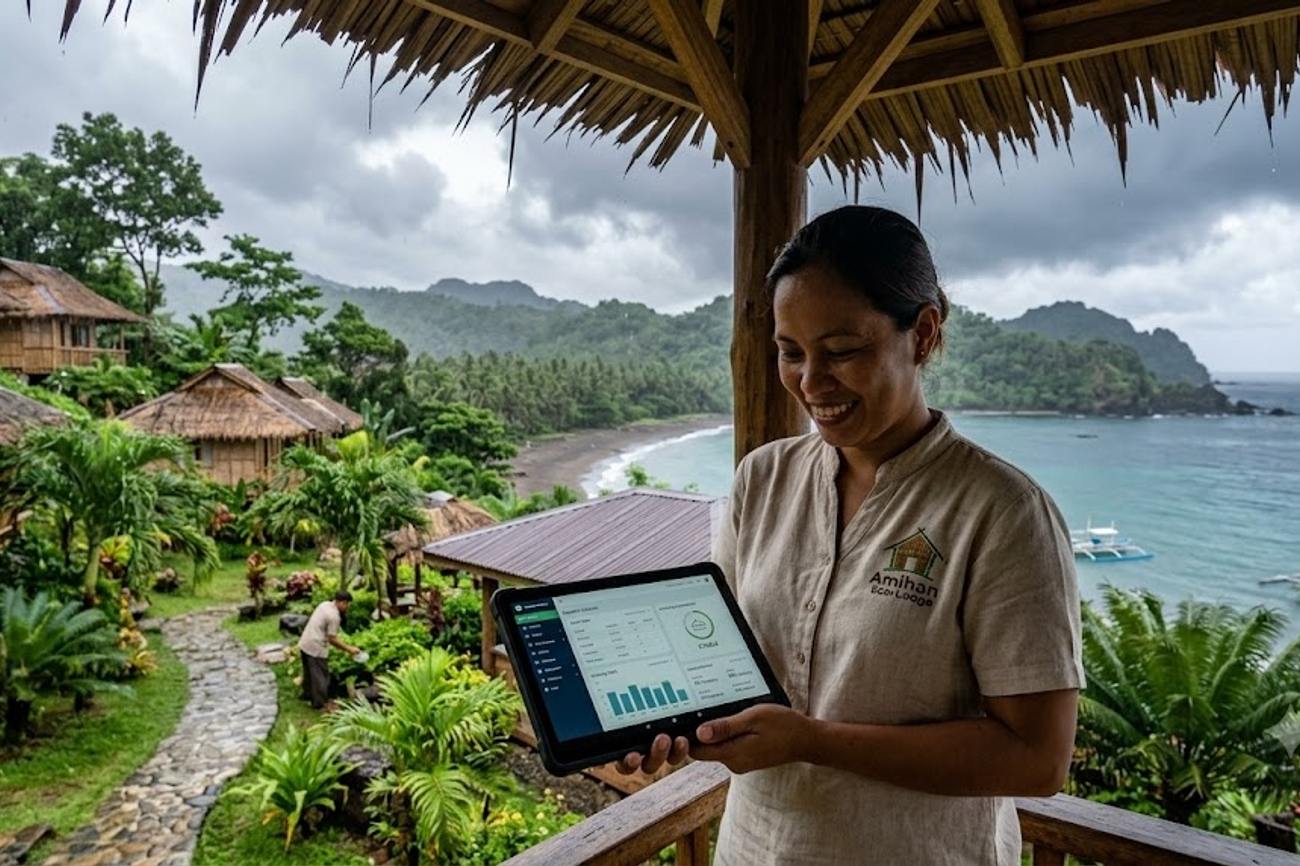
Image generated by AI
The economic heartbeat of rural Southeast Asia has long been dictated by the monsoon. In provinces like Isabela in northern Luzon, the transition from the dry season to the torrential rains isn't just a weather shift—it is a financial crisis. While peak periods see room occupancy rates between 70% and 85%, the wet season triggers a collapse, with occupancy plummeting to between 15% and 25%.
For the independent eco-resort or family-run farmstay, this volatility is devastating. Unlike city hotels that rely on steady corporate contracts, rural lodging depends on discretionary leisure travel. When the rains arrive, the revenue disappears, but the costs—property taxes, insurance, and the constant battle against tropical mold—remain fixed.
The High Cost of the "Off-Season"
The financial strain of these troughs is systemic. Data indicates that independent operators in secondary and tertiary destinations lose between 25% and 40% of their net annual operating profit simply by maintaining idle facilities during low-demand cycles.
Historically, hoteliers attempted to fight this by slashing prices. However, because travel to isolated provinces is price-inelastic during monsoons (meaning people won't visit regardless of how cheap the room is), aggressive discounting only serves to erode the Average Daily Rate (ADR) without increasing volume. This creates a dangerous cycle: as room rates drop by 20% to 45%, the break-even occupancy point actually rises, making it harder for the business to survive.
Operational Impact Comparison
| Parameter | Peak Period | Seasonal Trough | Annual Impact |
|---|---|---|---|
| Room Occupancy | 70% to 85% | 15% to 25% | 5–7 months of underutilisation |
| Room Rate (ADR) | Rack Rate to +35% | -20% to -45% | Severe margin erosion |
| Staff Retention | 100% + Seasonal | 30% to 50% Layoffs | Loss of local human capital |
| Fixed Cost Ratio | 18% to 25% of Rev | 65% to 90% of Rev | 25% to 40% net profit loss |
Beyond the Hotel: A Community Ripple Effect
The impact extends far beyond the lobby. In rural Luzon, tourism acts as a critical economic multiplier. When occupancy hits the 15% mark, the local fruit and vegetable farmers lose their primary procurement contracts, provincial transport drivers see a sharp drop in fares, and village handicraft cooperatives lose their direct pipeline to urban buyers.
To combat this, the Provincial Government of Isabela, in collaboration with local universities and tourism bodies, is deploying artificial intelligence to move from reactive survival to predictive management. By using AI to forecast demand and implement digital solutions, the region is working to decouple rural hospitality from the volatility of the weather.
Cultural & Environmental Value
For the visitor, this shift means a more sustainable way to experience the Philippines. By stabilizing the income of rural operators, the region reduces the need for desperate, high-impact land development and prevents the "brain drain" where skilled hospitality workers migrate to Manila. This AI-led stability supports the preservation of traditional farmstays and boutique eco-resorts that prioritize regional heritage over mass-market expansion.
Visitor Insider Tips
- The "Green" Window: For those visiting Isabela or the Cagayan Valley, the shoulder seasons (just before or after the peak monsoon) offer the best balance of lush, vibrant landscapes and lower crowds.
- Support the Multiplier: Seek out "Farm-to-Table" certified stays. These properties directly source from the smallholder farmers most affected by seasonal dips.
- Local Etiquette: When staying in rural homestays, a small gift for the host family or purchasing directly from the village handicraft cooperative provides direct economic support that bypasses larger agencies.
- Hidden Gem: Explore the upland territories during the early rainy season for breathtaking waterfalls that are often too dry to be impressive during the peak summer months.
Tourism Outlook
The integration of predictive AI in provincial governance marks a turning point for the Philippines. By smoothing out the "boom and bust" cycle of rural tourism, the region is building a resilient economy. The long-term goal is a year-round destination model where the "off-season" is no longer a period of financial survival, but a curated experience for a different type of traveler.
Explore More:
- [Sustainable Luxury in Southeast Asia]
- [Digital Nomad Guides for Rural Philippines]
- [Eco-Tourism Trends 2026]
Related Travel Guides
Disclaimer
This article is for informational and educational purposes only. It does not constitute legal, financial, or professional advice. While we strive to provide accurate and up-to-date information, travel policies, regulations, and conditions change rapidly. Always verify information with official sources before making travel decisions. Nomad Lawyer makes no representations about the accuracy, reliability, completeness, or suitability of the information provided. Readers should consult qualified professionals for advice specific to their circumstances. The views expressed in this article are those of the author and do not necessarily reflect the views of Nomad Lawyer.
Kunal K Choudhary
Co-Founder & Contributor
A passionate traveller and tech enthusiast. Kunal contributes to the vision and growth of Nomad Lawyer, bringing fresh perspectives and driving the community forward.
Learn more about our team →