
Sikkim Certifies 34 New Adventure Guides to Scale Himalayan Tourism Growth
Sikkim boosts Himalayan tourism as 34 youths complete intensive mountain guide training in Yuksom, focusing on safety, trekking, and ecotourism conservation.

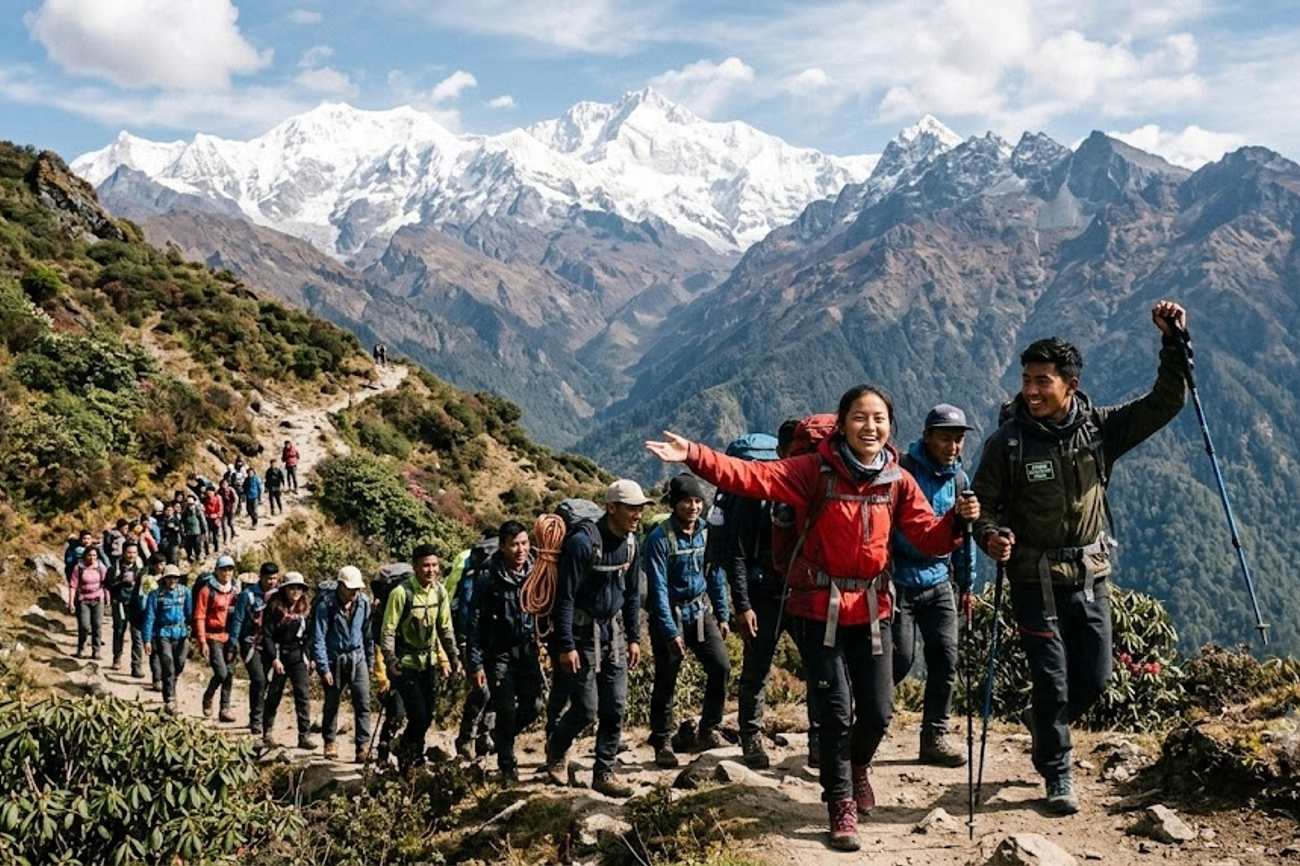
Image generated by AI
Sikkim Invests in Local Talent to Professionalize Mountain Guiding
[Gangtok, September 8, 2026] — Sikkim is aggressively restructuring its tourism framework by transitioning from informal guiding to a certified professional model. In a targeted move to bolster the state's adventure sector, 34 young residents from diverse districts have successfully completed an intensive 20-day government-led training program specializing in mountain guiding and adventure tourism.
The certification process, which concluded on September 5, was designed to bridge the gap between local geographical knowledge and international safety standards. By equipping youth with technical certifications, the state aims to increase the safety profile of Himalayan travel while creating sustainable employment pathways for its younger population.
Yuksom Serves as the Operational Hub for Field Training
The program was strategically headquartered in Yuksom, West Sikkim, from August 17 to September 5. As the primary gateway to the high-altitude landscapes of the Khangchendzonga region, Yuksom provided a living laboratory for the trainees. This location allowed participants to move beyond theoretical textbooks and engage directly with the terrain they will eventually manage for international and domestic tourists.
By utilizing Yuksom as a base, the training integrated classroom instruction with immediate field application. The proximity to established trekking corridors ensured that trainees could observe real-time logistical challenges, such as weather volatility and trail degradation, which are critical components of professional risk management in the mountains.
Rigorous Curriculum Blends Technical Skill and Safety
The 20-day syllabus was split between academic foundations and high-intensity physical training. The curriculum focused on a diverse array of adventure competencies to ensure the new guides are versatile across different tourism products.
Key technical areas covered during the training include:
- Trekking and Hiking: Advanced navigation and pace management for varied fitness levels.
- Technical Climbing: Introduction to rock climbing and the secure use of ropes and harnesses.
- Water Logistics: Safe river-crossing techniques and aquatic safety.
- Camp Management: Professional tent pitching and the organization of base camps in remote areas.
- Medical Response: Comprehensive first aid training designed for environments where emergency medical services are hours or days away.
The program emphasized that a guide's role extends beyond navigation; it requires a calm psychological approach to crisis management and the ability to communicate clearly under physical stress.
High-Altitude Application via the Dzongri Trek
The cornerstone of the certification was a grueling five-day expedition to Dzongri, located within the Khangchendzonga National Park. This trek served as the final practical examination, forcing trainees to apply their classroom knowledge to a multi-day, high-altitude scenario.
During the Dzongri expedition, trainees were tasked with managing group dynamics, monitoring the health of participants for altitude sickness, and executing precise route navigation. This experience provided a realistic simulation of the responsibilities inherent in professional guiding, specifically the need to balance the desires of the tourist with the safety requirements of the mountain.
Integrating Environmental Stewardship into Adventure Tourism
Recognizing the fragility of the Himalayan ecosystem, the government integrated ecotourism and conservation into the core curriculum. The training addressed the paradox of adventure tourism: the desire to visit pristine nature often leads to its degradation.
Trainees were educated in strict waste management protocols and the principles of "Leave No Trace" tourism. By training guides to be environmental stewards, Sikkim is positioning itself to attract a higher demographic of conscious travelers who prioritize sustainability. This approach ensures that the growth in tourist arrivals does not result in the permanent scarring of the Khangchendzonga National Park's biodiversity.
Impact Analysis: Economic and Safety Implications
The certification of these 34 individuals creates an immediate ripple effect across the local economy. By shifting toward a certified workforce, Sikkim reduces the liability risks associated with unregulated trekking and increases the potential for higher-value tourism packages.
| Training Component | Duration/Scope | Primary Objective |
|---|---|---|
| Total Program Length | 20 Days | Professional Certification |
| Field Location | Yuksom, West Sikkim | Practical Application |
| Core Expedition | 5-Day Dzongri Trek | High-Altitude Management |
| Participant Count | 34 Youths | Local Employment Generation |
| Key Skills | First Aid, Climbing, Ecotourism | Safety & Sustainability |
From a logistical standpoint, this move reduces the state's reliance on outside agencies and empowers local entrepreneurs. The program encourages these youths not only to seek employment but to launch their own sustainable tourism enterprises, thereby keeping the economic benefits of tourism within the local communities.
Why This Matters: The Shift Toward "High-Value, Low-Impact" Travel
For the traveler, the professionalization of Sikkim's guide workforce means a significant upgrade in safety and experience. In the past, Himalayan trekking often relied on "legacy knowledge" passed down through generations. While valuable, this lacks the standardized first-aid and risk-assessment protocols required in modern adventure travel.
From a logistical perspective, having a pool of certified guides who understand both the technicalities of a rope-cross and the ethics of waste management transforms the tourist experience from a simple hike into a curated, safe, and ethical expedition. This transition is essential for any destination seeking to move away from mass tourism and toward a "high-value, low-impact" model. For the local youth, this is more than a job—it is a professionalization of their heritage, turning ancestral knowledge of the land into a globally recognized skill set.
Related Travel Guides
Disclaimer
This article is for informational and educational purposes only. It does not constitute legal, financial, or professional advice. While we strive to provide accurate and up-to-date information, travel policies, regulations, and conditions change rapidly. Always verify information with official sources before making travel decisions. Nomad Lawyer makes no representations about the accuracy, reliability, completeness, or suitability of the information provided. Readers should consult qualified professionals for advice specific to their circumstances. The views expressed in this article are those of the author and do not necessarily reflect the views of Nomad Lawyer.
Naina Thakur
Contributor & Travel Specialist
Travel enthusiast and legal writer covering visa regulations, responsible tourism, and cultural journeys across global destinations.
Learn more about our team →