
Philippines Boosts Camiguin Dive Training to Capture Asia's High-Value Ocean Tourism Growth 2026
The Philippines is intensifying professional dive training and safety certifications in Camiguin to attract high-spending global travelers as Asia-Pacific ocean tourism grows by 11% annually.

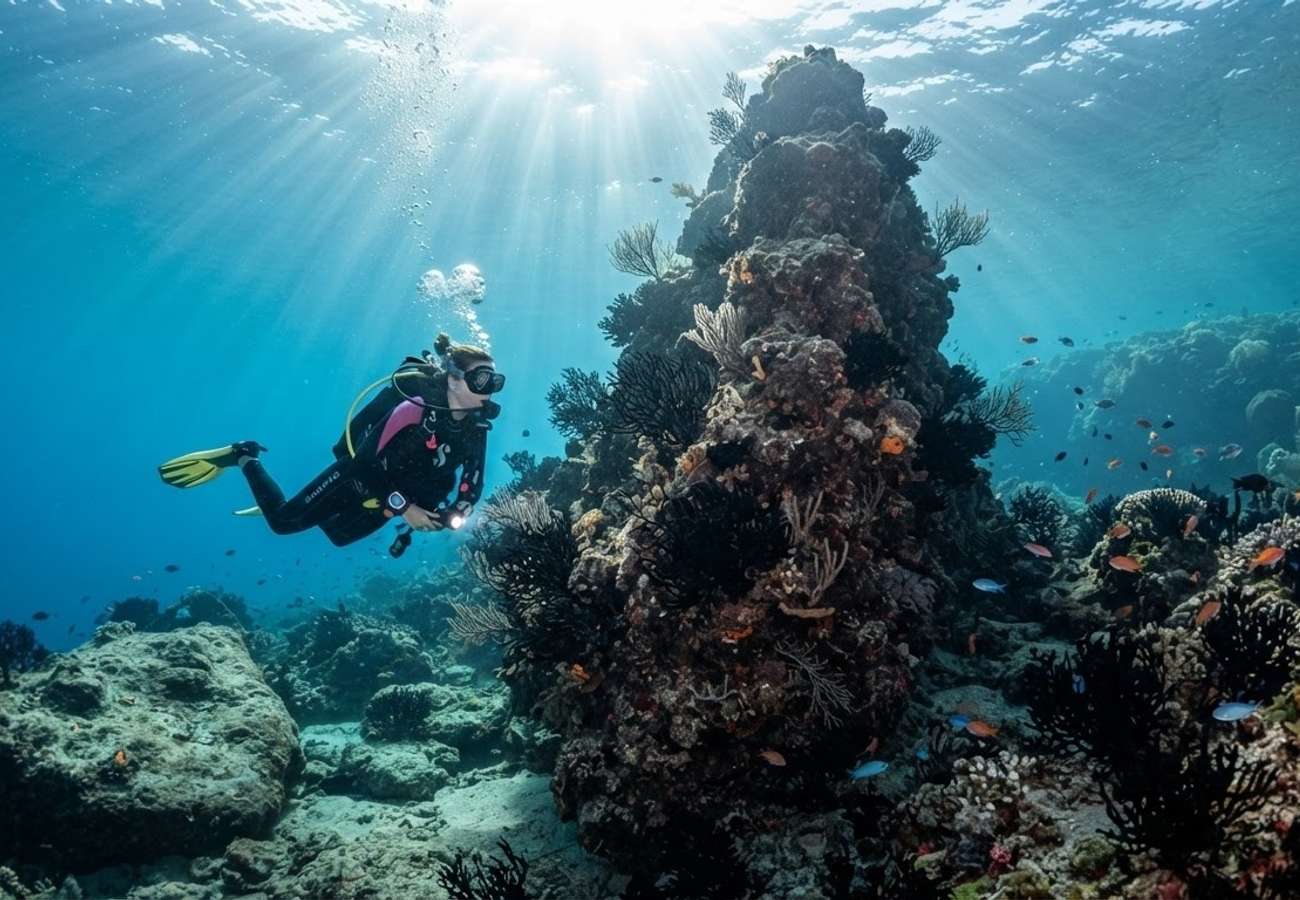
Image generated by AI
Asia-Pacific dive tourism is projected to grow by over 11% annually through the end of the decade. To capitalize on this, the Philippines is aggressively professionalizing dive operations in Camiguin to attract high-spending global adventurers.
The island province of Camiguin is undergoing a strategic transformation. No longer just a domestic secret known for its volcanic peaks, the province is now the center of a targeted push by Northern Mindanao tourism authorities to establish the region as a competitive, high-value dive hub. By aligning local skills with international accreditation, the Philippines aims to pivot Camiguin from a casual snorkeling spot to a premier destination for technical diving and marine conservation.
The Shift Toward High-Value Ocean Tourism
The current strategy focuses on moving beyond mass tourism toward "high-value" segments—travelers who stay longer, spend more, and prioritize environmental ethics. This shift is a response to a broader regional trend where the global diving industry is valued in the mid-single-digit billions of dollars, with double-digit annual growth expected through the early 2030s.
For the visitor, this means a noticeable upgrade in the ground experience. The training drive isn't just for the divers, but for the entire ecosystem of support. Local government documents reveal a comprehensive rollout of certification programs for:
- Professional Dive Guides: Moving toward international safety norms and technical proficiency.
- Boat Crews: Training in reef-safe navigation and passenger safety.
- Community Operators: Upskilling homestay and transport providers to meet the expectations of luxury and adventure travelers from North America, Europe, and East Asia.
Preserving Natural Capital through Professionalism
Camiguin’s primary assets are its black coral gardens and dramatic underwater volcanic formations. The risk of increased footfall is reef degradation; however, the 2026 training initiative integrates marine stewardship directly into professional certification.
Rather than treating conservation as a separate policy, the Philippines is embedding reef-safe practices into the daily operations of dive shops. This includes mandatory training in protected area management and visitor education. By professionalizing the workforce, the region aims to ensure that the surge in arrivals does not compromise the fragile marine ecosystems that drive the economy.
Visitor Insider Tips for Camiguin
To make the most of a trip to this emerging hub, travelers should look beyond the standard brochures:
- Optimal Visit Window: To avoid the peak crowds and enjoy the clearest visibility for diving, visit between March and June.
- Local Specialty: While diving is the draw, don't miss the local Pastel (a sweet custard roll), a regional delicacy that supports local bakeries.
- Cultural Etiquette: When visiting marine sanctuaries, always check in with the local Bantay Dagat (Sea Wardens). They are the true keepers of the reef and can often point you toward under-the-radar dive spots not listed on maps.
- Eco-Practice: Use only biodegradable, reef-safe sunscreen. Local operators are increasingly strict about chemical pollutants entering the volcanic slopes.
Economic Impact and Regional Outlook
The professionalization of Camiguin is a blueprint for other emerging sites in the Philippines. By diversifying source markets—specifically targeting the US, South Asia, and East Asia—the province is reducing its reliance on seasonal domestic travel.
The long-term outlook suggests that this training-led approach will create a more resilient local economy. When boat operators and guides hold formal certifications, their earning potential increases, and the risk of accidents drops, sustaining long-term visitor confidence. As the Asia-Pacific region continues to outpace mature diving markets, Camiguin is positioned to be a cornerstone of the Mindanao tourism circuit.
A strategic blend of safety and sustainability is turning a volcanic outpost into a world-class underwater sanctuary.
Related Travel Guides
Disclaimer
This article is for informational and educational purposes only. It does not constitute legal, financial, or professional advice. While we strive to provide accurate and up-to-date information, travel policies, regulations, and conditions change rapidly. Always verify information with official sources before making travel decisions. Nomad Lawyer makes no representations about the accuracy, reliability, completeness, or suitability of the information provided. Readers should consult qualified professionals for advice specific to their circumstances. The views expressed in this article are those of the author and do not necessarily reflect the views of Nomad Lawyer.
Raushan Kumar
Founder & Lead Developer
Full-stack developer with 11+ years of experience and a passionate traveller. Raushan built Nomad Lawyer from the ground up with a vision to create the best travel and law experience on the web.
Learn more about our team →