
Philippines Boosts Camiguin Dive Tourism With Specialized Training Hubs and Infrastructure in 2026
The Philippines is transforming Camiguin into a premier underwater travel hub by launching new vocational training centers and scaling professional dive and freedive instructor programs.

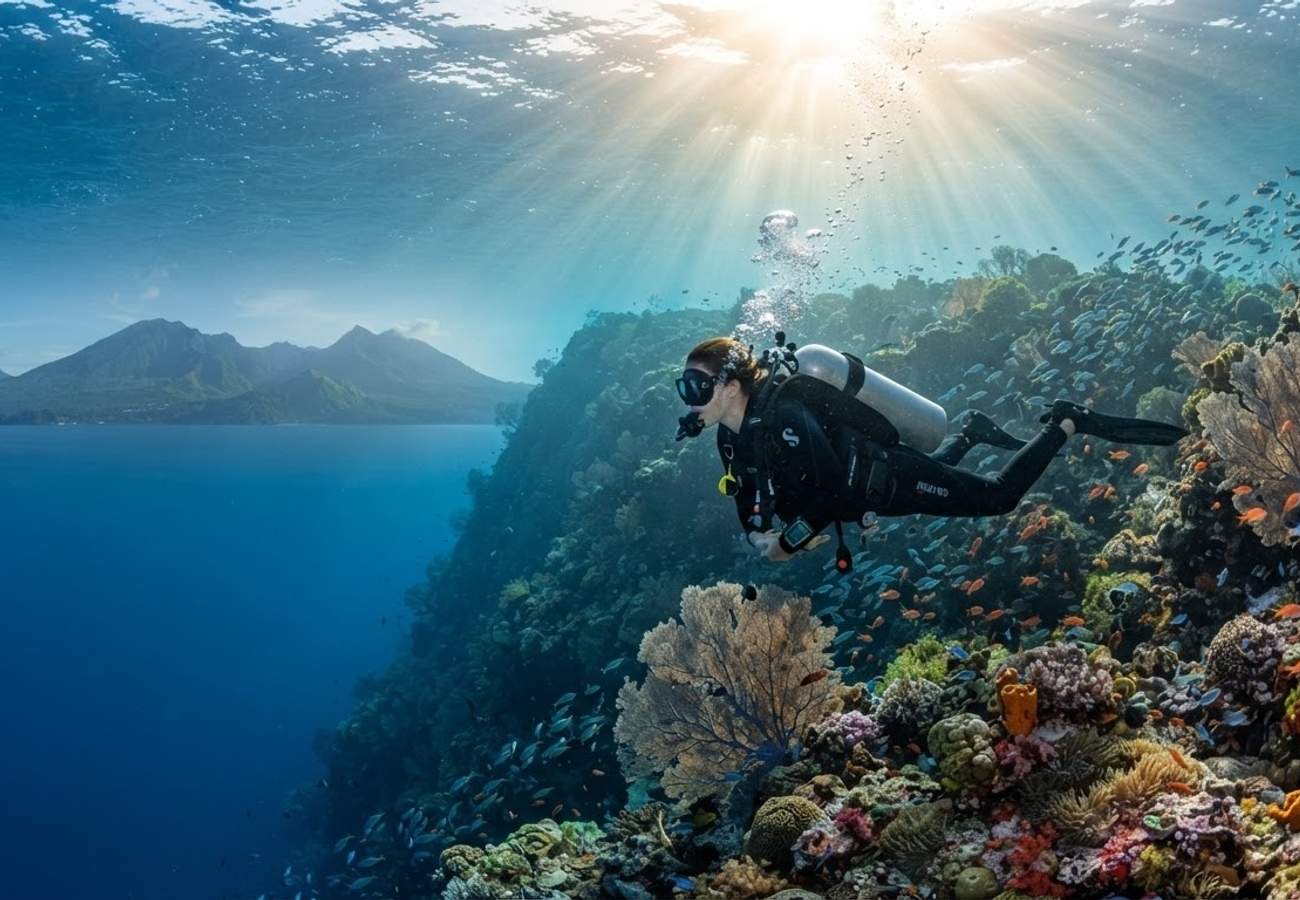
Image generated by AI
The Philippines is aggressively targeting the high-spending ocean tourism market by transforming Camiguin into a specialized center for underwater excellence. Through a combination of new vocational hubs and expanded professional certifications, the volcanic island is positioning itself as a primary Asian destination for certified diving and freediving talent.
As the global demand for premium marine experiences surges, the Philippine government and private sector are shifting their strategy toward "high-value" travelers. While established hotspots like Batangas, Bohol, and Cebu continue to draw crowds, Camiguin is being developed as a sophisticated, niche alternative. This pivot focuses on longer-stay visitors who prioritize professional training and advanced certifications over short-term sightseeing.
Camiguin's Strategic Shift Toward Professional Dive Tourism
Located in Northern Mindanao, the island province of Camiguin is leveraging its unique geological assets to attract a more disciplined segment of the travel market. The region is characterized by lava-formed topography, steep underwater drop-offs, and vibrant coral gardens. These features provide a diverse training ground that caters to both novice divers and seasoned professionals.
Industry data indicates a clear transition in the island's tourism profile. Once viewed primarily as a quiet stop for backpackers, Camiguin is now evolving into a structured dive hub. The concentration of accredited dive centers and freediving schools around Mambajao and various coastal barangays allows the island to offer year-round specialty courses. By offering a quieter environment than the more commercialized hubs in the Philippines, Camiguin is attracting travelers who seek extended, focused underwater itineraries.
Vocational Hubs and Hospitality Upgrades in Northern Mindanao
To support this growth, the Philippine government has implemented a series of workforce development programs. In early 2025, reports from the Philippine Information Agency detailed the rollout of hospitality skills training for tourism frontliners. These programs were specifically designed to standardize guest handling and safety protocols across the island's transport providers, resorts, and activity operators.
The infrastructure for professional development was further strengthened in 2026 with the launch of the Catarman Training and Assessment Center. Operated by the Technical Education and Skills Development Authority (TESDA), this center provides competency-based vocational training. This facility ensures a steady pipeline of qualified personnel for boat crews, dive shop operations, and resort management, directly linking local employment to the growth of the "blue economy."
Scaling Professional Freedive and Scuba Instructor Programs
The private sector is mirroring these public efforts by expanding the complexity of their offerings. Local dive schools have moved beyond basic certifications to offer high-level instructor training and professional internships.
In the freediving sector, some schools now promote month-long intensive tracks. These programs combine depth training with pedagogical practice, aiming to produce instructors capable of working across the broader Asian freediving circuit. These courses utilize periodized training plans and rigorous safety systems to appeal to professionals who demand high-quality mentorship.
Simultaneously, scuba centers are bundling advanced open water and rescue certifications with premium accommodation packages. This strategy targets the "high-value" traveler—individuals who are willing to spend more on extended stays in exchange for recognized international certifications and expert-led guided dives.
Safety Infrastructure and International Market Readiness
Recognizing that safety is the primary concern for high-spending international divers, regional tourism planners in Northern Mindanao are prioritizing critical infrastructure. Reports from early 2026 highlight plans to install a hyperbaric chamber on the island to manage dive-related emergencies locally, reducing the risk and time associated with medical evacuations.
On a national scale, the Department of Tourism is working to professionalize the industry through stricter accreditation targets for guides and establishments. The Philippine Commission on Sports Scuba Diving remains the central authority for setting these safety and operational standards.
Furthermore, government-backed investments in ports and transport facilities are aimed at reducing transfer times for long-haul visitors. For the premium traveler, these logistical improvements—combined with enhanced emergency response options—are often the deciding factors when choosing a destination over a competitor.
Analyzing the Demand for Premium Ocean Travel in Asia
The drive to professionalize Camiguin occurs during a period of robust recovery for Philippine tourism. National statistics show a significant rebound in international arrivals, with a growing percentage of revenue coming from nature-based and experiential travel.
Market research into Asian luxury travel reveals a sustained appetite for high-end marine experiences, including private-island stays and conservation-focused expeditions. Despite global economic fluctuations, Southeast Asia remains a primary growth region for affluent travelers who prioritize safety credentials and professional infrastructure.
By aligning its vocational training, safety investments, and private-sector certifications, Camiguin is positioning itself to capture a disproportionate share of this market. The island is no longer just a destination for leisure; it is becoming a credentialing hub for the underwater world.
Why This Matters: The Impact on the Modern Traveler
For the traveler, this shift represents a move away from "mass tourism" and toward "specialized tourism." When a destination invests in a hyperbaric chamber and TESDA-certified staff, it lowers the risk profile for the visitor. From a logistical standpoint, this means that a diver can now pursue a professional instructor certification in a remote Philippine province with the same confidence they would have in a major global hub. For the local economy, this creates a sustainable cycle where higher-spending visitors support higher-paying, skilled jobs for residents, moving the island away from seasonal dependence and toward a stable, professionalized service economy.
Camiguin is evolving from a hidden gem into a certified powerhouse of Asian underwater tourism.
Related Travel Guides
Disclaimer
This article is for informational and educational purposes only. It does not constitute legal, financial, or professional advice. While we strive to provide accurate and up-to-date information, travel policies, regulations, and conditions change rapidly. Always verify information with official sources before making travel decisions. Nomad Lawyer makes no representations about the accuracy, reliability, completeness, or suitability of the information provided. Readers should consult qualified professionals for advice specific to their circumstances. The views expressed in this article are those of the author and do not necessarily reflect the views of Nomad Lawyer.
Raushan Kumar
Founder & Lead Developer
Full-stack developer with 11+ years of experience and a passionate traveller. Raushan built Nomad Lawyer from the ground up with a vision to create the best travel and law experience on the web.
Learn more about our team →