
Carnival Cruise Line Expands Onboard Recycling and Circular Waste Systems Across Global Fleet in 2026
Carnival Cruise Line is transforming its fleet into floating resource recovery centers, reporting over 25 million pounds of material recycled in 2025 as part of a broader circular-economy strategy.

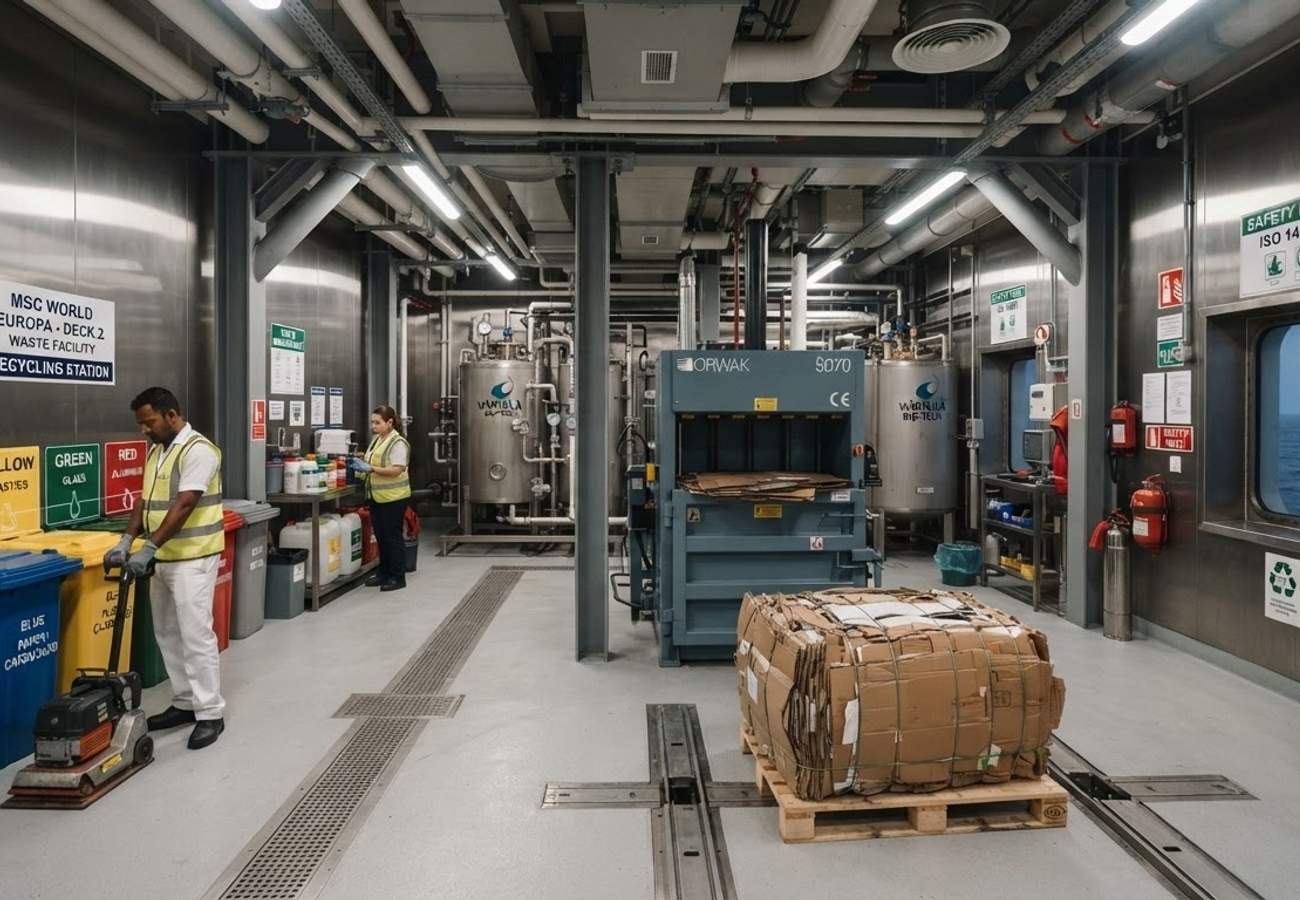
Image generated by AI
Carnival Cruise Line is converting its vessels into floating resource recovery centers to aggressively reduce maritime waste. The company reported diverting more than 25 million pounds of material in 2025 alone.
Maritime Resource Recovery Infrastructure
Carnival Cruise Line has shifted its operational model from traditional waste disposal to a circular-economy strategy. This transition involves the installation of specialized recycling centers across the fleet, designed to separate, compact, and store materials before they reach shore-based facilities.
These lower-deck logistics hubs utilize industrial balers and compactors to process five primary waste streams:
- Paper
- Cardboard
- Plastics
- Metals
- Glass
To maintain these systems, Carnival has deployed dedicated environmental staff on larger vessels and implemented mandatory training modules for all hotel and galley crews. This ensures that sorting occurs at the point of generation, preventing the contamination of recyclable streams.
Waste Diversion Statistics and Material Targets
Analysis of the company's 2025 environmental data reveals the scale of the operation. The diversion of 25 million pounds of material includes not only dry recyclables but also scrap metal and used cooking oil.
The broader corporate strategy focuses on three primary levers of waste reduction:
Procurement Shifts Carnival is modifying supplier contracts to mandate recyclable packaging and consolidated ordering formats. This reduces the volume of plastic wrap and cardboard entering the ship's ecosystem.
Organic Waste Processing Select vessels are now equipped with biodigesters. These systems process organic material onboard, reducing the weight and volume of food waste that must be offloaded at port.
Single-Use Plastic Elimination The corporation is replacing individually packaged items with bulk dispensers and reusable alternatives across its various brands.
Passenger Experience and Onboard Integration
Sustainability measures are becoming a visible part of the guest experience. On ships such as the Carnival Firenze, the company has integrated educational components, including demonstrations of sorting stations and biodigester technology.
Passengers will observe several operational changes:
- Enhanced Sorting Points: Clearly labeled bins for bottles, cans, and paper are now positioned in high-traffic areas, including buffet zones and pool decks.
- Resource Conservation: Expanded linen and towel reuse programs and water-efficiency campaigns.
- Educational Outreach: In-cabin materials and announcements detailing how passenger sorting behaviors impact the ship's total diversion metrics.
Integration with Food Waste Reduction
The recycling expansion operates in tandem with the "Less Left Over" strategy. This program focuses on reducing food waste intensity, which is a primary driver of maritime environmental impact.
Data indicates a 44 percent reduction in unit food waste compared to 2019 levels. By surpassing its interim 2025 goals, Carnival is positioning itself to meet more aggressive 2030 targets. In specific jurisdictions where local regulations permit, the company has also piloted food donation programs to redistribute surplus meals to local organizations.
Passenger Rights & Advisory: Environmental Standards
For the affected passenger, these changes signal a shift in the "contract of carriage" regarding onboard amenities. As cruise lines move toward bulk dispensers and the elimination of single-use plastics, passengers should be aware of the following:
Amenity Expectations Our analysis suggests that passengers should no longer expect individual miniature toiletries or single-use plastic water bottles. Those with specific medical needs for disposable items should pack accordingly.
Compliance and Cooperation While passengers are not legally mandated to sort waste, failure to follow onboard signage can lead to "contamination," rendering entire batches of recyclables unprocessable. Passengers are encouraged to utilize the labeled sorting stations to support the vessel's environmental certifications.
Port-Side Impact The efficiency of these onboard systems directly impacts port turnaround times. By compacting waste at sea, Carnival reduces the time required for waste offloading, potentially reducing the risk of port-related departure delays.
Industry Analyst View
The move toward "resource recovery centers" is a strategic response to increasing pressure from port authorities and maritime regulators. By providing transparent data on waste flows, Carnival is mitigating the risk of fines and improving its standing with port reception facilities.
The integration of biodigesters and industrial balers indicates that cruise lines are moving toward self-sufficiency in waste management. This reduces the reliance on shore-side infrastructure, which is often overwhelmed by the sheer volume of waste generated by modern mega-ships.
The transition from waste disposal to resource recovery marks a pivotal shift in the cruise industry's operational DNA.
Related Travel Guides
Disclaimer
This article is for informational and educational purposes only. It does not constitute legal, financial, or professional advice. While we strive to provide accurate and up-to-date information, travel policies, regulations, and conditions change rapidly. Always verify information with official sources before making travel decisions. Nomad Lawyer makes no representations about the accuracy, reliability, completeness, or suitability of the information provided. Readers should consult qualified professionals for advice specific to their circumstances. The views expressed in this article are those of the author and do not necessarily reflect the views of Nomad Lawyer.
Preeti Gunjan
Contributor & Community Manager
A passionate traveller and community builder. Preeti helps grow the Nomad Lawyer community, fostering engagement and bringing the reader experience to life.
Learn more about our team →