Philippines ASEAN Summit 2026: Showcasing Filipino Wellness, Gastronomy, and MSMEs to Global Media

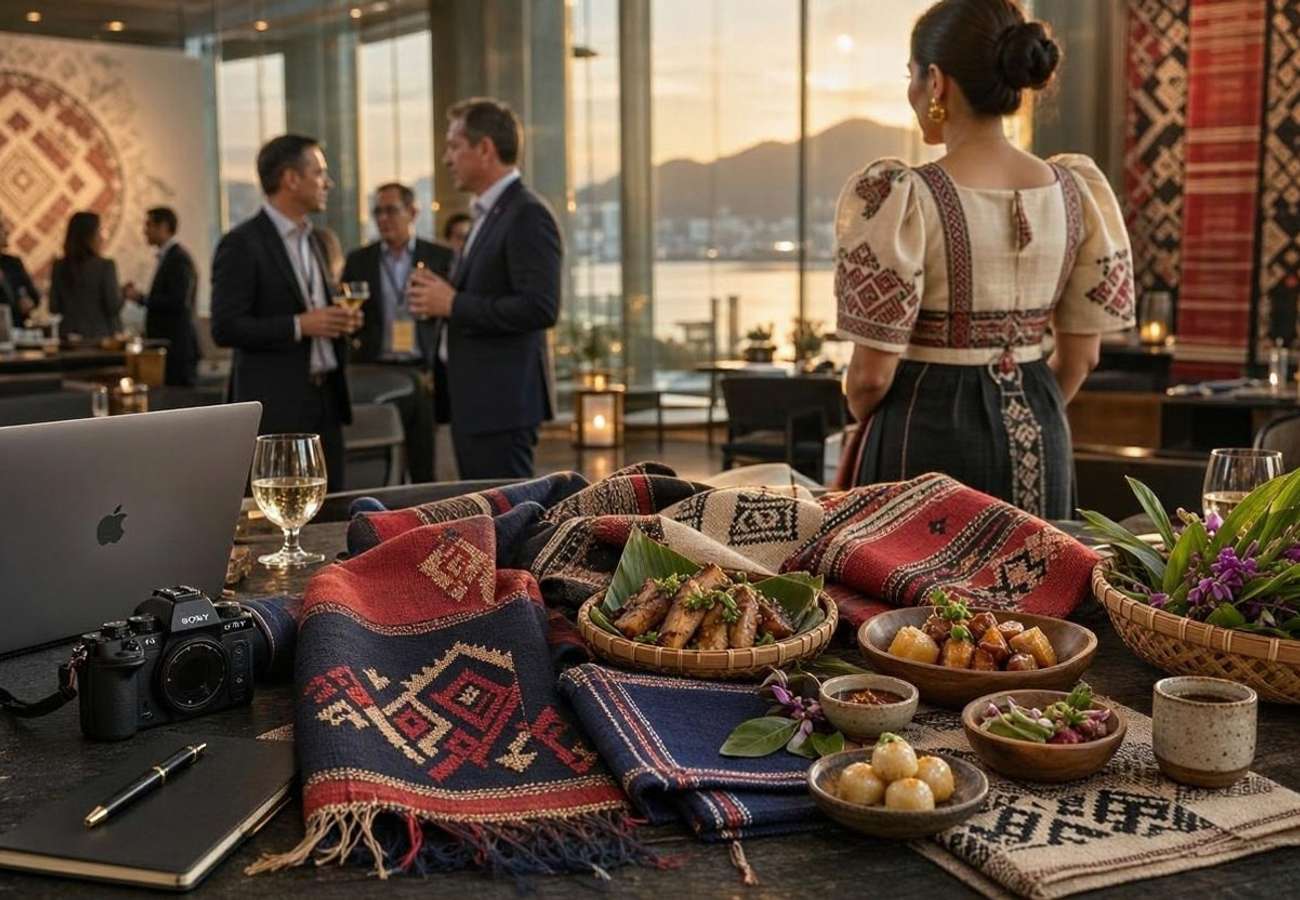
Image generated by AI
While international journalists gather to cover high-level diplomacy, the real story in Pasay City is the transformation of a media hub into a living museum of Filipino identity. The 49th ASEAN Summit has turned the International Media Center (IMC) into a strategic gateway, ensuring that the world's most influential media professionals experience the archipelago's hospitality without ever leaving their workstations.
The Diplomatic Hub Turned Cultural Showcase
The World Trade Center Metro Manila in Pasay City currently serves as the nerve center for the ASEAN International Media Center. Typically, these hubs are sterile environments of cables and laptops, but the Department of Tourism (DOT) has pivoted this space into a promotional engine. By integrating a Philippine MSME Hub, a regional gastronomy station, and a wellness center directly into the media operations zone, the Philippines is leveraging the presence of accredited journalists to bypass traditional advertising.
Tourism Secretary Dita Angara-Mathay has framed this hosting strategy around two distinct pillars: facilitating substantive regional agreements for ASEAN and maximizing the global visibility of Filipino heritage. This approach recognizes that the journalists covering the summit are not just reporters, but influential tastemakers who can amplify the country's appeal as a premier travel destination.
What Makes the Manila Experience Different
Unlike standard tourism fairs, this integration allows delegates to engage with the "soul" of the Philippines through sensory experiences. The focus is on authentic, regional diversity rather than a generic national brand.
The culinary experience is centered on regional gastronomy, where free samples of local delicacies are provided to media representatives. This allows the DOT to highlight the specific flavors of different provinces, positioning food tourism as a primary draw. Complementing the food is the Philippine Health and Wellness station, which introduces the world to Hilot—the ancient Filipino art of healing and massage. By offering these therapeutic sessions to stressed journalists on deadline, the summit creates a visceral, positive association with Filipino wellness traditions.
Commercial Impact and Local Integration
The summit has proven that cultural curiosity translates into immediate economic gain for local artisans. The Philippine MSME Hub, which features products from micro, small, and medium enterprises across the islands, has become a commercial success within the media center.
Summit Tourism Economic Snapshot
| Feature | Metric/Detail | Financial Impact/Value |
|---|---|---|
| MSME Hub Sales | Locally manufactured goods | Php 914,522 |
| PHLPost Station | Postal services/Postcards | Php 32,010 |
| Gastronomy | Regional food samples | Complimentary/Promotional |
| Wellness | Traditional Hilot Massage | Complimentary/Promotional |
| Location | World Trade Center Metro Manila | Pasay City, Philippines |
Beyond the high-ticket items, the inclusion of a PHLPost station at The Tent adds a nostalgic layer to the event. By providing free travel postcards, the organizers have encouraged delegates to engage in a traditional form of communication, bridging the gap between modern digital broadcasting and old-world travel memories.
Visitor Insider Tips
For those visiting Manila during major summits or looking to explore the themes highlighted at the IMC, keep these local nuances in mind:
- The Pasay Pivot: If you are based near the World Trade Center, avoid the main arteries during peak summit hours. Use ride-hailing apps like Grab, but set your pickup points a block away from the main gates to avoid the heaviest security bottlenecks.
- Wellness Etiquette: When experiencing Hilot, remember it is more than a massage; it is a holistic healing practice. Be prepared for a slower pace and a focus on energy balance.
- Gastronomy Hack: Don't stick to the "famous" dishes like Adobo. Look for regional specialties from the Bicol or Ilocos regions—these often feature the boldest flavors and are the highlights of the DOT's current regional push.
- Shopping Local: When browsing MSME hubs, look for "Handwoven" certifications. The Philippines has incredible weaving traditions (like Piña or Inabel) that are highly prized by collectors.
Cultural and Environmental Context
The decision to center the summit's tourism efforts on MSMEs reflects a broader shift toward inclusive growth. By bringing small-scale producers from remote provinces into the World Trade Center, the government is attempting to decentralize the benefits of tourism. Instead of the revenue staying within large hotel chains or tour operators, a portion of the global spotlight is directed toward the grassroots entrepreneurs who preserve traditional crafts.
However, this surge in interest also brings the challenge of scalability. As Hilot and regional cuisines gain global traction, there is a delicate balance between commercializing these traditions and preserving their authenticity. The DOT's strategy here is to use the summit as a "teaser," encouraging visitors to travel beyond Manila to the actual provinces where these traditions originate, thereby spreading the economic impact across the archipelago.
FAQ: Visiting the Philippines 2026
What is the best time to visit Manila? The coolest and driest months are from December to February. However, if you want to experience the regional festivals highlighted at the ASEAN summit, the summer months (March to May) are ideal for visiting the provinces.
Do I need a visa for the Philippines? Visa requirements vary by nationality. Many tourists from ASEAN countries and several Western nations enjoy visa-free entry for short stays. Always check the latest regulations via the official government portal before booking.
How do I get from NAIA airport to Pasay City? Pasay City is very close to Ninoy Aquino International Airport (NAIA). The most reliable method is a registered airport taxi or a Grab car. Avoid unmetered "white taxis" to ensure a fair price.
Is it safe for solo travelers? Yes, Manila is generally safe for solo travelers, especially in developed areas like Pasay, Makati, and BGC. Use common sense, keep valuables secure in crowded areas, and use reputable transport services.
From high-stakes diplomacy to the healing touch of Hilot, the Philippines is proving that the best way to win over the world is through the heart—and the stomach.
Related Travel Guides
This article is for informational purposes. Flight routes, passenger regulations, visa rules, and transit advisories are subject to change by airlines and aviation authorities. Readers are advised to verify schedules and travel documentation with relevant carriers and border agencies before departure.
Related Stories
Morocco Cultural Showcase at Francophonie Village 2026: Travel Logistics for Phnom Penh
Antigua and Barbuda to Host SOTIC 2027 Caribbean Tourism Conference with Jamaica and Regional Leaders