
Paris Tourism Hit by Fontainebleau Wildfire Crisis as Water-Bombing Aircraft Deploy from Seine River in 2026
Emergency services deploy aerial firefighting aircraft to scoop water from the Seine River to combat a major wildfire threatening the Fontainebleau forest and historic royal palace during a severe 2026 European heatwave.

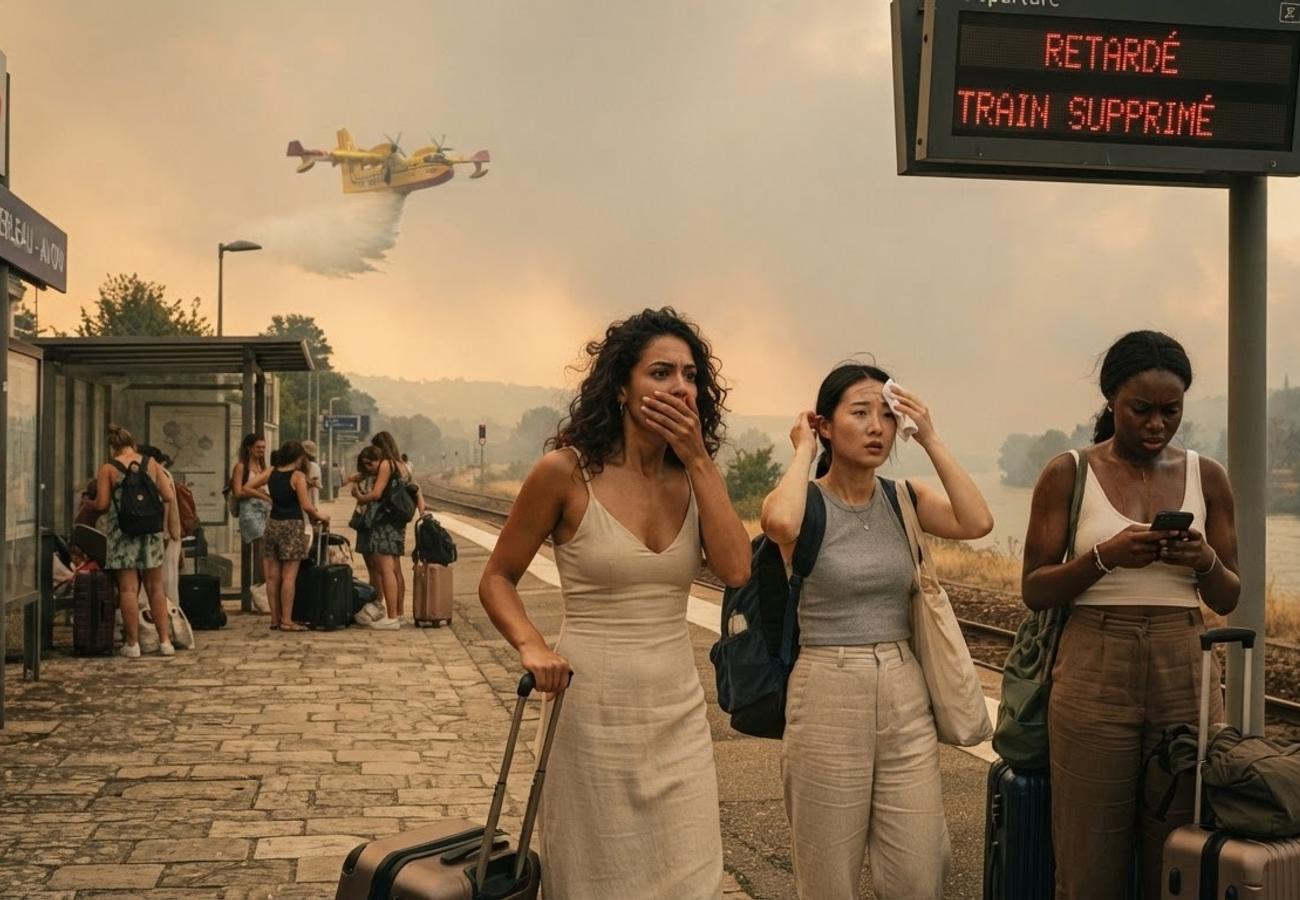
Image generated by AI
France has entered a critical safety phase as a major wildfire threatens the Fontainebleau forest region, prompting the deployment of specialized water-bombing aircraft. This emergency response occurs amidst a severe European heatwave, where rising temperatures and arid conditions have significantly heightened the risk of uncontrolled blazes across the country.
To combat the flames, firefighting aircraft are actively scooping water from the Seine River to protect one of France's most vital tourism corridors. The crisis underscores the growing intersection between climate volatility and the stability of high-traffic international travel destinations.
Emergency Response and Aerial Tactics in the Paris Region
The scale of the Fontainebleau emergency has necessitated an intensive aerial operation. Specialized water-bombing planes, typically reserved for the more fire-prone southern regions of France, have been repositioned near the capital. These aircraft are utilizing the Seine River as a primary water source, transporting large volumes of water to drop directly onto the affected forest zones.
This strategic use of the Seine is part of a coordinated effort between aerial units and ground crews. The operation is particularly complex due to the forest's proximity to major transport arteries and densely populated tourism hubs. This deployment signals a shift in France's emergency preparedness, as climate patterns bring wildfire risks to regions previously considered less vulnerable.
Impact on Paris Tourism and the Fontainebleau Heritage Site
The wildfire is directly threatening the Fontainebleau region, a primary draw for both domestic and international visitors. The area is centered around the Château de Fontainebleau, a UNESCO-listed royal residence and a cornerstone of French historical tourism.
Visitors to the region are currently facing several challenges:
- Access Restrictions: Temporary closures of hiking trails, cycling paths, and outdoor nature areas.
- Safety Alerts: Mandatory adherence to official safety instructions to avoid hazardous zones.
- Site Vulnerability: Increased pressure on authorities to protect the architectural integrity of the royal palace and the surrounding natural biodiversity.
Transport Disruptions and Regional Travel Alerts
The emergency measures surrounding the Fontainebleau wildfire have created ripple effects for transportation networks connecting Paris to central and southern France.
Road users are experiencing delays and diversions as authorities implement safety cordons to allow firefighting equipment and personnel unrestricted movement. While tourism activities within central Paris remain operational, the regional corridors are seeing intermittent disruptions.
Rail services in the vicinity have also encountered operational hurdles. With summer travel demand at its peak, these disruptions are impacting millions of tourists moving through the country for cultural excursions and outdoor holidays.
Climate Resilience and the Future of French Tourism
The 2026 heatwave has transformed the French countryside into a high-risk environment. Low humidity and scorched vegetation have created a "tinderbox" effect, making the Fontainebleau blaze a symptom of a broader European climate trend.
For the tourism sector, this represents a systemic challenge. France's appeal relies heavily on its natural landscapes and historic forests, both of which are increasingly susceptible to extreme weather. This incident highlights a growing necessity for travelers to integrate environmental risk assessments—such as weather warnings and local fire alerts—into their travel planning.
Summary of Current Situation
| Feature | Status/Detail |
|---|---|
| Primary Affected Area | Fontainebleau Forest & Château de Fontainebleau |
| Water Source for Aircraft | Seine River |
| Primary Cause | Extreme Heatwave & Dry Vegetation |
| Impacted Services | Regional Roads, Local Rail, Outdoor Tourism |
| Key Asset at Risk | UNESCO-listed Royal Residence |
| Current Operational Phase | Active Aerial and Ground Containment |
Key Takeaways
- Aerial Strategy: France is using water-bombing aircraft scooping from the Seine River to contain fires near Paris.
- Tourism Risk: The UNESCO-listed Château de Fontainebleau and surrounding forests are under threat, leading to restricted visitor access.
- Logistical Delays: Significant road and rail disruptions are reported on routes connecting Paris to southern France.
- Climate Trend: The fire is a direct result of a severe 2026 heatwave, indicating a need for increased climate resilience in tourism.
Frequently Asked Questions
Is the Château de Fontainebleau currently closed? While central Paris remains open, visitors are advised to check official government updates as the wildfire may cause temporary restrictions or limited access to the palace grounds and surrounding forest.
Are flights into Paris affected by the Fontainebleau wildfire? There are no reports of airport closures; however, ground transportation from Paris to the Fontainebleau region is experiencing delays due to road closures and emergency vehicle priority.
What should travelers do if they are visiting France during the heatwave? Travelers are urged to monitor official weather warnings, avoid dry forest areas, and follow all instructions from local emergency services to ensure safety.
Travelers are advised to maintain flexibility in their itineraries as environmental conditions continue to evolve across the region.
Related Travel Guides
Disclaimer
This article is for informational and educational purposes only. It does not constitute legal, financial, or professional advice. While we strive to provide accurate and up-to-date information, travel policies, regulations, and conditions change rapidly. Always verify information with official sources before making travel decisions. Nomad Lawyer makes no representations about the accuracy, reliability, completeness, or suitability of the information provided. Readers should consult qualified professionals for advice specific to their circumstances. The views expressed in this article are those of the author and do not necessarily reflect the views of Nomad Lawyer.
Kunal K Choudhary
Co-Founder & Contributor
A passionate traveller and tech enthusiast. Kunal contributes to the vision and growth of Nomad Lawyer, bringing fresh perspectives and driving the community forward.
Learn more about our team →