
Palancar Reef Cozumel Snorkeling Guide 2026: Marine Life, Tour Costs and Expert Tips
Explore the depths of Palancar Reef in Cozumel with this 2026 guide covering tour pricing, visibility stats, and sustainable snorkeling practices in the National Marine Park.

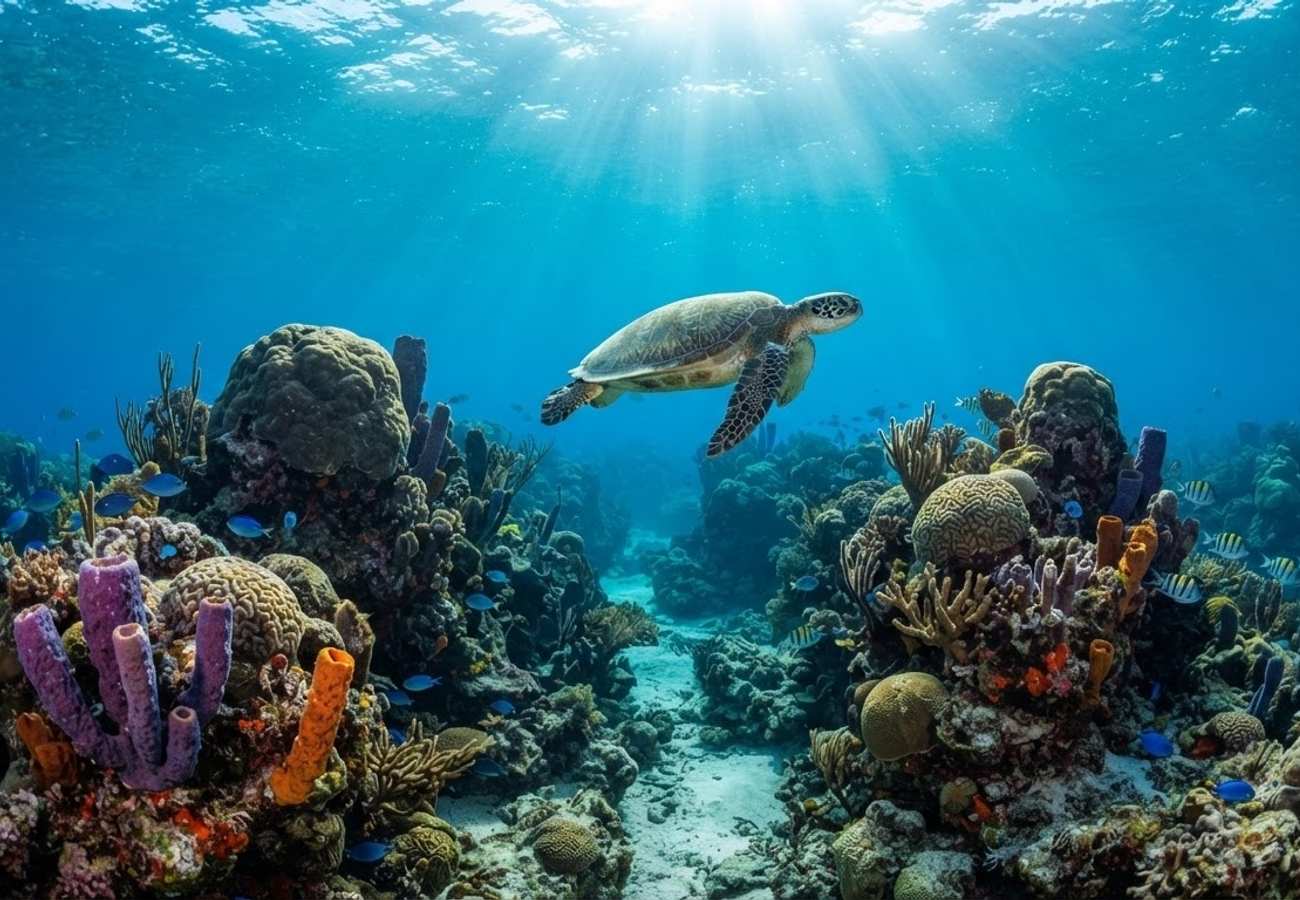
Image generated by AI
Visibility at Palancar Reef frequently reaches 60 to 100 feet, offering some of the clearest Caribbean waters for observing green and hawksbill turtles.
The Shift Toward Sustainable Reef Exploration
Palancar Reef, situated off the southwest coast of Cozumel, remains a cornerstone of the Cozumel Reefs National Marine Park. The destination is currently seeing a shift from mass-market tourism toward high-value, low-impact exploration. The reef is categorized into distinct zones—Palancar Gardens, Palancar Caves, Palancar Bricks, and Palancar Horseshoe—each offering different depths and coral architectures.
For the visitor, the real impact is the transition to strict environmental stewardship. The regional conservation bodies now mandate the use of mineral-based, reef-safe sunscreens. Many operators have moved beyond suggestions, requiring guests to rinse off conventional chemical sunscreens before boarding to prevent coral bleaching and protect the fragile ecosystem after years of hurricane recovery.
Navigating the Waters: Depth and Conditions
Unlike lagoon snorkeling, Palancar is an open-ocean experience. The snorkel-friendly sections typically begin at 15 to 25 feet below the surface before sloping into deeper blue water. This means visitors float above coral towers and sand channels rather than wading in shallow water.
Water temperatures remain consistent, typically ranging from the upper 70s to mid-80s Fahrenheit. Because of the depth and the tendency for drift currents, licensed tour operators within the marine park mandate the use of lifejackets or snorkel vests. This ensures that even non-confident swimmers can safely observe the reef without the stress of maintaining buoyancy.
2026 Tour Logistics and Pricing
Access to Palancar is almost exclusively via boat, departing from San Miguel's downtown piers or southern beach clubs. The market is currently split between three primary service levels:
| Tour Type | Typical Capacity | Estimated 2026 Cost (USD) | Key Features |
|---|---|---|---|
| Shared Panga | 8–12 guests | $45 – $70 per person | Local feel, basic gear, guide included |
| Mid-Size Boat | 20–30 guests | $60 – $90 per person | Covered seating, larger groups |
| Cruise Excursion | Variable | $90 – $120 per person | Includes transfers and beach club access |
| Private Charter | Small group | Low hundreds (half-day) | Customized itinerary, boutique service |
Most itineraries follow a "three-reef" circuit, spending 35 to 45 minutes at Palancar before moving to Columbia Shallows and concluding at the El Cielo starfish sandbar.
Marine Biodiversity and Sightings
Palancar is prized for its "classic Caribbean" vistas rather than small macro-life. The reef is characterized by massive boulder corals, branching formations, and vivid sponges in shades of purple and orange.
Primary Sightings Include:
- Turtles: Green and hawksbill turtles are frequent residents. During peak seasons, sightings are nearly guaranteed on every outing.
- Rays: Eagle rays and southern stingrays are often spotted gliding across the sandy floor.
- Reef Fish: Blue tangs, sergeant majors, yellowtail snappers, and parrotfish.
- Apex Predators: Nurse sharks resting under ledges and barracuda patrolling the reef edge.
The experience is significantly enhanced by hiring guides who specialize in "spotting," as creatures like lobsters and eels are expertly camouflaged within the reef crevices.
Visitor Insider Tips
To maximize the experience and respect local norms, travelers should follow these insider guidelines:
- The "Golden Window": Aim for early morning departures (before 9:00 AM) to avoid the midday cruise ship crowds and secure the best water clarity.
- Current Management: Palancar is a drift-snorkel site. Always stay between the boat and the guide's surface marker float; never swim against the current, as it leads to rapid exhaustion.
- Etiquette: Touching coral or feeding fish is strictly prohibited and can result in fines from park rangers.
- Gear Hack: While tours provide basic masks, bringing your own high-quality, leak-proof mask prevents the common "fogging" issues associated with rental gear.
- Hidden Spot: Ask your captain if conditions allow for a detour to the "Caves" section of Palancar for more dramatic underwater topography.
Tourism Outlook
The long-term trajectory for Palancar Reef is one of managed recovery. By limiting the number of boats and enforcing reef-safe product mandates, the Cozumel Reefs National Marine Park is prioritizing biological health over visitor volume. For the traveler, this means a more curated, slightly more expensive, but significantly more pristine underwater environment.
The true magic of Palancar lies not in the distance traveled, but in the silence of the blue.
Related Travel Guides
Disclaimer
This article is for informational and educational purposes only. It does not constitute legal, financial, or professional advice. While we strive to provide accurate and up-to-date information, travel policies, regulations, and conditions change rapidly. Always verify information with official sources before making travel decisions. Nomad Lawyer makes no representations about the accuracy, reliability, completeness, or suitability of the information provided. Readers should consult qualified professionals for advice specific to their circumstances. The views expressed in this article are those of the author and do not necessarily reflect the views of Nomad Lawyer.
Raushan Kumar
Founder & Lead Developer
Full-stack developer with 11+ years of experience and a passionate traveller. Raushan built Nomad Lawyer from the ground up with a vision to create the best travel and law experience on the web.
Learn more about our team →