
Presidential Aircraft Fleets Expose Global Power Dynamics and National Values
Breaking airline news and aviation industry updates for 2026.

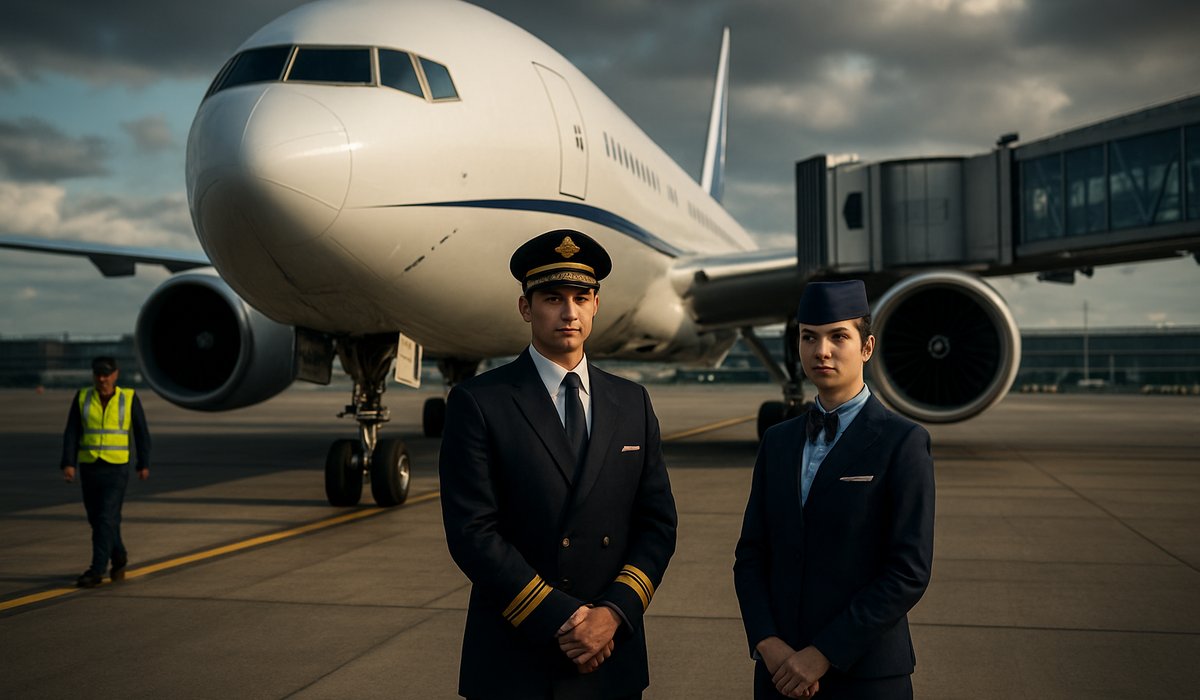
Image generated by AI
Presidential Aircraft Fleets Expose Global Power Dynamics and National Values
From Boeing 747s to regional turboprops, world leaders' aviation choices signal everything from domestic politics to international standing
The Politics of the Skies
The aircraft that transports a nation's head of state operates as far more than a practical conveyance—it functions as a floating embassy, a symbol of national power, and a carefully calibrated statement of political priorities. Across the globe, governments have invested billions in presidential aviation programs, each selection revealing distinct geopolitical calculations, security imperatives, and messages about leadership philosophy that ripple through domestic and international perception.
The disparity in fleet choices is stark. Some nations maintain sprawling collections of heavy-bodied wide-body jets with intercontinental range and opulent interiors, while others deliberately project austerity through modest regional aircraft. These decisions rarely stem from operational necessity alone—they reflect deeper ideological commitments and strategic positioning on the world stage.
Signaling Through Selection
Several democracies and developed nations have embraced the concept of "leading by example" in their presidential aviation philosophy. Leaders in these countries deliberately eschew ostentatious displays of airborne luxury, opting instead for functionality over grandeur. This deliberate restraint communicates messages about fiscal responsibility, egalitarian governance, and alignment with citizen sacrifice—particularly resonant during periods of economic constraint or national austerity.
Conversely, other governments view presidential aircraft as essential instruments of state power projection. Maintaining advanced, long-range capability and sophisticated security systems demonstrates technological sophistication and geopolitical reach. The aircraft becomes an extension of national defense infrastructure and soft power capability.
Strategic Implications Beyond the Cabin
The presidential aircraft debate intersects with broader aviation industry trends affecting commercial travel costs. As governments prioritize defense spending and aircraft modernization, defense contractors gain significant revenue streams. Meanwhile, commercial aviation faces mounting pressures from jet fuel price volatility and airline fee structures that increasingly burden passengers—creating a stark contrast with state-funded aviation luxury.
The choice of aircraft also carries security dimensions. Advanced surveillance detection systems, electronic countermeasures, and hardened communications equipment transform these planes into flying command centers, justifying substantial budget allocations that might otherwise face public scrutiny.
Global Patterns in Leadership Mobility
Nations continuously recalibrate their presidential aviation strategies based on shifting geopolitical circumstances, budgetary realities, and domestic political messaging needs. These decisions remain surprisingly consequential—influencing everything from national prestige rankings to the strategic calculus of international relations.
FAQ: Understanding Presidential Aircraft Decisions
Why do world leaders choose different aircraft types? Selection reflects security requirements, domestic political messaging about fiscal responsibility versus power projection, international travel frequency, and technological capabilities for communications and defense systems.
How does presidential aviation spending compare to commercial airline fees? Government aircraft programs operate entirely separately from revenue-generating commercial aviation, where rising jet fuel prices and operational costs drive passenger baggage charges and ancillary fees.
What security features justify presidential aircraft costs? Advanced countermeasures, hardened communications, surveillance detection systems, and self-defense capabilities transform these planes into airborne command centers beyond standard commercial specifications.
Do modest aircraft choices actually reduce government spending? While selection influences perception and messaging, security and operational requirements often necessitate similar infrastructure investments regardless of aircraft size or luxury level.
How does aircraft choice affect international diplomacy? Presidential aviation capabilities influence diplomatic reach, summit frequency, and perceived national status—directly impacting a country's geopolitical positioning and soft power influence.
Related Travel Guides
- Malaysia Airlines Deploys 200th Boeing Aircraft to Shield Asia-Pacific Passengers from Severe Flight Cancellations and Travel Chaos: Latest Airline News
- United Airlines Flight UA1961 Sacramento to Denver Diverts to Hayden
- Aviation Updates: British Airways A380 Superjumbo Forced into Sudden Birmingham Diversion Amidst London Travel Chaos
Disclaimer
This article is for informational and educational purposes only. It does not constitute legal, financial, or professional advice. While we strive to provide accurate and up-to-date information, travel policies, regulations, and conditions change rapidly. Always verify information with official sources before making travel decisions. Nomad Lawyer makes no representations about the accuracy, reliability, completeness, or suitability of the information provided. Readers should consult qualified professionals for advice specific to their circumstances. The views expressed in this article are those of the author and do not necessarily reflect the views of Nomad Lawyer.
Kunal K Choudhary
Co-Founder & Contributor
A passionate traveller and tech enthusiast. Kunal contributes to the vision and growth of Nomad Lawyer, bringing fresh perspectives and driving the community forward.
Learn more about our team →