
Iceland Joins Spain, Italy, and Japan in Enforcing Radical Overtourism Travel Regulations with Visitor Caps, Tourist Fees, and Rental Controls: What Every Traveller Must Know
Iceland joins a growing list of global destinations enforcing strict new overtourism travel regulations, introducing daily visitor caps, tourist fees, and short-term rental bans.

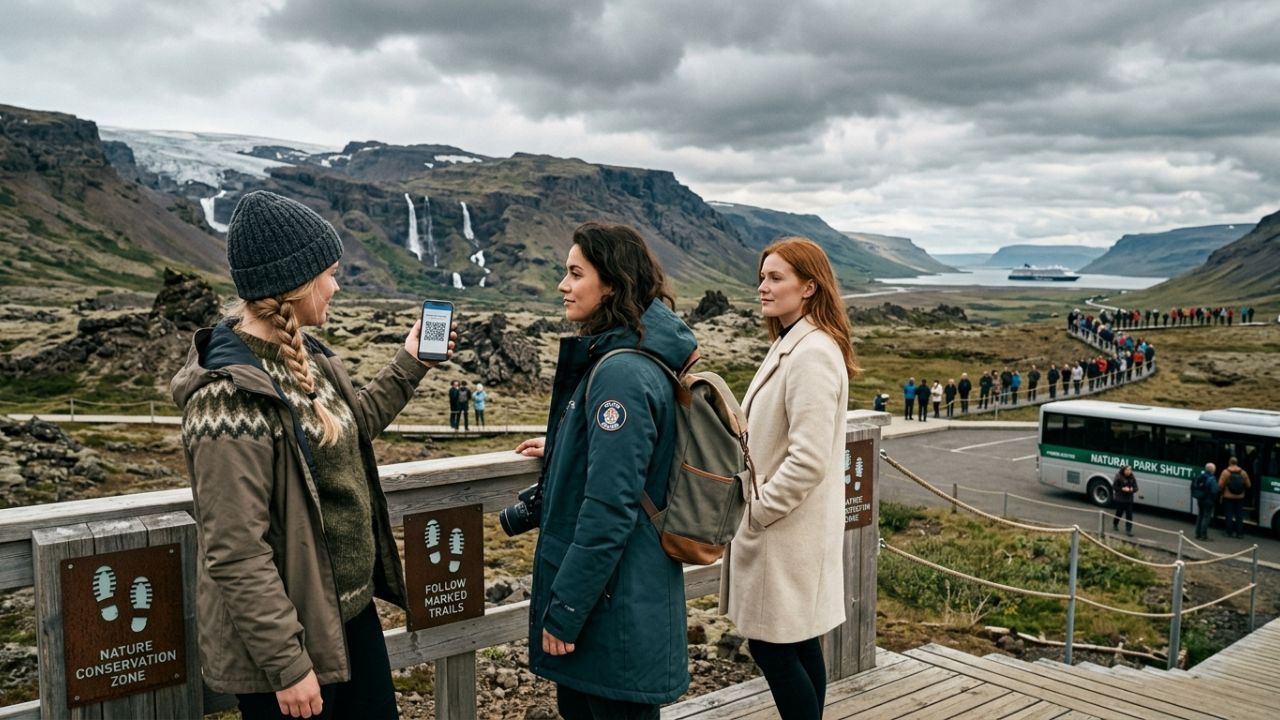
Image generated by AI
A sweeping wave of radical overtourism travel regulations is taking effect across the globe today, as destinations from Iceland and Spain to Italy, Japan, the Netherlands, Greece, and Indonesia implement tough measures to protect their communities and ecosystems. Facing severe environmental degradation, soaring rents, and strained local infrastructure, governments are introducing strict daily visitor caps, short-term rental bans, and cruise ship entry curbs. Inbound travelers are being urged to carefully review country-specific booking protocols and permit requirements before departure, as the era of unrestricted mass travel transitions into a highly controlled, sustainability-focused landscape.
Quick Summary
- New Travel Curbs: Major tourism hubs are implementing strict overtourism travel regulations, introducing daily permits, entry fees, and cruise restrictions.
- Nordic Protections: Iceland is enforcing daily visitor caps and permits at key natural reserves, including Þingvellir, Skaftafell, and the Highlands.
- Urban Housing Defense: Spain (Barcelona, Madrid) and the Netherlands (Amsterdam) are restricting Airbnb rentals to shield local tenants from soaring housing rents.
- Heritage Protection Fee: Venice has implemented a mandatory daily entry fee for day-trippers to reduce crowding and preserve fragile canal infrastructure.
- Cruise Controls: Classic ports like Dubrovnik, Kotor, Santorini, and Mykonos are enforcing strict daily cruise arrival caps to manage sudden visitor spikes.
Context: Global Crisis Triggers New Overtourism Travel Regulations
The coordinated roll-out of these new overtourism travel regulations on May 17, 2026, represents a global effort to transition from quantity-based tourism to sustainable, quality-focused travel. For years, cities and ecosystems have struggled under the weight of unfettered visitor growth, leading to housing shortages, ecological damage, and community friction.
By introducing structured visitor controls, sovereign governments are prioritizing the long-term health of their environments and residents. Travelers must now adapt to a more regulated travel environment, where early planning, permits, and conservation fees are essential parts of exploring the world’s most iconic sites.
Strategic Country Breakdowns Under Overtourism Travel Regulations (H2)
The new regulatory frameworks vary by country to address specific local infrastructure and environmental challenges:
Iceland: Protecting Fragile Ecosystems
The rapid expansion of mass tourism in Iceland has put severe pressure on its delicate subarctic soils, waterfalls, and volcanic valleys, leading to trail erosion and congested roads.
- Visitor Permits: Capping daily entry and requiring permits for sensitive conservation sectors, including Þingvellir National Park, Skaftafell, and the Highlands.
- Transit Shuttles: Strictly regulating tourist shuttles and buses to minimize parking congestion and roadside damage.
- Environmental Levy: Implementing a dedicated environmental tax on international travelers, with all revenue ring-fenced for trail upkeep, safety signage, and conservation projects.
Spain: urban Housing Protection
Spain's urban centers are unique because overtourism intersects directly with local housing stress, forcing residents out of neighborhoods due to unlicensed short-term rentals.
- Airbnb Regulations: Restricting and licensing short-term holiday rentals in Madrid, Barcelona, and Valencia to protect long-term housing stock.
- Rent Control Caps: Implementing rent controls in high-traffic zones to prevent explosive rental inflation.
- Localized Tourism Taxes: Applying seasonal tourist taxes in cities to help fund municipal services and reduce pressure during peak months.
Italy: Venice Canal and Heritage Controls
Italy’s historic cities have faced severe crowding, with Venice serving as a global symbol of the challenges posed by cruise ship day-trippers.
- Venice Day-Tripper Fee: Charging a mandatory daily entry ticket for day-trippers to discourage short-stay overcrowding.
- Cruise Routing Bans: Restricting large cruise vessels from entering fragile historic canal pathways.
- Timed Booking Systems: Enforcing timed ticketing at high-traffic sites, including St. Mark’s Square and major museums.
Japan: Crowd Dispersal and Temple Protection
Japan's pre-pandemic tourism boom left classic districts in Kyoto and Tokyo highly congested, stressing local transport and residents.
- Dispersal Campaigns: Launching regional promotion strategies to guide tourists beyond the Kyoto-Tokyo corridor to lesser-visited prefectures.
- Temple Crowd Management: Introducing guided, timed entry slots for sacred shrines and historic preservation districts in Kyoto.
- Visitor Stewardship: Implementing educational programs to encourage respectful behavior and reduce impact on local communities.
Netherlands: Amsterdam's Multi-Layered Curbs
Amsterdam faces severe tourist density, welcoming over 20 million visitors annually in a city with under one million residents.
- Rental Caps: Imposing strict limits on the number of days residential properties can be rented out on short-term platforms.
- Tourist Tax Adjustments: Levying higher municipal overnight taxes to discourage peak-season crowding.
- Hotel Standards: Enforcing strict sustainability and environmental criteria for new and renovated hotels.
Greece: Island Port Limits
Sun-drenched Greek islands struggle with seasonal water shortages, waste management, and crowded port facilities.
- Santorini & Mykonos Caps: Implementing strict daily cruise passenger arrival limits to manage massive tourist flows at small island ports.
- Zoning Restrictions: Restricting new hotel developments in residential zones to preserve local neighborhoods.
- Shoulder-Season Push: Funding promotional campaigns to encourage travel during off-peak and shoulder months.
Indonesia: Balinese Conservation Levies
Bali, Komodo, and Raja Ampat face significant waste management challenges and threats to fragile marine environments.
- Marine Protected Limits: Enforcing strict permit systems and daily limits for divers to protect fragile coral reefs.
- Conservation Levies: Charging mandatory environmental taxes on international arrivals to fund waste management infrastructure.
- Temporary Closures: Implementing temporary closures of sensitive natural habitats to allow ecosystems to recover.
Peru: Machu Picchu's Time-Slot Allocation
Machu Picchu stands as one of the world's most successful models of strict heritage capacity planning.
- Timed Tickets: Enforcing strict, non-refundable hourly time slots for visitors to protect fragile stone ruins.
- Daily Visitor Cap: Restricting the absolute number of daily entries to prevent structural wear.
- Inca Trail Permits: Requiring mandatory licensed guides and strictly limiting the number of hikers permitted on the trail each day.
Croatia and Montenegro: Walled City Crowd Control
Dubrovnik and Kotor feature historic medieval layouts that struggle to accommodate massive influxes of cruise passengers.
- Dubrovnik Docking Limits: Capping the number of daily cruise ships allowed to dock at one time.
- Real-Time Crowd Monitors: Deploying digital camera networks to monitor pedestrian density and temporarily limit entry to historic old towns when limits are reached.
- Local Infrastructure Fees: Charging dedicated city-maintenance taxes on cruise arrivals.
United Kingdom: Scotland's NC500 Rural Controls
The popularity of the North Coast 500 (NC500) driving route has put pressure on fragile rural infrastructure, leading to roadside camping and traffic challenges.
- NC500 Camping Controls: Enforcing strict parking and wild-camping rules to prevent environmental damage.
- Local Infrastructure Investment: Allocating regional funding to expand public waste facilities, toilets, and designated parking areas.
Global Overtourism Measures and Regulations Table
The following table summarizes the specific overtourism travel regulations and sustainable policies implemented by sovereign governments:
International Overtourism Regulations Matrix
| Country | Regulatory Policy | Environmental & Infrastructure Focus | Local Impact Focus |
|---|---|---|---|
| Iceland | Visitor Caps & Permits | Protects Þingvellir, Skaftafell, and the Highlands | Controls off-road damage and vehicle congestion |
| Spain | Short-Term Rental Caps | Mitigates housing rent inflation in Madrid and Barcelona | Shields local renters from resident displacement |
| Italy | Daily Entry Toll (Venice) | Keeps large cruise vessels away from fragile historic canals | Disperses massive day-tripper surges |
| Japan | Dispersal Campaigns | Directs tourist flows away from overloaded Kyoto-Tokyo corridors | Preserves sacred community heritages |
| Netherlands | Airbnb Rental Limits | Limits hotel development to reduce overall foot-traffic footprint | Prevents conversion of housing to tourist flats |
| Greece | Cruise Passenger Limits | Manages Santorini and Mykonos island port limits | Eases seasonal water and waste strains |
| Indonesia | Marine Park Permit Limits | Protects delicate coral reefs in Komodo and Raja Ampat | Funds waste management infrastructure |
| Peru | Timed Hourly Tickets | Reduces physical wear on Machu Picchu's ancient ruins | Spreads visitor density throughout the day |
| Croatia | Cruise Docking Limits | Limits daily tourist drops within historic old town cores | Enables real-time digital crowd monitoring |
| Montenegro | Arrival Quotas | Protects Kotor's fragile medieval walled city streets | Funds historical preservation projects |
| United Kingdom | Camping & Parking Rules | Limits roadside congestion on Scotland's NC500 route | Expands rural waste and sanitation capacity |
Practical Traveler Advice: How to Plan Under New Rules
To navigate these new regulations successfully, international travelers should follow these steps:
- Book Permits Months in Advance: Secure timed tickets for major sites like Machu Picchu or Icelandic national parks before booking flights.
- Choose Accredited Accommodations: Verify that your short-term rental has an official municipal registration license to avoid booking cancellations.
- Opt for Off-Peak travel: Plan your trips during shoulder seasons to enjoy destinations with fewer crowds and lower local fees.
- Incorporate Local Taxes Into Your Budget: Account for municipal tourist taxes and regional environmental levies when planning your expenses.
- Utilize Group and Public Transit: Choose official airport shuttles and group transit to minimize road congestion and reduce your carbon footprint.
Broader Context: Why Sustainable Travel Models Matter
The widespread implementation of these new regulations highlights a shift from quantity-based tourism to sustainable, high-value travel. For years, destinations measured success solely by rising visitor counts, often ignoring the long-term impact on local environments and communities.
Transitioning to managed travel ensures that fragile natural wonders and historic monuments are preserved for future generations. While these regulations introduce additional planning steps, they also guarantee a higher-quality experience for visitors, who can enjoy these iconic locations without the pressure of extreme overcrowding.
What to Expect Next: Policy Monitoring and Regional Expansion
Looking ahead, tourism boards and municipal authorities will continue to monitor the impact of these regulations, adjusting caps and fees based on real-time data. Other crowded destinations are expected to implement similar frameworks as the benefits of structured visitor management become clear.
Travelers should expect digital permit portals and timed entry systems to become standard across the global tourism sector. By embracing these changes and planning responsibly, we can ensure a sustainable future for both global travelers and the local communities that welcome them.
Conclusion
The roll-out of new overtourism travel regulations by major destinations represents a vital step toward sustainable travel. From Iceland's visitor caps to Spain's housing regulations and Venice's entry fees, these measures protect communities and preserve delicate ecosystems. By planning ahead, respecting local rules, and traveling responsibly, we can ensure these world-class natural wonders and historic sites remain open and protected for generations to come.
Frequently Asked Questions (FAQ)
1. What are overtourism travel regulations, and why are they being implemented?
These regulations are managed capacity systems—including daily visitor caps, tourist taxes, and rental limits—implemented by governments to protect infrastructure, preserve environments, and maintain housing availability for local residents.
2. How do the daily permit systems work in Iceland and Venice?
Venice requires day-trippers to purchase an entry ticket during peak hours, while Iceland limits daily visitors at high-traffic nature reserves like Þingvellir, requiring travelers to book entry slots in advance.
3. What are countries doing to protect local housing from overtourism?
Cities in Spain (like Barcelona) and the Netherlands (like Amsterdam) have placed strict limits on short-term rentals and introduced licensing requirements for platforms like Airbnb to keep housing available for long-term residents.
4. Why are cruise ship arrival limits being enforced in Greece and Croatia?
Destinations like Santorini, Mykonos, and Dubrovnik have capped daily cruise dockings to prevent massive groups of day-trippers from overcrowding historic walled cities and small island ports.
5. How can I ensure my travel plans comply with these new rules?
Always verify if your destination requires timed entry permits, ensure your accommodation holds a valid municipal license, and research any local environmental fees or tourist taxes before departure.
Meta Title: Global Overtourism Travel Regulations: Visitor Caps & Fees
Meta Description: Iceland, Spain, Italy, and Japan implement radical overtourism travel regulations with daily visitor caps, tourist fees, and short-term rental limits.
URL Slug: overtourism-global-travel-regulations-visitor-caps-tourist-fees-2026
Tags: Overtourism, Travel Regulations, Sustainable Tourism, Visitor Caps, Tourist Fees, 2026
Featured Image Alt Text: A scenic historic town center with signs explaining sustainable travel codes and new visitor permit regulations in 2026.
Kunal K Choudhary
Co-Founder & Contributor
A passionate traveller and tech enthusiast. Kunal contributes to the vision and growth of Nomad Lawyer, bringing fresh perspectives and driving the community forward.
Learn more about our team →