
World's Oldest Airbus A380 Still Carries Passengers After Two Decades of Service
Breaking airline news and aviation industry updates for 2026.

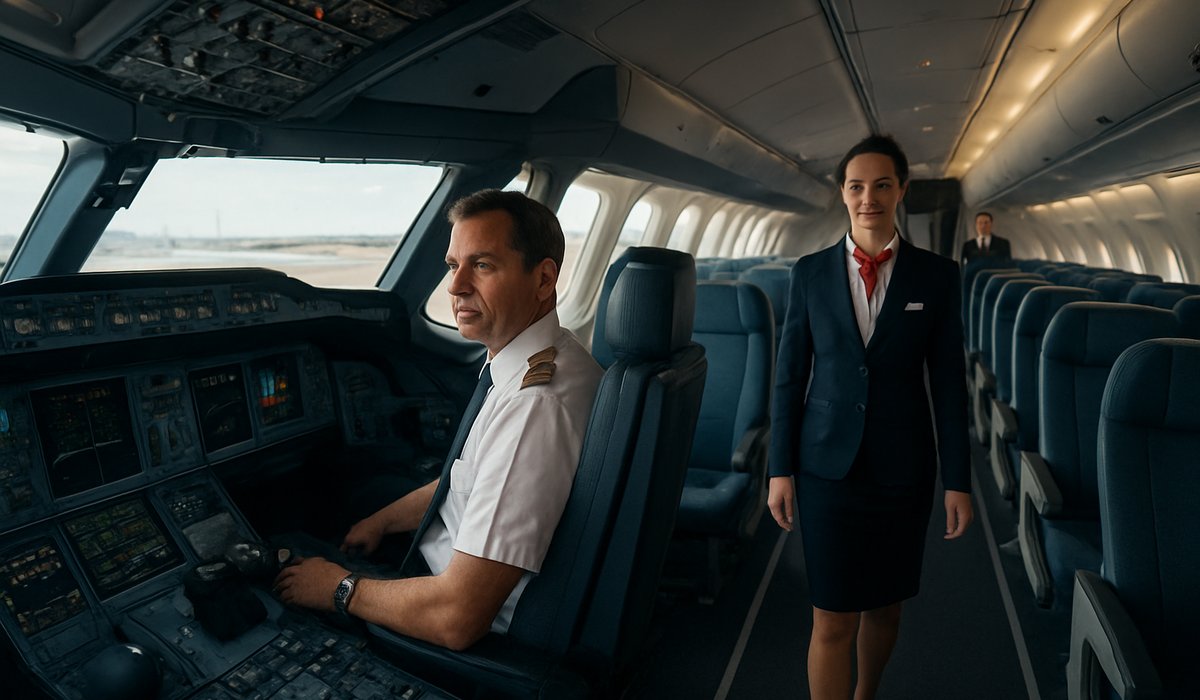
Image generated by AI
World's Oldest Airbus A380 Still Carries Passengers After Two Decades of Service
A 20-year-old superjumbo continues flying for Emirates, raising questions about aircraft longevity and maintenance standards in modern aviation
The Aging Giant Takes to the Skies
The aviation industry has long celebrated the engineering durability of commercial aircraft, and one particular superjumbo is proving that point emphatically. Emirates operates the world's oldest active Airbus A380, a aircraft that has now surpassed two decades in service—a remarkable milestone that underscores both the robustness of modern jet design and the carrier's commitment to fleet optimization.
The aircraft in question, bearing registration A6-EDF, first took flight on February 19, 2004, making it currently 20.2 years old according to fleet tracking data from ch-aviation. Despite its age, the double-deck wide-body jet continues to ferry passengers across Emirates' global network, operating alongside more than 100 newer variants of the same aircraft type within the Dubai-based airline's fleet.
A Testament to Maintenance Excellence
The extended operational life of this particular A380 reflects Emirates' renowned reputation for aircraft maintenance and engineering standards. The carrier operates one of the world's largest Airbus A380 fleets, and its ability to maintain aging assets while introducing newer aircraft demonstrates sophisticated fleet management practices.
The superjumbo did not immediately join Emirates upon its initial manufacture. Instead, it served other operators before being added to the UAE flag carrier's roster, a common practice in the commercial aviation sector where aircraft change ownership throughout their service lives. This transfer of assets between carriers is standard industry practice, particularly for premium long-haul platforms like the A380.
Industry Implications for Aircraft Longevity
The continued operation of a 20-year-old superjumbo carries broader significance for the aviation sector. As airlines worldwide grapple with fleet modernization pressures, aging aircraft maintenance, and the high capital costs of new acquisitions, the ability to extend the operational lifespan of existing jets becomes increasingly valuable.
The Airbus A380, despite production ending in 2021, remains a cornerstone of premium long-haul capacity for many international carriers. Examples like Emirates' 20-year-old specimen demonstrate that with rigorous maintenance protocols and engineering oversight, these four-engine giants can continue delivering value well into their third decade of service.
FAQ: Aircraft Aging and Commercial Aviation Operations
How long do commercial aircraft typically remain in service? Modern commercial jets, including the Airbus A380, are designed and certified to operate for 20-30 years with proper maintenance, though some carriers extend operations beyond these timeframes.
Why does Emirates operate one of the world's largest A380 fleets? Emirates heavily invested in the A380 for its premium long-haul routes, prioritizing passenger capacity and comfort on high-demand international corridors, particularly to North America, Europe, and Australia.
What maintenance standards keep aging aircraft airworthy? Airlines implement comprehensive inspection programs, component replacements, and avionics upgrades to ensure aircraft meet current safety and operational standards regardless of age.
Is it more cost-effective to maintain older aircraft or purchase new ones? For carriers with strong maintenance capabilities, extending aircraft life can be economically favorable compared to new acquisitions, particularly during periods of supply chain constraints.
Will the Airbus A380 continue flying beyond 2030? Yes—many operators plan to operate A380s well into the 2030s and 2040s, making them integral to long-haul aviation for decades to come.
Related Travel Guides
- How Flight Attendants Instantly Spot First-Time Long-Haul Flyers: What Seasoned Cabin Crew Really Notice
- Alaska Airlines Considers Boeing 737s for Hawaiian Interisland Routes as Fleet Modernization Accelerates
- Alaska Airlines, Delta, and SkyWest Ground Flights Triggering Widespread Seattle-Tacoma Flight Delays and Cancellations Across SEA, San Francisco, Chicago, and Dublin: New Aviation Updates
Disclaimer
This article is for informational and educational purposes only. It does not constitute legal, financial, or professional advice. While we strive to provide accurate and up-to-date information, travel policies, regulations, and conditions change rapidly. Always verify information with official sources before making travel decisions. Nomad Lawyer makes no representations about the accuracy, reliability, completeness, or suitability of the information provided. Readers should consult qualified professionals for advice specific to their circumstances. The views expressed in this article are those of the author and do not necessarily reflect the views of Nomad Lawyer.
Preeti Gunjan
Contributor & Community Manager
A passionate traveller and community builder. Preeti helps grow the Nomad Lawyer community, fostering engagement and bringing the reader experience to life.
Learn more about our team →