
Lufthansa Group Slashes 20,000 Flights as Jet Fuel Crisis Deepens Across Aviation Sector
Breaking airline news and aviation industry updates for 2026.

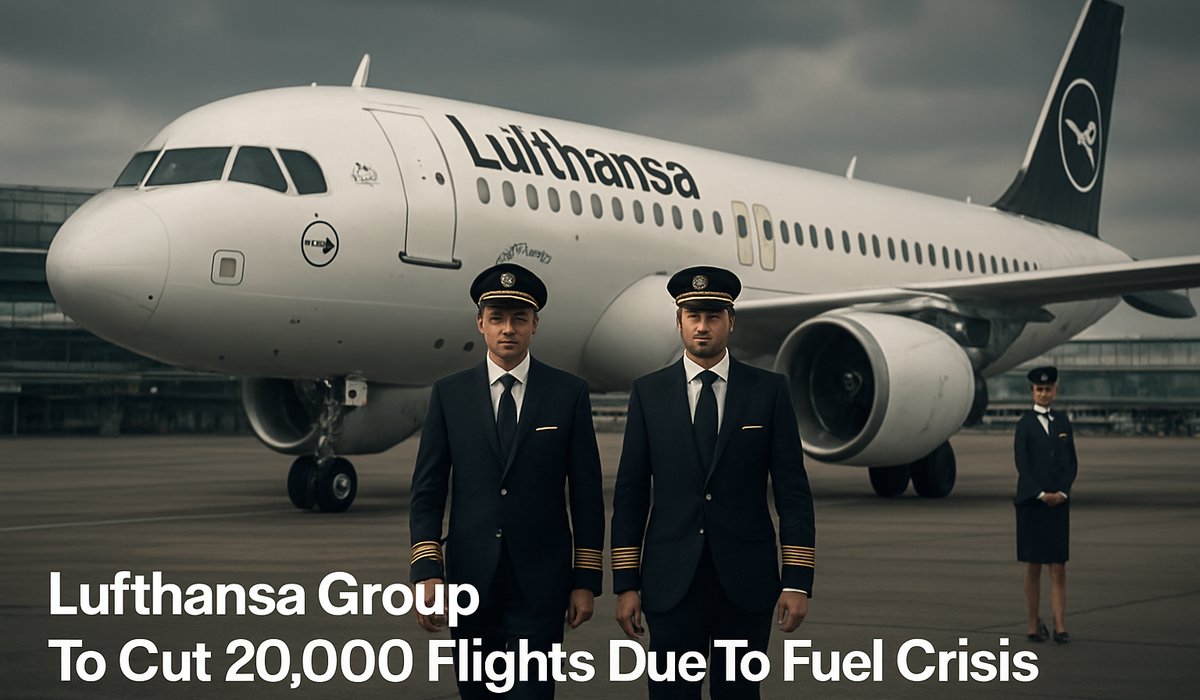
Image generated by AI
Lufthansa Group Slashes 20,000 Flights as Jet Fuel Crisis Deepens Across Aviation Sector
Major European carrier implements unprecedented schedule cuts through October amid geopolitical uncertainty and soaring energy costs
Escalating Fuel Crisis Forces Dramatic Airline Restructuring
Europe's largest airline group has announced sweeping operational cuts in response to an ongoing energy crisis threatening the financial viability of carriers worldwide. Lufthansa Group will eliminate approximately 20,000 flights from its network through October, marking one of the most aggressive capacity reductions by a major airline in recent years as jet fuel prices remain elevated due to geopolitical tensions.
The decision underscores mounting pressure across the aviation industry, where fuel represents one of the largest operational expenses. Industry analysts attribute the sustained price spike to regional conflicts and potential disruptions to critical maritime shipping routes, particularly the Strait of Hormuz—a chokepoint through which roughly one-third of global seaborne traded oil passes annually.
Uncertainty Clouds Recovery Timeline
The Lufthansa Group statement reveals conflicting signals about how long carriers can expect elevated fuel costs to persist. While some market indicators suggest temporary relief may be within reach, geopolitical developments continue to create unpredictability that prevents airlines from confidently resuming normal scheduling.
"We are unable to predict with certainty when stability will return to fuel markets," industry observers note, explaining why major carriers are adopting conservative operational strategies rather than banking on imminent price corrections.
Broader Aviation Industry Implications
This capacity reduction represents a significant shift in how global carriers manage financial risk. Airlines historically absorb fuel price volatility through a combination of hedging strategies, fuel surcharges on tickets, and baggage charges. However, when energy costs spike dramatically, operational cuts become necessary to maintain profitability.
The Lufthansa Group restructuring will impact passenger schedules across its portfolio of carriers, affecting millions of travelers planning European and international flights. The cuts are expected to create ripple effects throughout aviation supply chains, from airport services to ground handling operations.
What This Means for Travelers
Passengers should anticipate tighter flight availability and potentially higher airfares as airlines reduce supply while managing fuel cost exposure. Additional airline fees—including baggage charges and seat selection costs—may increase as carriers seek alternative revenue streams to offset energy expenses.
The situation reflects a vulnerability in global aviation: dependence on fuel supplies affected by geopolitical events beyond carriers' control. Until energy markets stabilize or alternative fuel solutions scale commercially, expect similar capacity management strategies from other major airlines facing comparable financial pressures.
Frequently Asked Questions
Why are airlines canceling flights due to fuel prices? Jet fuel costs represent 20-30% of airline operating expenses. When prices spike significantly, carriers must either absorb losses, raise ticket prices substantially, or reduce capacity to maintain profitability.
How do airline fuel prices relate to geopolitical events? Supply disruptions from regional conflicts affect oil production and shipping routes. The Strait of Hormuz, through which one-third of global traded oil passes, is particularly vulnerable to disruption, creating uncertainty in energy markets.
Will airline baggage fees increase because of fuel costs? Yes. Carriers use ancillary fees (baggage charges, seat selection, etc.) to offset operating cost increases. Expect steady fee growth alongside fuel price volatility.
Which airlines might follow Lufthansa's example? Other major European and international carriers facing similar fuel cost pressures may implement comparable schedule reductions, particularly if geopolitical tensions persist.
When will airline ticket prices return to normal? Airlines typically pass fuel costs to consumers through ticket prices and fees. Normalization depends on energy market stabilization, which geopolitical experts predict remains months away.
Related Travel Guides
Disclaimer
This article is for informational and educational purposes only. It does not constitute legal, financial, or professional advice. While we strive to provide accurate and up-to-date information, travel policies, regulations, and conditions change rapidly. Always verify information with official sources before making travel decisions. Nomad Lawyer makes no representations about the accuracy, reliability, completeness, or suitability of the information provided. Readers should consult qualified professionals for advice specific to their circumstances. The views expressed in this article are those of the author and do not necessarily reflect the views of Nomad Lawyer.
Preeti Gunjan
Contributor & Community Manager
A passionate traveller and community builder. Preeti helps grow the Nomad Lawyer community, fostering engagement and bringing the reader experience to life.
Learn more about our team →