
Ontario International Airport Launches Security Upgrades
Ontario International Airport in California initiates an $11 million security checkpoint upgrade to accommodate rapid passenger growth in Terminal 2 and 4.

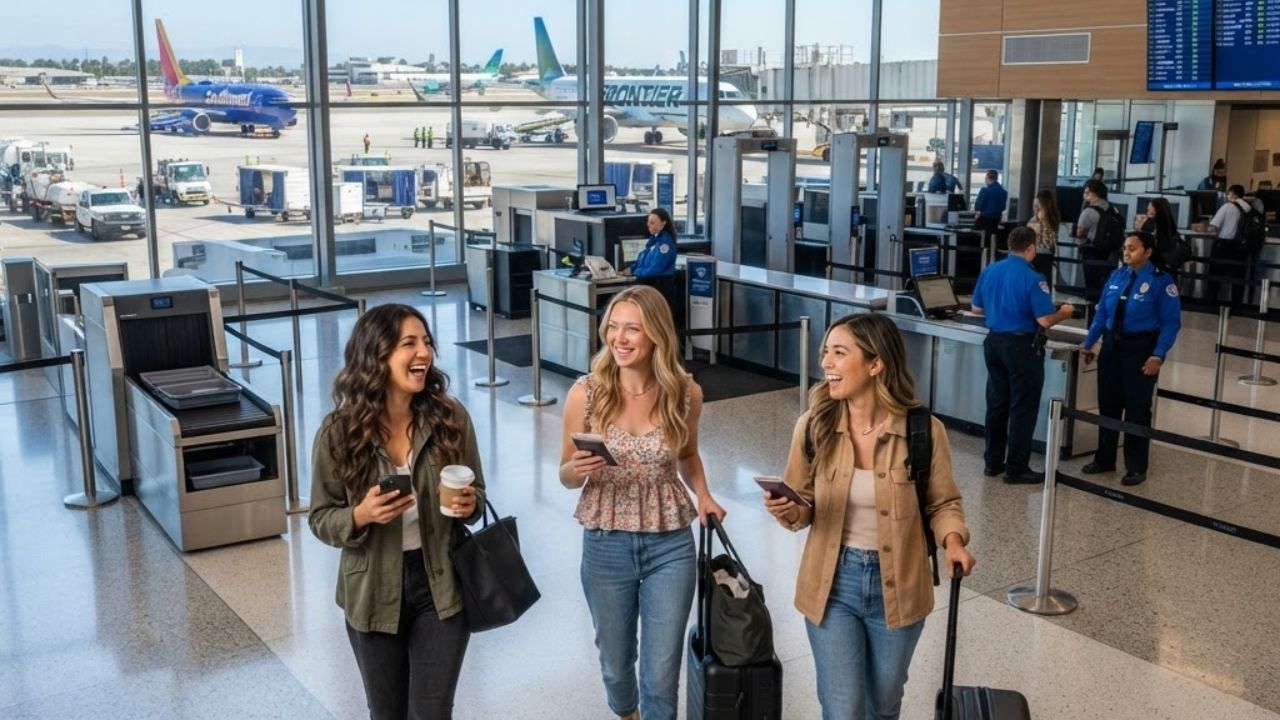
Image generated by AI
Ontario, July 28, 2026 — Aviation officials confirm that Ontario International Airport has launched a major security checkpoint modernization project, investing millions to expand passenger screening capacity in Terminals 2 and 4.
Ontario, July 28, 2026 — An eleven million dollar security renovation is set to transform the travel experience at Ontario International Airport in Southern California. This comprehensive Ontario International Airport security checkpoint upgrade is designed to support the facility's rapid passenger growth. According to reports, the project will expand screening capacity in Terminal 2 and Terminal 4 to handle over seven million annual travelers.
Ontario International Airport Responds to Rapid Southern California Passenger Growth
Operating regional transport hubs requires constant adjustment to accommodate changing travel demand. Since returning to local ownership in November 2016, Ontario International Airport (ONT) has experienced significant passenger growth. The Southern California facility recorded passenger volumes of 4.25 million in 2016, which grew to over 7.1 million travelers in 2025.
This growth has placed significant pressure on the airport's existing passenger facilities. Security checkpoints have become primary areas requiring modernization, as screening capacity must match passenger demand to prevent terminal delays. The current expansion project represents a direct response to these operational demands.
The renovation is backed by an $11 million investment, which includes a $7 million federal grant allocated through the Federal Aviation Administration (FAA) airport improvement program. By leveraging these funds, the airport authority aims to expand passenger processing capacity while maintaining strong safety standards.
Evaluating Checkpoint Modernization Schemes at Terminals Two and Four
The security upgrade includes specific adjustments in Terminals 2 and 4, which handle the majority of commercial passenger flights. In Terminal 2, the project adds two new security screening lanes, relocates the secure exit corridor, and redesigns passenger queuing areas. These changes are designed to improve passenger circulation and reduce bottlenecks during peak hours.
In Terminal 4, the airport authority is adding one screening lane and modernizing the secure exit corridor. These targeted improvements help coordinate passenger flows, allowing travelers to transition from check-in to boarding gates more quickly. The redesigned spaces also incorporate digital information displays to guide passengers through the checkpoint.
Aviation officials indicate that the project also upgrades document verification systems and security monitoring equipment. Installing advanced credential authentication systems helps speed up the check-in process, reducing wait times at the initial entry point. These changes support the terminal's operational reliability during busy travel periods.
Checkpoint Upgrade Metrics across Major North American Hubs
To illustrate how Ontario's security upgrade compares to other major airport modernization projects, the table below outlines the scope of these improvements:
Security Checkpoint Upgrade Profiles
| Airport Facility | Upgrade Scope / Additional Lanes | Primary Project Funding | Technology Integration Status |
|---|---|---|---|
| Ontario International Airport (ONT) | 2 Lanes in T2, 1 Lane in T4 | $11M Total ($7M FAA Grant) | Upgraded identity verification and digital displays |
| Denver International Airport (DEN) | 17 Lanes (East & West Checkpoints) | Great Hall Terminal Program | Centralized Computed Tomography (CT) screening |
| Houston Intercontinental (IAH) | 17 Lanes (Terminal E Modernization) | International Terminal Program | Advanced screening lanes and automation |
| Tampa International Airport (TPA) | 1 Lane each in Airside A & E | Airport Capital Improvement | Deployed CT carry-on screening systems |
| Pittsburgh International Airport (PIT) | 12 Lanes (New Central Terminal) | Consolidated Hub Program | Centralized automated screening lanes |
| Louisville International Airport (SDF) | Up to 10 Lanes (Checkpoint Expansion) | Airport Renovation Program | Redesigned queuing and exit lanes |
This structured comparison highlights the diverse approaches airports are taking to expand screening capacity and integrate advanced technology.
Denver and Houston Lead Large-Scale Security Redesigns
Other major US airports are taking similar steps to modernize passenger screening, utilizing terminal redevelopments to integrate advanced technology. Denver International Airport has completed significant upgrades through its Great Hall program, opening its West Security Checkpoint in 2024 and its East Checkpoint in 2025. Both facilities feature 17 lanes designed to manage high passenger volumes.
Similarly, Houston's George Bush Intercontinental Airport is expanding its security footprint as part of a major international terminal redevelopment. The project includes a modernized Terminal E checkpoint with 17 lanes, designed to speed up processing for international departures. The integration of security with passenger processing is a key element of the project.
These large-scale projects demonstrate how airports are shifting toward centralized screening configurations. By grouping lanes in a single area, security teams can allocate staff more flexibly, helping to balance passenger flows during unexpected traffic spikes.
Tampa and Pittsburgh Centralize Terminal Screening Gates
In Florida, Tampa International Airport completed security checkpoint expansions at Airside A and Airside E in 2025. The project increased the number of screening lanes at each checkpoint from six to seven, while incorporating computed tomography (CT) screening technology. This allows passengers to leave electronics and liquids in their carry-on bags, directly improving processing speed.
Pittsburgh International Airport has also deployed a centralized security design as part of its new terminal opening in 2025. The facility features a single checkpoint with 12 screening lanes, utilizing automated lanes and digital displays to guide passengers through the process. The centralized design simplifies terminal layout, making navigation easier for travelers.
These developments show that the aviation industry is moving toward integrated checkpoint designs. By combining physical space expansions with advanced screening machines, airports can improve both security accuracy and passenger processing speed.
Louisville and Boston Logan Add Checkpoint Lanes to Manage Queues
Louisville Muhammad Ali International Airport is also expanding its existing security checkpoint, launching a project to add up to 10 screening lanes. The expansion is designed to increase passenger processing capacity by more than 60 percent, addressing bottlenecks caused by regional passenger growth. The project also adds redesigned exit routes to improve terminal circulation.
At Boston Logan International Airport, terminal modernization projects have focused on expanding checkpoint queuing areas and improving passenger wayfinding. Redesigning these spaces helps reduce the anxiety associated with security queues, creating a more relaxed environment for passengers before boarding.
These targeted projects show that airports are prioritizing checkpoint upgrades to manage capacity constraints. As passenger numbers continue to rise, expanding screening lanes is essential for preventing terminal delays and maintaining airline schedule reliability.
What Passengers Receive from Computed Tomography Screening Systems
Integrating next-generation technology into security checkpoints provides direct benefits for travelers. Under guidelines supported by the Transportation Security Administration (TSA), computed tomography (CT) screening systems are expanding at major airports.
Key passenger benefits of CT screening technology include:
- Keep Electronics in Bags: Travelers do not need to remove laptops, tablets, or other large electronic devices from their carry-on luggage.
- Liquids Remain Stowed: Compliant travel liquids can remain inside bags, reducing the need to separate items during screening.
- Three-Dimensional Image Analysis: Security officers can rotate and inspect detailed three-dimensional images of bag contents, reducing the need for physical bag searches.
- Automated Tray Return: Automated screening lanes handle the return of bins automatically, allowing passengers to focus on their personal items.
Actionable Steps for Navigating Ontario Airport Checkpoints
For passengers traveling through Ontario International Airport, planning check-in and security times is recommended to ensure a smooth transition through the terminal. Travelers should arrive at the airport at least two hours prior to scheduled domestic departures. This window provides a buffer to accommodate parking, baggage drop, and security processing.
Additionally, passengers should utilize mobile boarding passes to bypass ticket counters if they are traveling without checked luggage. Checking your flight status before departing for the airport is essential for identifying any schedule updates or gate changes.
Finally, travelers should consider enrolling in expedited screening programs like TSA PreCheck to access dedicated security lanes. These programs help speed up the screening process, particularly during peak travel periods when standard lanes experience high volumes.
From a Logistical Standpoint: Why Centralized Screening Optimizes Terminal Slot Allocations
From a logistical standpoint, the deployment of Computed Tomography (CT) screening systems allows passengers to keep electronics and liquids in their carry-on bags. For the traveler, this means that the typical bottleneck of unpacking and repacking personal items at the security lane is eliminated. Centralized screening structures allow airport operators to allocate security personnel dynamically based on real-time flight schedules and passenger arrivals, preventing delays from building up at individual checkpoints.
Additionally, reducing wait times at checkpoints allows passengers to clear security more quickly, increasing the time they spend in the post-security terminal areas. This shift supports airport retail and concessions, while ensuring that passengers reach their departure gates on time. The efficiency of the security process has a direct impact on terminal layout optimization and slot management.
Understanding these operational details helps passengers plan their travel windows with greater confidence. While security remains a mandatory requirement, modern airport designs are structured to make the process as efficient and stress-free as possible, preparing regional hubs for the next generation of air travel.
FAQ: Ontario International Airport Security Checkpoint Upgrade 2026
Q1: What terminal areas are being upgraded at Ontario International Airport?
A1: The upgrades are focused on Terminal 2 and Terminal 4, adding new screening lanes and modernizing secure exit corridors in both facilities.
Q2: What is the total cost and funding source of the Ontario Airport upgrade?
A2: The project represents an $11 million investment, which includes a $7 million federal grant from the US Federal Aviation Administration.
Q3: How much has passenger traffic grown at Ontario Airport since 2016?
A3: Passenger volume has grown from approximately 4.25 million annual travelers in 2016 to over 7.1 million passengers in 2025.
Related Travel Guides
- Copa Airlines Expands Panama to Mendoza Flights to 10 Weekly
- Air China Launches First Beijing to Iceland Route
- UAE Airports Suffer Major Flight Disruption with 268 Disrupted Flights
Meta Description: Ontario International Airport security checkpoint upgrade invests $11 million in Terminal 2 and 4 to expand screening capacity for 7.1 million passengers.
Disclaimer
This article is for informational and educational purposes only. It does not constitute legal, financial, or professional advice. While we strive to provide accurate and up-to-date information, travel policies, regulations, and conditions change rapidly. Always verify information with official sources before making travel decisions. Nomad Lawyer makes no representations about the accuracy, reliability, completeness, or suitability of the information provided. Readers should consult qualified professionals for advice specific to their circumstances. The views expressed in this article are those of the author and do not necessarily reflect the views of Nomad Lawyer.
Kunal K Choudhary
Co-Founder & Contributor
A passionate traveller and tech enthusiast. Kunal contributes to the vision and growth of Nomad Lawyer, bringing fresh perspectives and driving the community forward.
Learn more about our team →