
Boeing 747 on Final Descent: Only Four Airlines Still Operating the Iconic Jumbo as Operating Costs Force Industry Exodus
Breaking airline news and aviation industry updates for 2026.

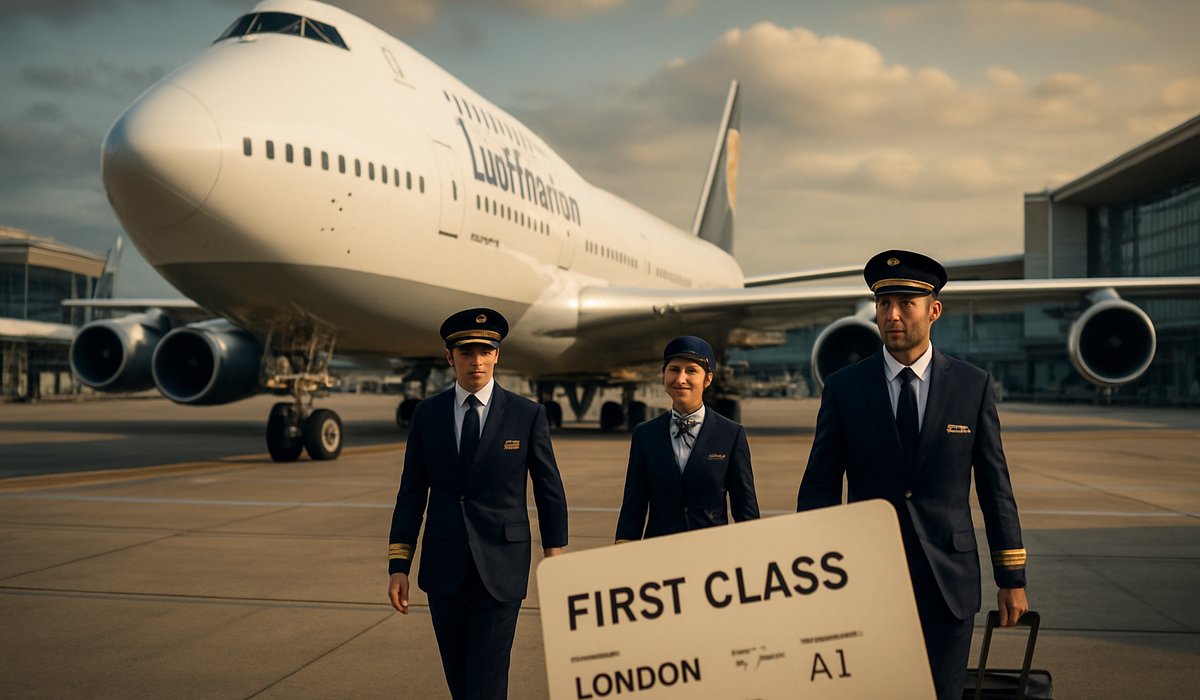
Image generated by AI
Boeing 747 on Final Descent: Only Four Airlines Still Operating the Iconic Jumbo as Operating Costs Force Industry Exodus
The legendary widebody aircraft faces retirement as carriers abandon the fuel-hungry giant for more economical twin-engine alternatives
The End of an Era for Aviation's Most Iconic Aircraft
The Boeing 747, which revolutionized long-haul air travel and dominated international routes for decades, is rapidly disappearing from commercial aviation. Fewer than four airlines worldwide continue operating passenger variants of the jumbo jet, marking a dramatic collapse for an aircraft that once defined premium air travel and shaped the industry's economic model.
The decline reflects a fundamental shift in airline economics. Modern twin-engine aircraft—including the Airbus A350, Boeing 787 Dreamliner, and other efficient widebodies—deliver comparable capacity and superior operational flexibility at a fraction of the 747's notorious fuel consumption and maintenance costs. For carriers facing volatile jet fuel prices and pressure to maintain profitability on intercontinental routes, the 747's four-engine configuration has become economically unsustainable.
Decades of Service, Rising Operating Expenses
The 747-400, which entered service in 1989, became the workhorse of global aviation during the 1990s and 2000s. However, advancing technology rendered its design increasingly outdated. Boeing's attempt to revitalize the platform with the 747-8, launched in the 2010s, largely failed in the commercial marketplace—potential buyers balked at operating costs that appeared disproportionate to payload capacity when competing aircraft could deliver similar passenger loads with significantly lower fuel bills.
Industry analysts point to sustained high jet fuel prices and post-pandemic capacity adjustments as accelerating factors in the 747's retirement timeline. The aircraft's four-engine design, once a competitive advantage for reliability on transcontinental routes, has become a liability in an era where twin-engine reliability has proven sufficient and twin-engine economics are vastly superior.
Limited Remaining Operators
The handful of carriers still maintaining 747 fleets primarily operate them on prestige routes where premium-cabin revenue justifies elevated operating costs. First and business class fares on these remaining 747 services command premium pricing, though even this revenue stream cannot fully offset the aircraft's inherent cost structure.
Broader Industry Implications
The 747's withdrawal reflects broader aviation industry trends: consolidation around efficient twin-engine widebodies, restructuring of airline route networks toward point-to-point service rather than hub-and-spoke models, and relentless pressure to reduce unit costs across the sector. Airlines that once viewed the 747 as essential to competitive positioning on premium international markets now view it as a liability.
This transition carries implications for airline fees and baggage charges. Carriers migrating to smaller, more efficient aircraft are restructuring their revenue models around ancillary services rather than relying on raw capacity to drive profitability.
Frequently Asked Questions
Q: Why are airlines retiring the Boeing 747? A: Primarily due to high operating costs relative to capacity. Twin-engine aircraft deliver comparable passenger loads with 20-30% lower fuel consumption and reduced maintenance expenses.
Q: What aircraft are replacing the 747? A: Airlines typically transition 747 routes to the Boeing 787 Dreamliner, Airbus A350, or other modern widebodies offering superior fuel efficiency and lower per-seat operating costs.
Q: How much do premium seats cost on remaining 747 flights? A: Business class fares vary significantly by route and airline, typically ranging from $5,000-$15,000+ for long-haul international service, reflecting the prestige and scarcity value of remaining 747 operations.
Q: When will the last 747 be retired from passenger service? A: The timeline depends on remaining operators' fleet strategies, but most industry analysts expect complete passenger retirement within 5-10 years as maintenance costs accelerate on aging aircraft.
Q: Are 747s still used for cargo? A: Yes—the aircraft's large cargo capacity makes it valuable for freight operations, where unit economics differ substantially from passenger service and fuel costs are offset by cargo revenue.
Related Travel Guides
-
Flight Attendant Prepare Aircraft: 30-Minute Turnaround Safety Protocol
-
Boeing 777 Cockpit Engineering: Five Advanced Features Redefining Long-Haul Aviation
-
Analyst Says Iran Prioritizes Extended Conflict Over Resolution
External Resources
Disclaimer: Airline announcements, route changes, and fleet information reflect official corporate communications as of April 2026. Schedules, aircraft specifications, and service details remain subject to airline modifications.
Kunal K Choudhary
Co-Founder & Contributor
A passionate traveller and tech enthusiast. Kunal contributes to the vision and growth of Nomad Lawyer, bringing fresh perspectives and driving the community forward.
Learn more about our team →