
Austrian Airlines Maintains Rare Boeing 767 Fleet as European Carriers Phase Out Aging Widebody Aircraft
Breaking airline news and aviation industry updates for 2026.

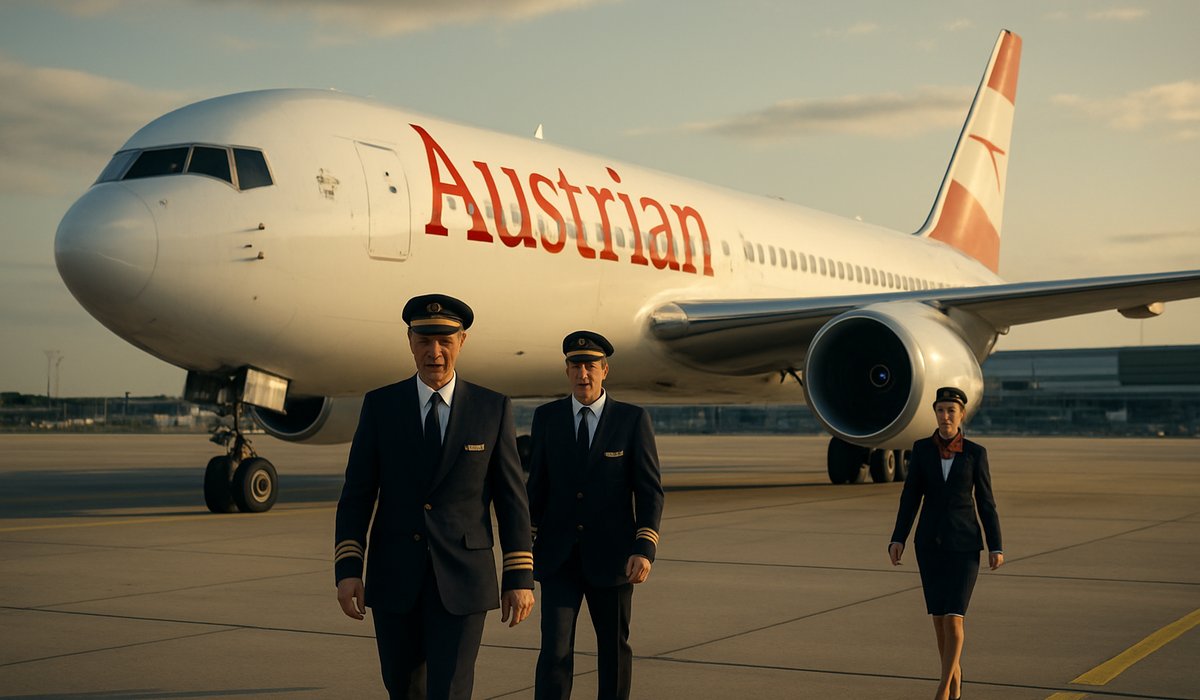
Image generated by AI
Austrian Airlines Maintains Rare Boeing 767 Fleet as European Carriers Phase Out Aging Widebody Aircraft
The Vienna-based carrier stands among continent's last operators of the iconic twin-engine jet as airlines modernize fleets and navigate volatile fuel costs
Austrian Airlines Defies Industry Trend with 767 Operations
Austrian Airlines has emerged as one of Europe's final holdouts operating the Boeing 767, the iconic widebody aircraft that once dominated intercontinental routes but has largely disappeared from European airline rosters. While most major carriers have retired their 767 fleets in favor of newer, fuel-efficient models, the Vienna-based airline continues to deploy the venerable twin-engine jet on select long-haul services, positioning itself as a notable exception to an industry-wide modernization push.
The decision underscores the complex economics facing regional carriers as they balance fleet renewal costs against operational realities in an era of unpredictable jet fuel prices and evolving passenger demand patterns.
Fleet Composition and Strategic Operations
Austrian Airlines currently operates approximately 66 aircraft across its network, spanning from smaller regional turboprops to larger widebody jets including the Boeing 777-200ER. The carrier's continued reliance on the 767—a design that first entered service in 1982—reflects both the aircraft's proven reliability and the capital-intensive nature of fleet transitions.
The 767 remains a capable platform for medium-to-long-haul routes, particularly on thinner European and Middle Eastern markets where newer widebodies might exceed operational requirements. However, the aircraft's fuel consumption rates place it at a competitive disadvantage as aviation industry costs remain elevated due to geopolitical pressures affecting global energy markets.
Broader Industry Context
The retirement of 767 fleets across Europe follows a decade-long trend toward aircraft consolidation and efficiency gains. Major carriers have shifted toward Boeing 787 Dreamliners and Airbus A350s—aircraft designed with advanced aerodynamics and modern engines that reduce fuel burn by 20-25% compared to older widebody platforms.
For airlines like Austrian, maintaining legacy aircraft involves balancing maintenance expenses, crew training costs, and passenger expectations against the financial burden of acquiring new equipment. This calculation becomes increasingly difficult as jet fuel prices remain volatile and carbon pricing mechanisms impose additional operational expenses across European airspace.
Strategic Implications
Austrian Airlines' continued 767 operations highlight the divergent paths taken by European carriers in responding to industry pressures. While network carriers pursue aggressive modernization programs, regional and secondary-tier airlines often lack the capital reserves necessary for wholesale fleet replacement, forcing pragmatic decisions about aircraft utilization.
The carrier's situation mirrors broader challenges facing mid-sized European airlines navigating post-pandemic recovery, elevated borrowing costs, and intensifying competition from low-cost carriers that have invested in younger fleets.
Frequently Asked Questions
Why are airlines retiring the Boeing 767? Modern aircraft like the 787 and A350 consume significantly less jet fuel—up to 25% less per flight hour—providing substantial cost savings that offset higher acquisition prices as fuel prices remain elevated globally.
What are the main advantages of Austrian Airlines keeping the 767? Lower initial capital investment, proven mechanical reliability, and adequate capacity for specific medium-range routes with moderate passenger demand justify continued operation for smaller carriers.
How do baggage charges and airline fees relate to fleet modernization? Newer, more efficient aircraft reduce operating costs and fuel surcharges, allowing carriers to potentially lower ancillary fees—though market competition ultimately determines pricing strategies.
Are other European airlines still operating the 767? Yes, but Austrian Airlines ranks among the last significant operators, as most major European carriers completed 767 retirements between 2015-2022.
What does this mean for passengers on Austrian Airlines routes? Passengers may experience slightly higher baggage fees or fuel surcharges on 767-operated flights compared to modern aircraft services, though Austrian's competitive position and network quality remain strong factors in its market offering.
Related Travel Guides
Disclaimer
This article is for informational and educational purposes only. It does not constitute legal, financial, or professional advice. While we strive to provide accurate and up-to-date information, travel policies, regulations, and conditions change rapidly. Always verify information with official sources before making travel decisions. Nomad Lawyer makes no representations about the accuracy, reliability, completeness, or suitability of the information provided. Readers should consult qualified professionals for advice specific to their circumstances. The views expressed in this article are those of the author and do not necessarily reflect the views of Nomad Lawyer.
Preeti Gunjan
Contributor & Community Manager
A passionate traveller and community builder. Preeti helps grow the Nomad Lawyer community, fostering engagement and bringing the reader experience to life.
Learn more about our team →