
Travel Joins Qatar in Major Flight Crisis: Oman Air Cancels 7 Routes
Oman Air cancels seven routes in 2026 as Middle East airspace restrictions hit UAE, Kuwait, Denmark, Iraq carriers with mass diversions and delays.

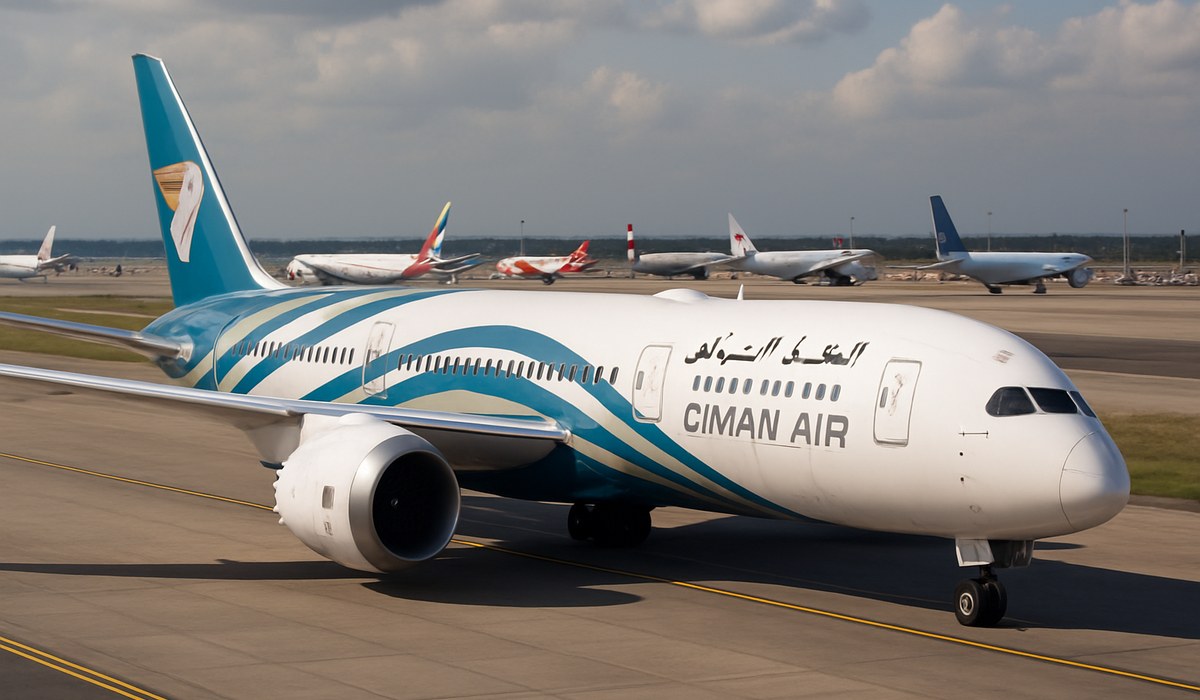
Image generated by AI
Quick Summary
• Oman Air suspends operations to seven destinations following airspace corridor closures across the Middle East • Carriers from UAE, Qatar, Kuwait, Denmark, and Iraq face simultaneous route disruptions affecting an estimated 45,000 passengers daily • Airspace restrictions force airlines to add 90–180 minutes to flight times through alternative routing over southern Europe and North Africa • Passengers holding tickets through April 15 receive automatic rebooking options with waived change fees across participating carriers
When Oman Air abruptly canceled flights to seven destinations this week, it became the latest casualty in a rapidly escalating Middle East aviation crisis that's forcing airlines from Dubai to Copenhagen to abandon routes, divert aircraft, and leave travelers scrambling for alternatives. The flag carrier announced Thursday morning that service to Kuwait City, Baghdad, Basra, Damascus, Aleppo, Amman, and Beirut would cease immediately through at least mid-April, citing "operational constraints beyond our control related to regional airspace management."
The Muscat-based airline's decision mirrors actions taken by competitors throughout the Gulf Cooperation Council states and European carriers servicing the region. What began as isolated route adjustments three weeks ago has cascaded into a system-wide rerouting crisis affecting dozens of airlines and hundreds of daily departures.
Oman Air Grounds Multiple Routes Amid Regional Restrictions
Flight tracking data confirms Oman Air withdrew its Boeing 787 and Airbus A330 aircraft from the affected routes starting at 06:00 UTC Thursday. The carrier operates 14 weekly frequencies to Kuwait alone, representing roughly 2,100 seats per week now unavailable for booking. Combined weekly capacity on the suspended routes totals approximately 8,400 seats.
Oman Aviation Group CEO Mustafa Al Hinai stated in a press briefing that the airline explored "every viable alternative corridor" before making the cancellation decision. "Direct routing through traditional airways is currently unavailable to civilian traffic," Al Hinai explained. "Rerouting these short-haul services through compliant airspace would add three to four hours to flight times, making operations commercially and operationally unviable."
The airline's systems show affected passengers receiving SMS and email notifications with three rebooking options: full refunds processed within 14 business days, transferring tickets to partner carriers on the same routes where available, or applying ticket value toward future Oman Air travel through December 2026. Call center wait times Thursday afternoon exceeded two hours according to passenger reports on social media monitoring platforms.
Muscat International Airport officials report normal operations continue for unaffected routes, with the airport handling approximately 78% of typical daily traffic volumes Thursday. The regional travel warnings issued by multiple governments compound passenger uncertainty, with several nations advising citizens to avoid non-essential travel through the affected airspace regions.
Six-Nation Ripple Effect: Which Airlines Are Impacted
The coordinated airspace restrictions now affect carriers from six nations simultaneously. Emirates and Etihad Airways modified 23 combined routes Thursday, with flights from Dubai and Abu Dhabi to European destinations now routing south over Egyptian airspace before turning northwest toward the Mediterranean. This adds an average 97 minutes to flight times according to real-time flight tracking data from FlightAware.
Qatar Airways maintains operations to most destinations but confirmed Thursday it suspended twice-daily Doha–Baghdad service and reduced Kuwait frequencies from five to three daily roundtrips. The airline's statement emphasized that affected customers receive accommodation on partner airlines through oneworld alliance arrangements.
Kuwait Airways faces particularly acute disruptions given its geographic position at the nexus of restricted airspace zones. The carrier suspended 11 routes Thursday including all services to Iraq, Syria, and Lebanon. Acting CEO Maen Razouqi told reporters the airline loses an estimated $2.8 million daily in revenue from the suspended operations.
Scandinavian Airlines (SAS) represents the most geographically distant carrier affected by the crisis. Its Copenhagen–Dubai route now requires routing through Turkish airspace and southbound over Saudi Arabia rather than the direct path across Iraq and the Gulf. This extends SAS flight SK1576 from 6 hours 15 minutes to 8 hours 30 minutes according to Thursday's departure data. The airline added that ICAO's recent safety protocols for airlines require additional fuel reserves for extended routings, further limiting passenger and cargo payload capacity.
Iraqi Airways canceled all international departures from Baghdad International Airport and Basra International Airport through March 31, affecting an estimated 6,700 passengers daily according to airport authority statistics. The carrier cited "force majeure operational conditions" in its suspension notice.
European aviation authorities report that 34 carriers now file alternative flight plans for Middle East routes. Eurocontrol's airspace management updates show air traffic control centers in Ankara, Cairo, and Jeddah processing 40% above normal daily flight plan volumes as airlines seek approved alternate corridors.
Passenger Rights and Rebooking Options During Crisis Cancellations
Travelers holding tickets on affected routes possess specific rights under international aviation regulations, though the applicability varies by carrier jurisdiction and fare class. Airlines canceling flights due to extraordinary circumstances typically must offer rebooking or refunds, but compensation for delay-related expenses remains contentious.
For European Union-based carriers or flights departing EU airports, Regulation EC 261/2004 mandates that airlines provide meals, refreshments, and hotel accommodation when delays exceed specific thresholds. However, extraordinary circumstances exemptions may apply when cancellations stem from airspace restrictions beyond airline control.
Gulf-based carriers generally follow their published conditions of carriage, which provide more limited accommodation obligations during force majeure events. Oman Air's Thursday announcement confirmed it will not provide compensation for consequential losses but will honor ticket flexibility provisions. The carrier stated affected passengers qualify for one-time fare difference waivers when rebooking to alternative destinations within the airline's network.
IATA's latest operational advisories recommend passengers contact airlines directly before arriving at airports, as information desks face unprecedented demand. The trade association's March 28 bulletin notes that "coordinated cancellation management across multiple carriers requires 48–72 hours to process system-wide rebooking requests."
Travel insurance policies containing trip interruption coverage may reimburse certain expenses, though force majeure exclusions in many policies limit claims arising from government airspace restrictions. Travelers should review policy documents specifically for "civil authority" provisions that may trigger coverage.
Consumer protection advocates emphasize documentation importance. Passengers should retain all correspondence, boarding passes, receipts for accommodation and meals, and written confirmation of cancellation reasons. These records prove essential for insurance claims and potential regulatory complaints.
Alternative Routes and Expected Timeline for Service Restoration
Airlines implementing workaround solutions face significant operational complexity. The alternative corridors involve routing aircraft through North African airspace, requiring overflight permissions from Tunisia, Algeria, and Morocco for Europe-bound flights. This regulatory coordination process typically requires 30–45 days for comprehensive approval across multiple jurisdictions.
Lufthansa Group airlines announced Thursday they secured expedited overflight clearances through Egyptian airspace for their Middle East services, reducing diversions by approximately 35 minutes compared to the southern Mediterranean routing. The German carrier group anticipates maintaining alternative routing through April before transitioning to direct paths "subject to airspace status normalization."
Aviation analysts project service restoration timelines ranging from four to eight weeks depending on diplomatic negotiations currently underway. Airspace Management Consultancy director Patricia Cheng told industry publication Airways International that "civilian aviation typically resumes 14–21 days after military airspace restrictions lift, allowing time for Notice to Airmen (NOTAM) updates and carrier operational planning."
Several airlines explore creative solutions to maintain connectivity. Turkish Airlines expanded its Istanbul hub's transfer capacity, positioning itself as an alternative connecting point for passengers traveling between Europe and the Gulf. The carrier added 18 weekly frequencies on trunk routes Thursday to accommodate displaced traffic.
Low-cost carriers serving the region face particularly challenging economics. Flydubai suspended eight routes Thursday, representing 22% of its total network. The airline's point-to-point model cannot absorb the added fuel costs of extended routing without drastically increasing fares.
Technology platforms aid passenger rebooking efforts. Systems similar to those implemented by carriers like SriLankan Airlines' operational resilience strategies allow automated rebooking across partner networks based on passenger preferences and availability. These systems reduce manual processing time from hours to minutes per passenger.
Industry observers note that extended diversions may trigger temporary capacity shortages on unaffected routes as airlines redeploy aircraft to maintain connectivity. This secondary effect could produce higher fares and reduced availability on popular routes through April.
FAQ: Middle East Flight Disruptions
Which airlines are currently suspending Middle East routes?
Oman Air, Kuwait Airways, Iraqi Airways, Emirates, Etihad, Qatar Airways, and multiple European carriers including SAS have announced route suspensions or significant schedule modifications. The affected airlines collectively operate more than 400 weekly flights through the impacted airspace corridors.
Can I get a refund if my flight was canceled due to airspace restrictions?
Yes, nearly all carriers offer full refunds for flights they cancel regardless of cause. Processing times vary from 7–21 business days depending on the airline and original payment method. Passengers booking through third-party agencies should contact the booking agent directly for refund processing.
How much longer are diverted flights taking?
Diversions add between 90 and 180 minutes to typical flight times depending on origin, destination, and available alternative routing. Flights between Europe and the Gulf states experience the longest additions, while intra-Gulf routes face more severe constraints making many services operationally impractical.
Will travel insurance cover expenses from these cancellations?
Coverage depends entirely on your specific policy terms. Comprehensive travel insurance with trip interruption and cancellation coverage may reimburse certain expenses, but many policies exclude losses arising from government actions or force majeure events. Review your policy's civil authority and supplier failure provisions.
When will normal flight operations resume in the region?
Airlines and aviation authorities have not provided definitive restoration dates. Current airline notices indicate disruptions will continue through at least mid-April 2026, with gradual service restoration expected to begin in late April subject to airspace status changes and regulatory approvals for resumed routing.
Related Articles:
Disclaimer
This article is for informational and educational purposes only. It does not constitute legal, financial, or professional advice. While we strive to provide accurate and up-to-date information, travel policies, regulations, and conditions change rapidly. Always verify information with official sources before making travel decisions. Nomad Lawyer makes no representations about the accuracy, reliability, completeness, or suitability of the information provided. Readers should consult qualified professionals for advice specific to their circumstances. The views expressed in this article are those of the author and do not necessarily reflect the views of Nomad Lawyer.
Raushan Kumar
Founder & Lead Developer
Full-stack developer with 11+ years of experience and a passionate traveller. Raushan built Nomad Lawyer from the ground up with a vision to create the best travel and law experience on the web.
Learn more about our team →