
Iraq Travel Alert 2026: US Embassy Issues Level 4 'Do Not Travel' Warning
The U.S. Embassy in Baghdad has issued a Level 4 'Do Not Travel' advisory for Iraq, citing extreme security risks from terrorism, kidnapping, and armed conflict.

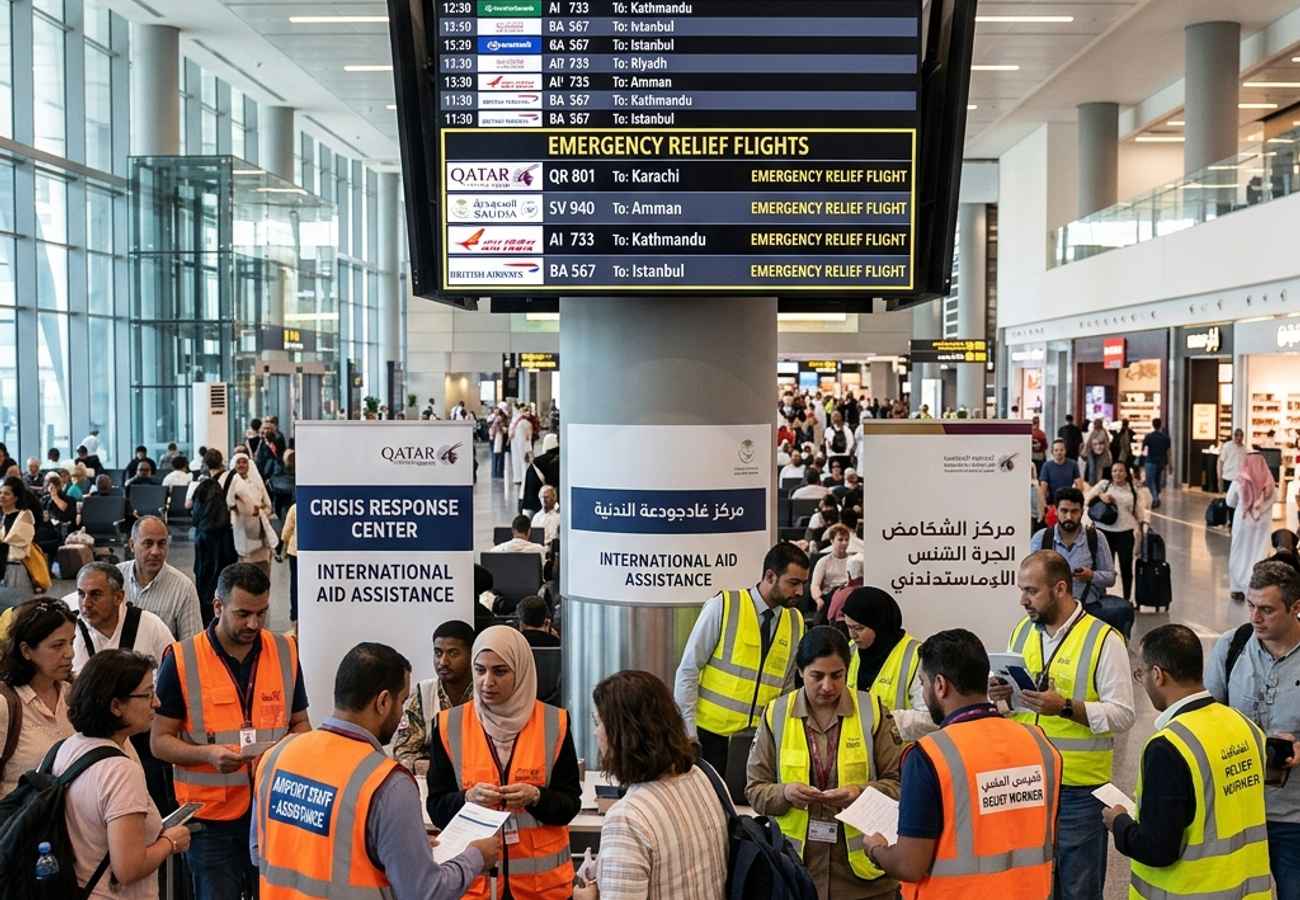
Image generated by AI
Quick Summary
- Highest Warning Level: The U.S. Department of State has classified Iraq under Level 4 — Do Not Travel, the most severe advisory level possible.
- Urgent Mandate: Citizens currently in Iraq are urged to "Leave Now," as the security environment is considered extremely volatile.
- Core Threats: The advisory cites persistent risks of terrorism, kidnapping, armed conflict, and civil unrest, including targeted attacks by Iran-aligned militias.
- Infrastructure Risks: Iraqi airspace remains high-risk due to potential missile, drone, and projectile activity, leading to sudden commercial flight cancellations.
The security landscape in Iraq has reached a critical flashpoint in May 2026, prompting the U.S. Embassy and several international governments to warn against all non-essential travel. The heightened alert reflects a deteriorating environment where foreign nationals are increasingly targeted by paramilitary groups and insurgent factions. With limited consular assistance and a high probability of civil unrest, travelers are advised to avoid all transit through Iraqi territory and reconsider any itineraries involving the Middle East corridor.
Iraq Security Environment: Advisory Levels and Core Threats (May 2026)
The current security status reflects systemic risks that extend beyond conventional combat zones into major urban and cultural hubs.
| Threat Category | Severity Level | Details / Operational Impact |
|---|---|---|
| Terrorism | Extreme | Targeted attacks on civilians and security forces |
| Kidnapping | High | Foreigners targeted for ransom or political leverage |
| Armed Conflict | Widespread | Militia activity independent of government control |
| Airspace Safety | High Risk | Potential drone, missile, and rocket activity |
| Consular Services | Limited | Routine diplomatic support is suspended |
| Overall Status | Level 4 | "Do Not Travel / Leave Now" |
Level 4 Advisory: 'Do Not Travel' and 'Leave Now' Mandate
The U.S. Department of State’s Level 4 classification is an explicit directive to avoid the country for any reason. For those already in Iraq, the embassy has underscored that "assistance is limited," and visitors may be required to arrange their own emergency evacuations. The warning follows a surge in militia-led actions against Western interests, making even the Green Zone and diplomatic enclaves susceptible to unpredictable escalations.
Escalating Threats: Militias, Kidnapping, and Armed Conflict
Iran-aligned militias continue to operate throughout the country, frequently targeting U.S. assets and foreign nationals. These asymmetric threats include:
- Targeted Violence: Small-arms attacks and improvised explosive devices (IEDs) in urban centers.
- Kidnapping Operations: Militant factions utilize kidnapping as a tool for propaganda and political leverage, particularly in rural and frontier provinces.
- Civil Unrest: Protests in Baghdad and southern provinces can turn violent without notice, often resulting in the closure of major transportation routes.
Airspace and Transit Risks: Missile and Drone Activity
The threat to international travelers is not confined to the ground. The U.S. Embassy has issued specific cautions regarding Iraqi airspace:
- Projectile Risks: Ongoing regional conflicts have increased the likelihood of missile and drone debris impacting commercial flight corridors.
- Commercial Instability: Airlines may cancel flights into Baghdad or Erbil with minimal notice, leaving travelers stranded without government-led repatriation options.
Historic Sites and Tourism: All Routes Considered Unsafe
Iraq's rich archaeological heritage, including the ruins of Babylon, the shrines of Karbala, and the historic sites of Mosul, are currently inaccessible for safe tourism. Foreign ministries around the world have echoed the U.S. advisory, placing these culturally significant areas on "No Travel" lists. Standard travel insurance policies frequently exclude coverage for injuries or losses sustained in Level 4 zones, making independent or academic research trips a high-liability risk.
Kurdistan Region: Stability vs. Emerging Risks
While the Kurdistan Region—including cities like Erbil and Sulaymaniyah—has historically been perceived as more stable than central Iraq, it is no longer exempt from high-risk advisories. Militia-led drone strikes and cross-border tensions have frequently breached Kurdish security, and the U.S. Embassy maintains that the region remains vulnerable to unpredictable shifts in the geopolitical climate.
FAQ: Iraq Travel Alert 2026
Is it safe to visit the Kurdistan Region of Iraq? No. While Erbil and Sulaymaniyah have more robust security than Baghdad, the current Level 4 advisory applies to the entirety of Iraq, including the Kurdistan Region, due to regional militia activity and potential airspace risks.
Can I get emergency assistance from the US Embassy in Iraq? Assistance is extremely limited. Routine consular services have been suspended, and the U.S. government cannot guarantee safety or evacuation for citizens who choose to remain in the country despite the "Leave Now" order.
Does my travel insurance cover trips to Iraq? Most standard travel insurance providers explicitly exclude coverage for destinations under a government "Do Not Travel" advisory. Travelers should verify their policy terms and expect to pay for any medical or security evacuations out of pocket.
Related Travel Guides
Disclaimer
This article is for informational and educational purposes only. It does not constitute legal, financial, or professional advice. While we strive to provide accurate and up-to-date information, travel policies, regulations, and conditions change rapidly. Always verify information with official sources before making travel decisions. Nomad Lawyer makes no representations about the accuracy, reliability, completeness, or suitability of the information provided. Readers should consult qualified professionals for advice specific to their circumstances. The views expressed in this article are those of the author and do not necessarily reflect the views of Nomad Lawyer.
Kunal K Choudhary
Co-Founder & Contributor
A passionate traveller and tech enthusiast. Kunal contributes to the vision and growth of Nomad Lawyer, bringing fresh perspectives and driving the community forward.
Learn more about our team →