
Northern Tasmania's Wellness Tourism Precinct: Thermal Immersion, Crown Land EOI, and Nature Retreat Guide 2026

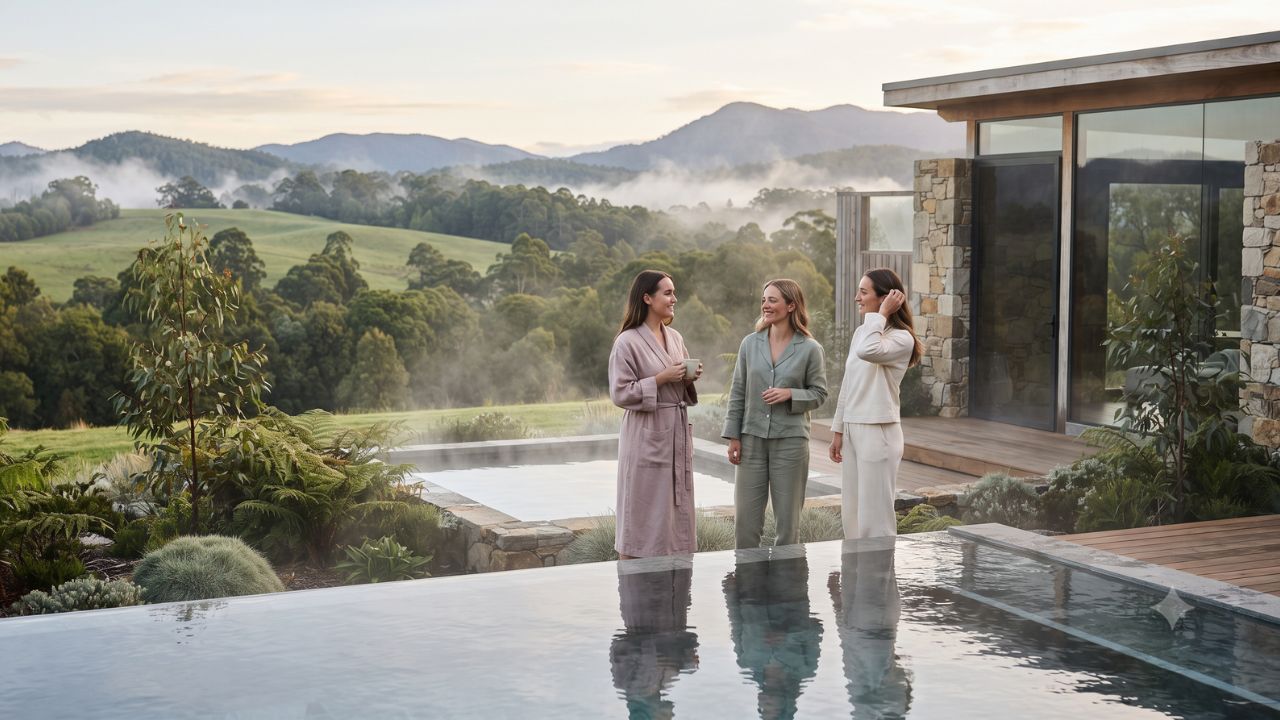
While 95% of Australian travelers express interest in wellness holidays, only 22% describe themselves as purely wellness-motivated—with an overwhelming 88% insisting on shared nature escapes alongside partners, family, or friends rather than solitary spa retreats. Recognizing that modern travelers prioritize forest immersion, unpolluted night skies, and thermal bathing over clinical detox clinics, the Tasmanian Government opened a three-month Expression of Interest (EOI) in October 2026, designating prime Crown land across Northern Tasmania for a nationally significant wellness tourism precinct.
Crown Land EOI: Designing a World-Class Nature Retreat
The initiative, supported by planning facilitation from the state government, invites private developers, institutional investors, and hospitality operators to submit comprehensive proposals for an integrated restoration destination. The project aligns directly with the Tasmanian Government’s Northern Economic Plan, released on 20 September 2026 following the Northern Economic Summit held in July.
Rather than dictating an inflexible architectural footprint, the EOI outlines prospective facilities that could include outdoor thermal bathing, hot and cold contrast plunge pools, luxury eco-accommodation, preventative health programs, and guided trail walking networks. As highlighted by Tasmanian Premier Jeremy Rockliff, modern vacationers actively seek opportunities to disconnect from digital pressures and reconnect with pristine wilderness.
Tourism Tasmania chief executive Sarah Kingston-Clark noted that the project is designed to build upon established local capabilities, stating that the EOI focuses on backing what regional guides, growers, and operators already deliver rather than importing an artificial wellness model. Meanwhile, Tourism Industry Council Tasmania chief executive Amy Hills observed that the project complements Northern Tasmania's established reputation for world-class golf at Barnbougle, cool-climate Tamar Valley viticulture, Blue Derby mountain biking trails, and farm-to-table gastronomy.
Australian Wellness Travel Demand & Proposed Precinct Metrics
The consumer research commissioned by Tourism Tasmania reveals distinct travel preferences, shared itinerary behaviors, and proposed development specifications:
| Dimension / Indicator | Tourism Tasmania Research Finding | Proposed Precinct Scope | Regional Travel Implication |
|---|---|---|---|
| Core Wellness Motivation | 22% strongly driven by wellness | Dedicated therapy retreats & plunge baths | High-yield travelers seeking structured restoration and preventative health. |
| Broad Wellness Receptivity | 73% open to wellness experiences | Integrated daytime bathing & nature walks | Leisure vacationers pairing spa visits with wine tasting and hiking. |
| Social Travel Dynamic | 88% plan to travel with companions | Group suites, shared pools, communal fire pits | Requires accommodation designs catering to couples, families, and friend groups. |
| Primary Brand Associations | Clean air, tranquil forests, untamed nature | Low-impact timber architecture on Crown land | Differentiates Tasmania from generic urban day spas. |
| Featured Outdoor Pursuits | Stargazing, sunrise viewing, nocturnal tours | Dark-sky platforms and wildlife trails | Extends visitor length of stay beyond indoor treatment facilities. |
| Governance & Procurement | Three-month EOI launching October 2026 | Crown land parcel in Northern Tasmania | Government provides statutory planning assistance to successful proponent. |
| Economic Policy Context | Northern Economic Plan (20 September 2026) | Originating from July 2026 Economic Summit | Supports year-round job creation and regional capital investment. |
What Makes Northern Tasmania Different: Pristine Elements and Microclimates
Northern Tasmania occupies a unique geographical position promoted globally by Tourism Australia. The region is blessed with baseline atmospheric purity; baseline air monitoring stations at nearby Cape Grim consistently record the cleanest air on the planet, swept across thousands of kilometers of open Southern Ocean without touching land.
Anchored by Launceston—a designated UNESCO City of Gastronomy—the north combines urban heritage with untamed river gorges. Within a 15-minute walk of the city center, Cataract Gorge features ancient dolerite cliffs, wild peacocks, and fern glades along the South Esk River. Venturing northwest along the Tamar River brings travelers into cool-climate vineyards where maritime breezes nurture exceptional traditional-method sparkling wines and Pinot Noir.
Further inland, the ancient temperate rainforests of Cradle Mountain-Lake St Clair National Park, managed by the Tasmanian Parks & Wildlife Service, shelter endemic species including Tasmanian devils, wombats, and platypuses. The contrast between jagged alpine quartzite peaks, moss-covered myrtle beech trees, and quiet coastal lagoons provides an environment where physical restoration occurs naturally.
Visitor Insider Tips: Exploring Northern Tasmania's Natural Sanctuaries
Drawing upon extensive field journeys across Northern Tasmania's rivers and highlands, here are insider strategies for an exceptional restorative trip:
- Base Yourself in Launceston's Historic Wharves: Instead of staying in generic chain motels, select boutique heritage hotels along the Seaport or restored woolstores in Launceston. You gain direct access to the Saturday Harvest Market, where local truffle growers, organic cheesemakers, and berry farmers gather.
- Timing the Tamar Valley Cellar Doors: Tamar Valley wineries welcome travelers year-round, but mid-autumn (March to May) offers golden vineyard foliage and quiet tasting rooms. Schedule cellar door tastings between 11:00 AM and 2:00 PM on weekdays to engage directly with resident winemakers.
- Night-Walking for Nocturnal Wildlife: Many of Tasmania's iconic creatures are nocturnal. Pack a red-light headlamp (which does not disorient animals) and take quiet evening walks around Narawntapu National Park or Cradle Valley to observe wild wombats grazing along button-grass plains.
- Pack Thermal Layers for Rapid Weather Shifts: Tasmania's southern maritime latitude means weather can cycle from bright sunshine to chilly Antarctic winds within hours. Always carry merino wool base layers, a waterproof windbreaker, and sturdy walking boots, even during midsummer in January.
- Experience Cold-Water Immersion Safely: While waiting for commercial thermal pools to develop, seasoned travelers practice natural hydrotherapy by dipping into the crisp river pools of Cataract Gorge or the clear ocean waters of Bridport, followed by warm tea brewed from local mountain pepperberry.
Cultural and Environmental Context: Crown Land Stewardship and Regenerative Tourism
Developing large-scale hospitality projects on Crown land requires strict ecological oversight and cultural respect. Northern Tasmania encompasses the ancestral homelands of the Palawa people, who cared for these coastal marshes, eucalyptus forests, and river estuaries for tens of thousands of years. Any successful development proposal must integrate Palawa cultural heritage assessments, protecting sacred stone quarries and middens while offering authentic Indigenous cultural storytelling.
Environmentally, the precinct's Crown land tenure mandates low-impact architectural practices. Developers must employ off-grid solar arrays, rainwater harvesting, closed-loop greywater purification, and biophilic timber construction that blends into surrounding forest canopies. By directing tourist expenditure toward regional conservation rangers and local organic producers promoted through Discover Tasmania, the project demonstrates how restorative tourism can generate regional prosperity while protecting Tasmania’s wilderness for future generations.
FAQ: Visiting Northern Tasmania 2026
What is the closest commercial airport to Northern Tasmania's wellness region?
Launceston Airport (LST) is the primary aviation gateway, offering daily nonstop jet flights from Melbourne, Sydney, and Brisbane with rental car depots on site.
What is the best season for nature and wellness travel in Tasmania?
Summer and early autumn (December through April) provide warm, stable weather for bushwalking and outdoor bathing, while crisp winter months (June to August) offer roaring fires and quiet alpine trails.
Do I need a parks pass to visit Cradle Mountain and national reserves?
Yes. All visitors entering national parks must purchase a Tasmanian Parks Pass online or at visitor centers, with daily and holiday passes funding trail maintenance and wildlife protection.
How many days should I budget for a Northern Tasmania itinerary?
Plan at least five to seven days to combine Launceston's food scene, Tamar Valley wine routes, Cradle Mountain hikes, and coastal escapes along the Bass Strait.
[In the quiet shadows of ancient pencil pines and the purest air on earth, Northern Tasmania whispers that real restoration is not an escape from life, but a return to it.]
Related Travel Guides
Disclaimer
This article is for informational and educational purposes only. It does not constitute legal, financial, or professional advice. While we strive to provide accurate and up-to-date information, travel policies, regulations, and conditions change rapidly. Always verify information with official sources before making travel decisions. Nomad Lawyer makes no representations about the accuracy, reliability, completeness, or suitability of the information provided. Readers should consult qualified professionals for advice specific to their circumstances. The views expressed in this article are those of the author and do not necessarily reflect the views of Nomad Lawyer.
Kunal K Choudhary
Co-Founder & Contributor
A passionate traveller and tech enthusiast. Kunal contributes to the vision and growth of Nomad Lawyer, bringing fresh perspectives and driving the community forward.
Learn more about our team →