
North Carolina Visitor Economy 2025: Halifax County and Regional Tourism Spending Trends
North Carolina's visitor economy reached a record $37.2 billion in 2025, with Halifax County showing resilience amidst uneven regional growth in the Northeast Prosperity Zone.

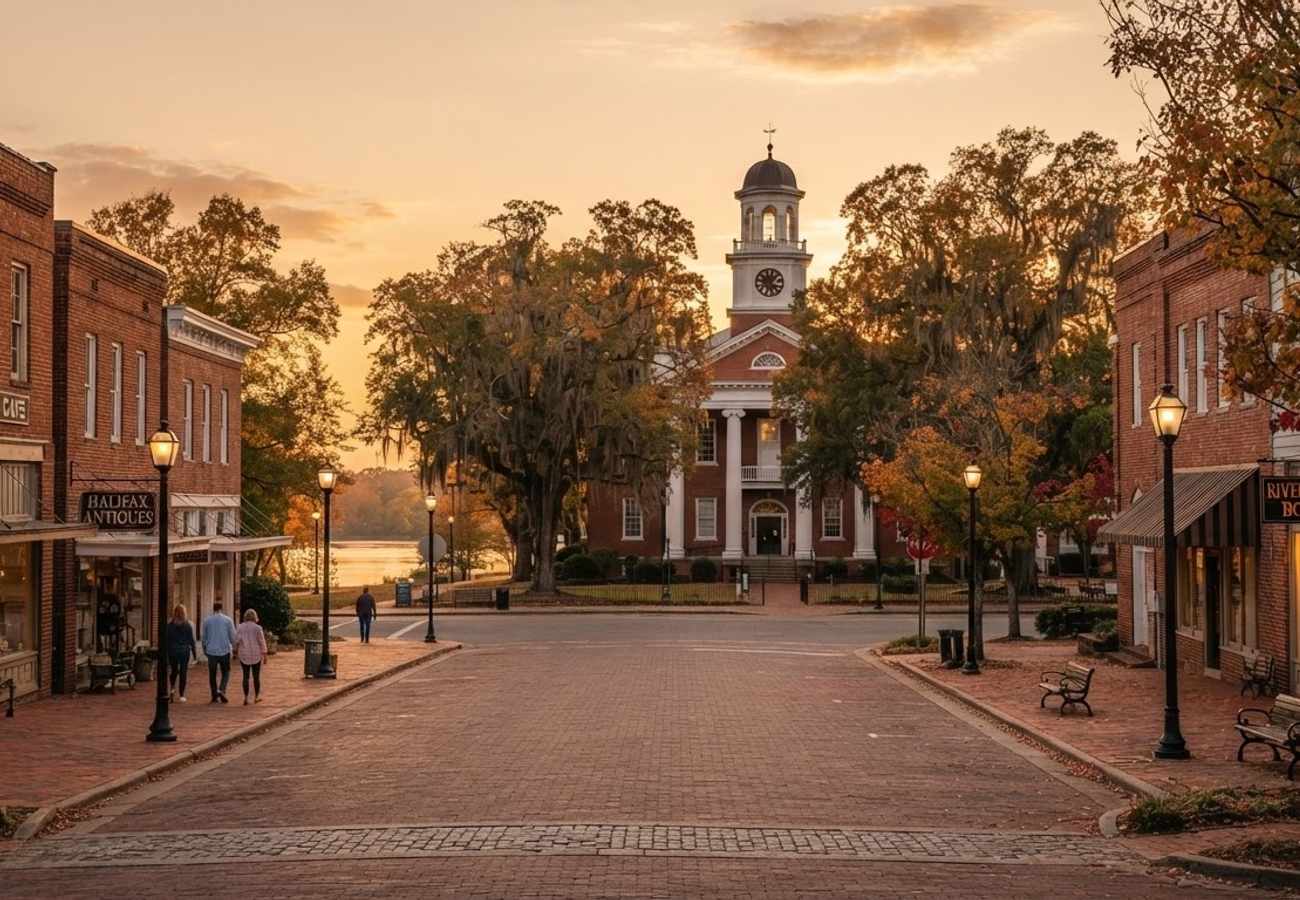
Image generated by AI
North Carolina’s total visitor spending reached a record $37.2 billion in 2025. While growth remains uneven across the state's 100 counties, Halifax County has emerged as a resilient hub in the Northeast Prosperity Zone.
State-Level Economic Performance
Data from Tourism Economics, prepared for Visit North Carolina, indicates a 1.3% year-on-year increase in statewide visitor spending. This growth is driven by a diverse mix of urban business hubs, mountain escapes, and coastal destinations.
The state's tourism sector supported 230,997 direct jobs in 2025. The direct tourism payroll reached approximately $9.85 billion, contributing $1.39 billion in state taxes and $1.33 billion in local taxes.
Halifax County Impact Analysis
Halifax County demonstrated significant economic stability in 2025, recording $132.83 million in visitor spending. This represents a 0.8% increase over 2024 figures.
Our analysis of the Northeast Prosperity Zone—comprising 17 counties—shows that Halifax was one of only nine counties to record growth, while eight others experienced declines.
Key Halifax County Metrics (2025):
- Total Visitor Spending: $132.83 million (Ranked 46th statewide)
- Direct Tourism Jobs: 756 (Ranked 5th in Northeast Prosperity Zone)
- Personal Income Generated: $32.04 million (Ranked 4th in Northeast Prosperity Zone)
Top Performing Tourism Hubs by Expenditure
The visitor economy is heavily concentrated in five primary counties, which combine business travel, conventions, and high-density leisure tourism.
| County | 2025 Visitor Spending | Primary Driver |
|---|---|---|
| Mecklenburg | $6.47 billion | Urban/Business |
| Wake | $3.63 billion | Urban/Conventions |
| Buncombe | $2.59 billion | Mountain Leisure |
| Dare | $2.09 billion | Coastal/Long-stay |
| Guilford | $1.85 billion | Urban/Cultural |
Other significant contributors include Brunswick County ($1.25 billion), New Hanover County ($1.21 billion), and Durham County ($1.17 billion).
Growth Trends and Regional Volatility
While the statewide trend is positive, individual county performance varies based on recovery conditions and visitor demand.
High-Growth Counties:
- Macon County: +11.1%
- Richmond County: +9.7%
- Johnston County: +7.2%
- New Hanover County: +5.8%
- Moore County: +4.9%
Declining Markets: Several major destinations, including Buncombe, Dare, and Forsyth, saw lower spending compared to 2024. Rutherford County experienced the most significant drop with an 8.2% decline.
Overnight Tourism and Lodging Expenditure
Lodging spending serves as a primary indicator of the economic value of overnight travel. Our analysis shows a stark divide between urban short-stays and destination-led long-stays.
Mecklenburg led the state in lodging expenditure at $1.54 billion, followed by Wake ($903.17 million) and Buncombe ($755.68 million). Coastal hubs like Dare ($556.12 million) and Brunswick ($306.29 million) continue to rely on high-volume overnight tourism.
Passenger Rights & Visitor Advisory
For travelers visiting North Carolina, the shift toward rural and "experience-based" tourism in counties like Halifax means a change in infrastructure expectations.
Our analysis of the regional travel landscape suggests the following for visitors:
- Accommodation Availability: In high-growth counties like Macon or Richmond, hotel capacity may struggle to keep pace with the 7-11% growth rates. We advise booking lodging at least 30 days in advance during peak seasons.
- Transportation: As tourism expands into rural counties, reliance on rental vehicles increases. Ensure rental agreements include comprehensive coverage for rural road travel.
- Consumer Protections: For those booking through third-party platforms for rural B&Bs or boutique hotels in the Northeast Prosperity Zone, ensure you have a written cancellation policy. Under US DOT guidelines, while airline refunds are regulated, lodging refunds are governed by individual contract terms.
Industry Analyst View
The 2025 data reveals a maturing tourism market in North Carolina. The state is successfully diversifying its "visitor product" beyond the traditional Charlotte-Raleigh-Asheville triangle.
The resilience of Halifax County is particularly noteworthy. In a year where eight neighboring counties in the Northeast Prosperity Zone contracted, Halifax's growth suggests a successful pivot toward niche cultural and heritage tourism. However, the volatility in Buncombe and Dare counties indicates that the state's primary hubs may be reaching a saturation point or are more susceptible to macroeconomic shifts in traveler spending.
North Carolina's economic resilience now depends on the continued growth of its secondary and tertiary markets.
Related Travel Guides
Disclaimer
This article is for informational and educational purposes only. It does not constitute legal, financial, or professional advice. While we strive to provide accurate and up-to-date information, travel policies, regulations, and conditions change rapidly. Always verify information with official sources before making travel decisions. Nomad Lawyer makes no representations about the accuracy, reliability, completeness, or suitability of the information provided. Readers should consult qualified professionals for advice specific to their circumstances. The views expressed in this article are those of the author and do not necessarily reflect the views of Nomad Lawyer.
Preeti Gunjan
Contributor & Community Manager
A passionate traveller and community builder. Preeti helps grow the Nomad Lawyer community, fostering engagement and bringing the reader experience to life.
Learn more about our team →