
North Carolina Underrated Outer Banks Gateway Town 2026
A hidden Outer Banks gateway town in North Carolina offers travelers authentic coastal charm, farm-to-table dining, and vibrant farmers markets. Discover why this underrated destination deserves your 2026 visit.

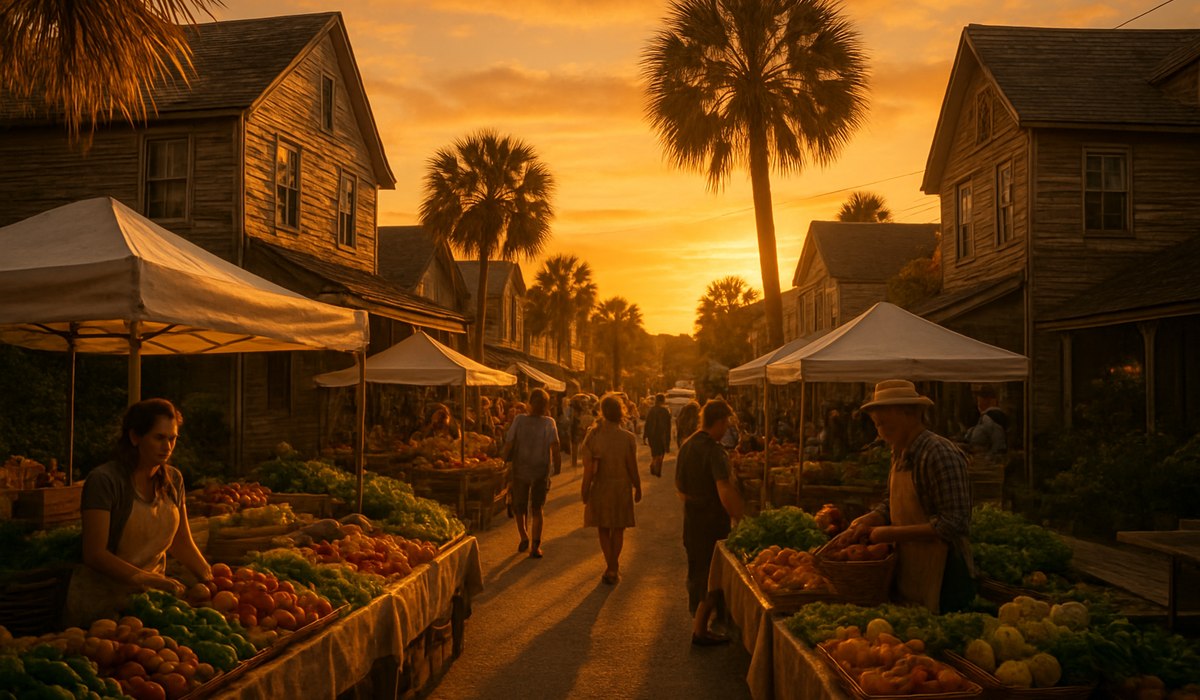
Image generated by AI
A Hidden North Carolina Gem Awaits Coastal Travelers
North Carolina's Outer Banks region stretches across a 200-mile barrier island system, yet many travelers focus solely on popular beach destinations. One overlooked gateway town in the Outer Banks is quietly becoming a favorite for visitors seeking authentic coastal experiences without overwhelming crowds. This North Carolina underrated destination combines small-town hospitality, culinary excellence, and genuine community character—making it an ideal base for exploring the region. The town draws both leisure travelers and digital nomads who value local engagement, sustainable dining, and accessible outdoor activities.
Why This Outer Banks Town Deserves Your Next Visit
The appeal of this friendly community extends beyond typical beach attractions. Visitors encounter genuine North Carolinian hospitality where locals actively engage with travelers and share insider recommendations. The town's walkable downtown corridor features independent shops, waterfront access, and a deliberate slow-pace ethos that contrasts sharply with overcrowded resort areas.
Infrastructure improvements in 2026 have enhanced accessibility without sacrificing character. The local government has prioritized sustainable tourism practices, including expanded parking areas and improved pedestrian pathways. Unlike crowded Outer Banks hotspots, this gateway town maintains its authentic charm while accommodating growing visitor interest. The town's strategic location provides convenient access to beaches, maritime heritage sites, and natural preserves within a 30-minute radius. Travelers report that spending 3-5 days here yields deeper connections with coastal culture than rushed single-day visits to larger destinations.
For more context on emerging coastal destinations, visit the National Trust for Historic Preservation's guide to sustainable tourism communities.
Local Dining Scene: Farm-to-Table and Coastal Cuisine
The restaurant landscape reflects North Carolina's agricultural abundance and maritime heritage. Farm-to-table establishments partner directly with regional growers, creating menus that shift seasonally and showcase local ingredients. Several acclaimed chefs have relocated to this Outer Banks town specifically to access quality ingredients and operate in a lower-pressure environment.
Signature dishes emphasize fresh seafood—including shrimp, flounder, and locally-caught grouper—prepared with techniques ranging from traditional coastal recipes to contemporary preparations. Vegetarian and dietary-restricted options feature prominently, reflecting farm-direct sourcing. Casual waterfront cafes compete with upscale dinner establishments, ensuring dining options fit various budgets and occasions.
The dining scene supports economic resilience; restaurants employ local staff and source from regional suppliers, cycling revenue directly into the community economy. Reviews on platforms like OpenTable and Google consistently highlight ingredient quality and chef expertise. Weekend reservations are advisable during peak season (May-September), though walk-ins find seating at many establishments year-round.
Explore coastal North Carolina cuisine further through North Carolina Travel and Tourism's official dining guide.
Farmers Markets and Fresh Local Produce
Weekly farmers markets represent the community's agricultural identity. These markets operate year-round, though spring-through-fall seasons feature the broadest producer participation. Vendors offer heirloom vegetables, pasture-raised meats, artisanal cheeses, and prepared foods—many produced within 50 miles.
Regular attendees develop relationships with growers, who provide expertise on produce seasonality and preparation methods. Market hours typically run Thursday and Saturday mornings, with extended evening sessions during summer months. Prices remain competitive with supermarket alternatives while supporting direct producer-to-consumer economics.
Beyond produce, markets feature local honey, preserves, baked goods, and craft items. This friendly community atmosphere encourages conversation; shoppers frequently exchange recipe ideas and gardening techniques. Many restaurants source inventory directly from market vendors, creating transparent supply chains that diners can observe firsthand.
The agricultural connection strengthens during fall season when markets transition to harvest celebrations, attracting families and visitors seeking authentic community events. These gatherings serve educational purposes, with master gardeners and extension agents offering free consultations on local growing practices.
Things to Do Beyond Food and Shopping
This North Carolina underrated destination offers activities balancing leisure and exploration. Kayaking opportunities abound in protected waterways, with rental facilities providing beginner-friendly equipment and guided tours. Trails wind through maritime forests featuring native oak, pine, and understory vegetation adapted to coastal conditions.
Historic preservation efforts showcase colonial-era structures and maritime heritage museums. Self-guided walking tours highlight architectural details and explain settlement patterns dating to the 17th century. Photography enthusiasts capture compelling compositions at sunrise and sunset, when golden light illuminates waterfront districts.
Birdwatching proves exceptional during spring and fall migrations, with rare species occasionally spotted along designated routes. Local guides offer specialized birding tours featuring ecological context and behavioral information. Beach access provides swimming, shelling, and contemplative strolls, with several public access points maintaining restrooms and parking facilities.
Cultural programming includes summer concert series, art exhibitions, and seasonal festivals celebrating local heritage. These events draw both residents and visitors, fostering inclusive community participation. Bicycle rentals and maintained paths encourage car-free exploration, promoting sustainable tourism and reducing environmental impact.
Key Data Table: North Carolina Outer Banks Gateway Town Essentials
| Category | Details |
|---|---|
| Location | Outer Banks barrier islands, eastern North Carolina coast |
| Population | 3,500-4,200 year-round residents (varies by season) |
| Median Restaurant Price (entree) | $16-$28 farm-to-table; $12-$18 casual dining |
| Farmers Market Frequency | Weekly: Thursday mornings, Saturday mornings year-round |
| Average Hotel Room Rate | $85-$165 off-season; $130-$220 peak season (May-September) |
| Top Dining Focus | Seasonal farm-to-table, fresh seafood, locally-sourced ingredients |
| Primary Outdoor Activity | Kayaking, hiking, birdwatching, beach access |
| Walkability Score | 72/100 (Very Walkable) |
| Bike-Friendly Infrastructure | Extensive protected paths, rental facilities, dedicated lanes |
| Best Visiting Period | April-May, September-October (mild weather, manageable crowds) |
| Approximate Drive Time from Raleigh | 2.5-3 hours via US-64 East |
What This Means for Travelers
This emerging destination offers practical advantages for multiple travel styles:
-
Budget-Conscious Visitors: Off-season accommodations (November-March) provide 40-50% savings while maintaining restaurant and market access. Farmers markets offer cost-effective meal sourcing for self-catering travelers.
-
Culinary Enthusiasts: Direct producer access through markets and restaurant sourcing transparency enables deeper engagement with food systems. Cooking classes and farm tours can be arranged through local hospitality bureaus.
-
Digital Nomads: Reliable WiFi infrastructure, affordable monthly rentals, and vibrant community spaces support extended stays. Coworking facilities and coffee shops provide professional work environments without corporate sterility.
-
Families: Beaches, gentle kayaking, farmers markets, and cultural events provide screen-free engagement. Educational nature programs teach coastal ecology and maritime history through experiential learning.
-
Relaxation-Focused Travelers: The slower pace, intimate scale, and hospitality-centered culture create restorative experiences contrasting sharply with high-intensity resort environments. Spa services and waterfront dining support wellness-oriented itineraries.
-
Photographers: Diverse subjects—market activity, waterfront architecture, wildlife, seasonal light—provide compelling visual narratives across all seasons.
FAQ
What's the best time to visit this Outer Banks gateway town? April through May and September through October offer optimal conditions: mild temperatures (60-75°F), active farmers markets, manageable crowds, and full restaurant operations. Summer proves busier and
Disclaimer
This article is for informational and educational purposes only. It does not constitute legal, financial, or professional advice. While we strive to provide accurate and up-to-date information, travel policies, regulations, and conditions change rapidly. Always verify information with official sources before making travel decisions. Nomad Lawyer makes no representations about the accuracy, reliability, completeness, or suitability of the information provided. Readers should consult qualified professionals for advice specific to their circumstances. The views expressed in this article are those of the author and do not necessarily reflect the views of Nomad Lawyer.
Preeti Gunjan
Contributor & Community Manager
A passionate traveller and community builder. Preeti helps grow the Nomad Lawyer community, fostering engagement and bringing the reader experience to life.
Learn more about our team →