
Noctourism Demands Surge in Portugal, France, and Ireland
Dark sky reserves in Portugal, France, and Ireland lead the rise of noctourism, with 67% of international travelers planning stargazing trips in 2026.

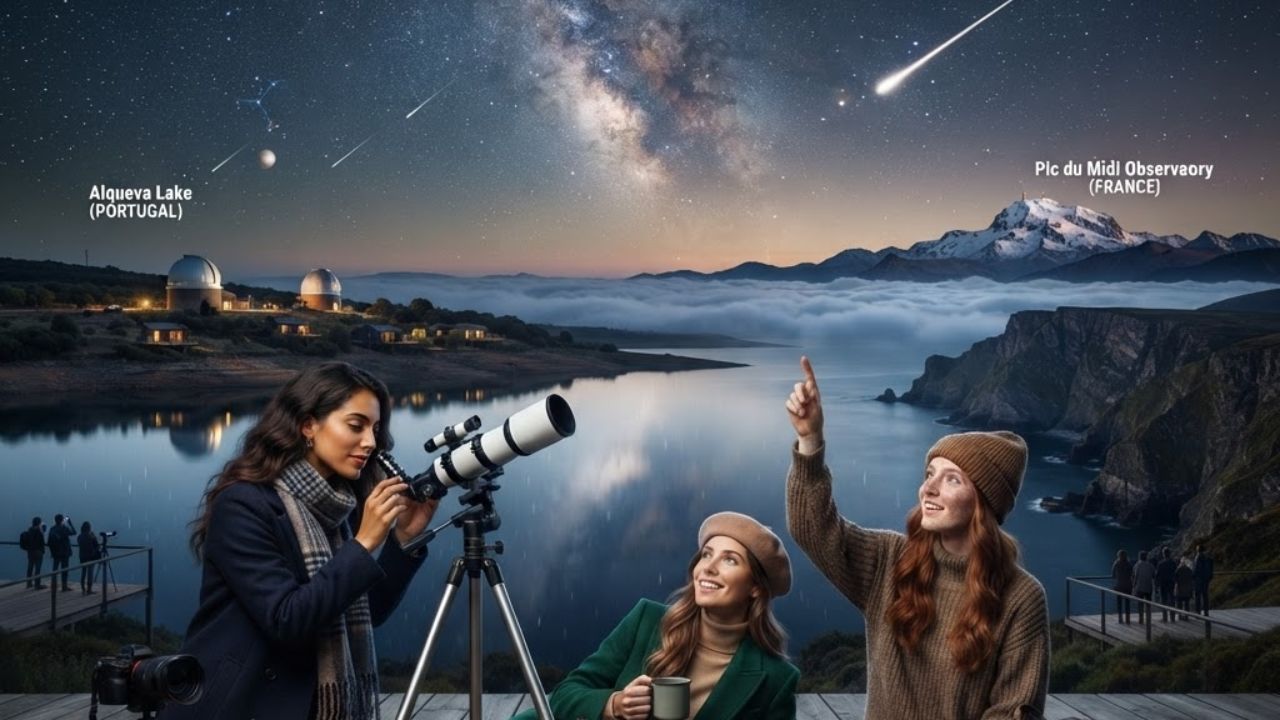
Image generated by AI
Protected night landscapes are transforming European travel, with certified European dark sky reserves noctourism programs attracting high-value travelers to remote regions in Portugal, France, and Ireland.
A significant shift in vacation planning is elevating the nighttime environment into a primary destination asset, with European dark sky reserves noctourism bookings showing rapid expansion. Market research indicates that 67 percent of travelers intend to integrate a stargazing, astrophotography, or night-excursion activity into their itineraries during 2026. Rather than booking traditional city weekenders, travelers are prioritizing low light pollution zones, certified reserves, and high-altitude mountain observatories.
Europe's Leading Dark Sky Havens
Three major European countries are leading the development of astronomical tourism:
- Portugal: The Observatório Oficial Dark Sky Alqueva in the Alentejo region spans 10,000 square kilometers. The reserve is recognized for lakeside stargazing and "star-bathing" programs, winning top honors at the Tourism Leaders Awards 2026.
- France: The Pic du Midi de Bigorre observatory in the Pyrenees sits at an altitude of approximately 3,000 meters. The high elevation bypasses lower atmospheric moisture, offering clear viewings through research-grade telescopes.
- Ireland: The Kerry Dark Sky Reserve on the Atlantic coastline benefits from its remote westerly location, blocking out artificial light pollution.
Tourism operators are coordinating with local municipalities to enforce strict light control regulations, preserving the quality of night-sky viewing.
Key Celestial Events and Feeder Demographics
Outbound interest is projected to peak around August 12, 2026, when the Perseids meteor shower reaches its annual maximum while Venus displays high night-sky visibility. Later in the year, parts of Iceland, Spain, and Portugal will serve as major observation zones for a total solar eclipse, driving significant travel bookings.
The demographic makeup of noctourism bookings highlights diverse visitor segments:
- North America: Represents the largest international market, with travelers from the US and Canada accounting for over 34 percent of the global astrotourism market.
- Japan: Outbound interest in Northern and Western European nature activities has risen by 62 percent in 2026, making it the fastest-growing long-haul market.
- Core Demographics: Travelers aged 46 to 65 years generate approximately 30 percent of bookings, showing strong preferences for quiet rural lodging and wellness retreats. Gen Z travelers are also engaging in citizen-science and digital astrophotography programs.
The table below summarizes the key noctourism zones and infrastructure parameters in Europe:
Selected European Dark Sky Reserve Specifications 2026
| Reserve Name / Location | Elevation / Area Scale | Primary Stargazing Experience | Key Outbound Feeder Markets |
|---|---|---|---|
| Dark Sky Alqueva (Portugal) | 10,000 square kilometers | Lakeside stargazing & star-bathing | North America, Spain (regional road transit) |
| Pic du Midi (France) | ~3,000 meters altitude | High-altitude planetary observation | France (domestic), UK, Germany |
| Kerry Dark Sky Reserve (Ireland) | Atlantic coastal zone | Rugged coastline dark sky walks | United Kingdom, USA, Canada |
| Keflavík & Spanish Corridors | Multi-country eclipse track | Total solar eclipse tracking (late 2026) | Global specialist astronomy groups |
Why This Matters
For travelers on this route, the real impact is the opportunity to combine wellness travel with scientific discovery. Activities like star-bathing along the Alqueva Great Lake offer a slower pacing that contrasts with typical tourist itineraries. Choosing lodging in a certified dark sky zone ensures that night viewings are not disrupted by regional light pollution.
Our analysis of the route map suggests that this trend will benefit rural communities located outside major cities. Because stargazing requires absolute darkness, travelers must book lodging in small villages and country inns, distributing tourism revenue to local service providers, guide networks, and heritage guesthouses.
Industry Outlook
Market trends suggest that dark sky preservation will become an increasingly important factor in destination competitiveness. As urban light pollution continues to grow globally, pristine night skies will serve as a valuable natural resource, drawing premium, long-stay travelers who contribute significantly to local economies.
Industry observers note that the growth of noctourism requires close cooperation between local governments and the private sector. Implementing strict municipal lighting ordinances, limiting development near observatories, and promoting eco-friendly transport are essential for protecting these dark-sky resources.
Related: Kyoto Surpasses Sixty Million Annual Tourists for the First Time
Related: South Korea Surpasses Ten Million International Travelers in H1 2026
Related: Turkey and Vietnam Lead Outbound Travel Demand from Saudi Arabia
Disclaimer
This article is for informational and educational purposes only. It does not constitute legal, financial, or professional advice. While we strive to provide accurate and up-to-date information, travel policies, regulations, and conditions change rapidly. Always verify information with official sources before making travel decisions. Nomad Lawyer makes no representations about the accuracy, reliability, completeness, or suitability of the information provided. Readers should consult qualified professionals for advice specific to their circumstances. The views expressed in this article are those of the author and do not necessarily reflect the views of Nomad Lawyer.
Raushan Kumar
Founder & Lead Developer
Full-stack developer with 11+ years of experience and a passionate traveller. Raushan built Nomad Lawyer from the ground up with a vision to create the best travel and law experience on the web.
Learn more about our team →