
NOAA Aurora Forecast: Northern Lights Visibility Extends Across Northern United States This Weekend
NOAA forecasts Northern Lights visibility across northern U.S. states including Montana, Minnesota, and Washington between July 31 and August 2, 2026.

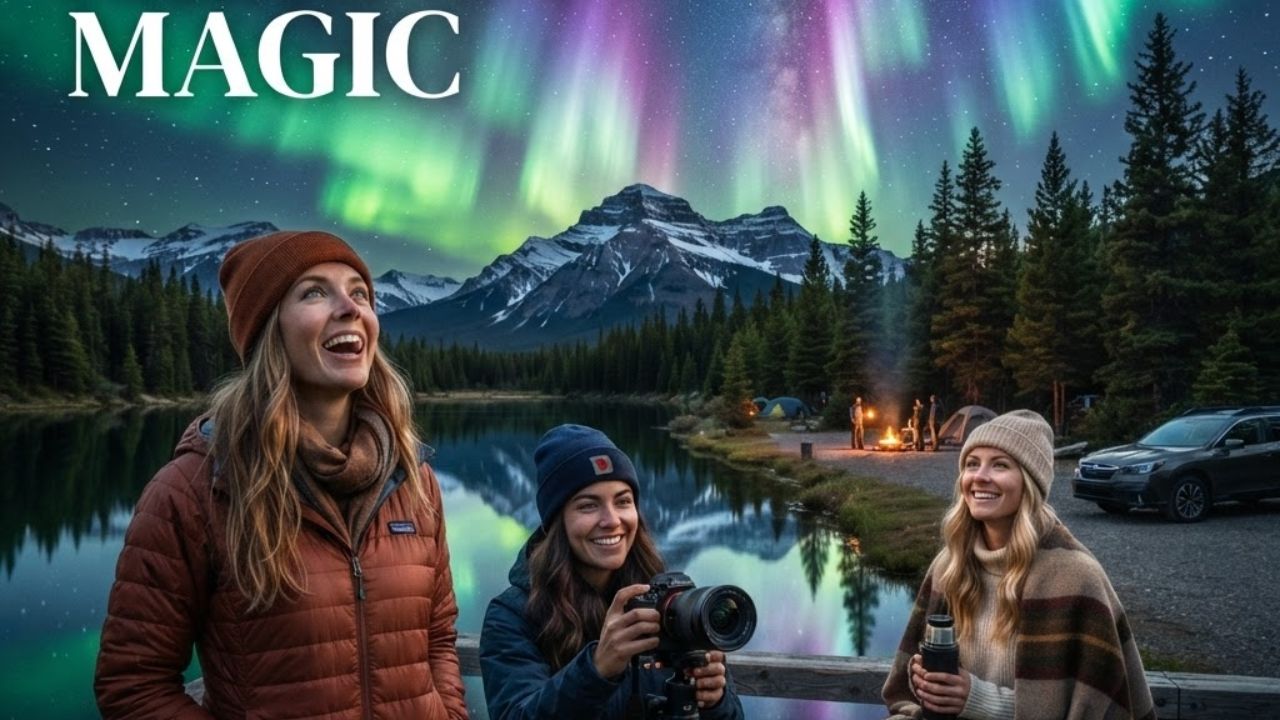
Image generated by AI
A maximum Kp index of 4.0 between July 31 and August 2, 2026, means Northern Lights visibility extends south to the Canada-U.S. border this weekend, offering travelers in eight northern states a rare celestial viewing opportunity. The latest Space Weather Prediction Center forecast confirms that while geomagnetic conditions will remain below official storm levels, clear dark skies could reveal the aurora borealis in states ranging from Washington to Michigan. To witness the colorful display, travelers must move away from urban centers, locate areas with clear northern horizons, and plan their excursions between late evening and early morning hours.
Understanding Space Weather: How the Northern Lights Visibility Extends
The aurora borealis is a natural light display generated when charged solar particles travel across space and collide with Earth’s magnetic field and atmospheric gases. The Earth’s magnetic field acts as a shield, funneling these high-energy solar particles toward the polar regions. When these particles interact with oxygen and nitrogen in the upper atmosphere, they emit vibrant shades of green, pink, red, and purple.
According to scientific reports from the NOAA Space Weather Prediction Center, solar activity influences the intensity and geographic reach of the auroral display. During periods of heightened solar emissions, the auroral oval expands, shifting the boundary of the visible lights further south. While major geomagnetic storms can push this boundary deep into the continental United States, even moderate increases in space weather activity can make the lights visible along the northern border.
Analyzing the NOAA Forecast: Solar Dynamics and Kp Index Targets
The latest three-day space weather outlook predicts that geomagnetic activity will peak between Friday, July 31, and Sunday, August 2, 2026. Although the agency is not predicting an official geomagnetic storm, space weather tracking data indicates a maximum Kp index of 4.0 during this forecast window. The Kp index is a scale from 0 to 9 used by scientists to measure geomagnetic activity, with higher numbers indicating stronger and more geographically widespread aurora displays.
A Kp index of 4.0 represents active geomagnetic conditions, which are generally sufficient to push the auroral oval south toward the Canadian border. Viewers situated in rural areas with clean air and low light pollution will have the best chances of spotting the faint green glow along the northern horizon. Favorable viewing locations require clear local weather, as cloud cover or haze can easily block the auroral display.
Geographic Breakdown: States Primed for Aurora Spotting
While Alaska remains the premier location for aurora sightings during this forecast period, several northern continental states are positioned to capture the display. The best viewing opportunities outside Alaska will occur in communities situated closest to the Canadian border.
The primary states with potential aurora visibility include:
- Alaska: Offers the strongest and most consistent viewing opportunities across the state.
- Montana: Favorable chances, particularly in northern rural areas and dark-sky parks.
- North Dakota: High probability of visibility along the Canadian border in rural counties.
- Minnesota: Northern regions and border areas are well-positioned for sightings.
- Washington: Limited but possible visibility in elevated, northern wilderness areas.
- Idaho: Potential viewing spots in northern counties with open horizons.
- Wisconsin: Small viewing opportunities restricted to the northernmost parts of the state.
- Michigan: Northern areas and the Upper Peninsula have limited viewing potential.
Local Tourism Impacts: How Dark Sky Sightings Support Regional Economies
The potential for local aurora sightings is prompting a surge in regional travel, as nature lovers and photographers seek out dark-sky locations. Rural communities located near the Canadian border stand to benefit from this localized travel interest, with visitors booking lodging, dining at local establishments, and hiring outdoor guides. This event highlights the growing value of natural dark-sky resources, which are increasingly preserved and promoted through initiatives like the National Park Service dark sky initiatives.
Rather than planning expensive international expeditions to places like Iceland or northern Scandinavia, travelers are discovering that they can experience stunning celestial events closer to home. This shift supports local hospitality businesses and highlights the economic value of preserving wilderness areas from light pollution.
Actionable Tips for Chasing the Lights: Dark Skies, Smartphones, and Timing
To maximize the chances of a successful sighting, travelers should adopt a structured preparation checklist before heading outdoors:
- Escape Urban Light Pollution: Drive to rural areas, state parks, or designated dark-sky reserves far from city lights.
- Monitor Local Weather: Check cloud cover forecasts hourly, as clear skies are absolutely required for viewing.
- Find a Clear Northern Horizon: Position yourself on an elevated ridge or open lake shore with unobstructed views looking north.
- Time Your Visit Carefully: The aurora is generally most visible between 10 p.m. and 2 a.m. local time, though conditions can shift quickly.
- Utilize Technology: Use smartphone camera night modes or long-exposure settings to capture faint colors that may not be fully visible to the naked eye.
- Dress for the Night: Ensure you carry warm clothing and flashlights with red filters to preserve your night vision.
Why This Matters: Experiential Value and Travel Planning Risks
For the traveler, this means that witnessing one of the world's greatest natural spectacles does not require a costly flight to high-latitude countries. Instead, a well-planned road trip to a northern border state can yield a successful viewing experience.
From a logistical standpoint, however, chasing the aurora involves inherent risks. Because space weather is highly dynamic and local weather forecasts can change rapidly, travelers must maintain flexible plans. A sudden shift in cloud cover or a decrease in solar wind speed can prevent visibility, meaning that travelers should view the trip as a general outdoor adventure rather than a guaranteed sighting.
Related Travel Updates and Regional Guides
- Related: Indonesia, Thailand, Laos, and Malaysia Join Forces to Launch High-Speed Rail Tourism Network in 2026
- Related: Iceland Highlands Summer Adventure Tourism: Safety Tips and Driving Regulations for 2026
- Related: United Airlines Flight UA5773 Safely Diverts to Colorado Springs Due to Aspen Mountain Weather
Disclaimer
This article is for informational and educational purposes only. It does not constitute legal, financial, or professional advice. While we strive to provide accurate and up-to-date information, travel policies, regulations, and conditions change rapidly. Always verify information with official sources before making travel decisions. Nomad Lawyer makes no representations about the accuracy, reliability, completeness, or suitability of the information provided. Readers should consult qualified professionals for advice specific to their circumstances. The views expressed in this article are those of the author and do not necessarily reflect the views of Nomad Lawyer.
Kunal K Choudhary
Co-Founder & Contributor
A passionate traveller and tech enthusiast. Kunal contributes to the vision and growth of Nomad Lawyer, bringing fresh perspectives and driving the community forward.
Learn more about our team →