
Delta Air Lines Retires Boeing 717 Operations From Minneapolis Hub, Consolidating Fleet to Two Remaining Bases
Breaking airline news and aviation industry updates for 2026.

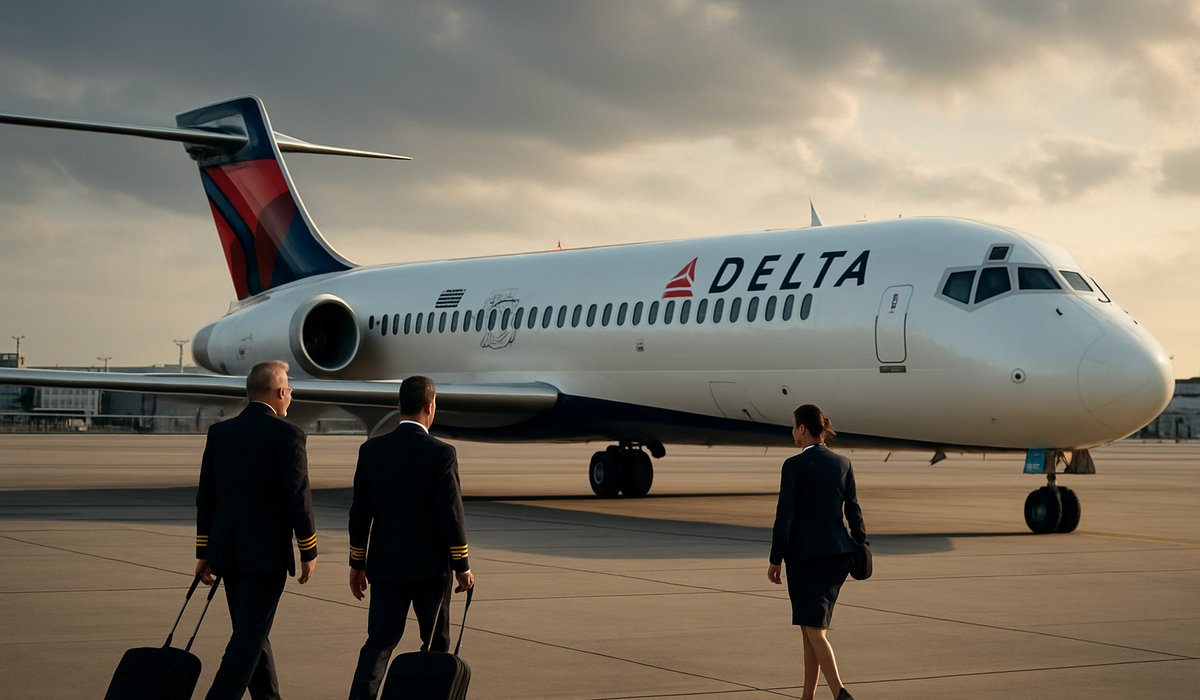
Image generated by AI
Delta Air Lines Retires Boeing 717 Operations From Minneapolis Hub, Consolidating Fleet to Two Remaining Bases
The carrier's strategic withdrawal signals broader aircraft modernization as legacy narrow-body jets face operational pressure across U.S. aviation
Fleet Consolidation Underway at Major Carrier
Delta Air Lines has eliminated Boeing 717 operations from its Minneapolis–St. Paul International Airport (MSP) hub, marking a significant shift in the carrier's regional fleet strategy. The decision, implemented in May, leaves the aircraft operating from only two remaining Delta hubs as the airline accelerates its transition toward newer, more efficient aircraft.
The Boeing 717, a legacy narrow-body jet originally derived from the McDonnell Douglas DC-9 family, has become increasingly marginalized within Delta's sprawling network. The aircraft's removal from the Minnesota gateway represents the latest chapter in a broader industry trend toward fleet modernization, driven by fuel efficiency demands and maintenance cost pressures affecting carriers worldwide.
Narrowing Operational Footprint
Delta's decision to concentrate 717 operations reflects the competitive pressures facing U.S. legacy carriers as they contend with rising jet fuel prices, aging aircraft maintenance costs, and shifting consumer preferences for newer cabin products. By consolidating the type to just two hubs, Delta can optimize crew scheduling, maintenance operations, and asset utilization—critical factors in an industry where operating margins remain razor-thin.
The 717, while reliable, represents older aviation technology. Modern narrow-body aircraft such as the Boeing 737 MAX and Airbus A220 offer superior fuel efficiency and lower operating costs per available seat mile—metrics that directly influence airline profitability and their ability to absorb inflationary pressures without raising ticket prices or baggage charges.
Broader Industry Context
This consolidation aligns with sector-wide trends. Major U.S. carriers have systematically retired or repositioned aging aircraft fleets over the past five years, accelerating timelines for fleet renewal as geopolitical tensions have driven jet fuel volatility. Airlines operating legacy aircraft types face mounting pressure to either modernize or risk competitive disadvantages in route profitability.
Delta's two remaining 717 hubs have not been officially identified by the carrier, though industry observers note the aircraft likely operate from bases with strong regional demand characteristics. The carrier has not released specific statements regarding future 717 retirement timelines.
FAQ: Boeing 717 Retirement and Airline Fleet Strategy
Q: Why are airlines retiring the Boeing 717? A: Older 717s consume more jet fuel relative to newer alternatives like the 737 MAX, increasing operating costs when fuel prices rise. Maintenance expenses also accumulate as aircraft age beyond 20-25 years.
Q: Will 717 retirement affect baggage fees or ticket prices? A: Fleet modernization typically reduces per-seat costs long-term, but carriers may not pass savings directly to consumers without competitive pressure.
Q: How many Boeing 717s does Delta still operate? A: Delta operates fewer than 100 717s system-wide, primarily concentrated in its remaining two hubs.
Q: What aircraft are replacing the 717? A: Delta favors the Boeing 737 MAX, Airbus A220, and newer variants for regional capacity replacement.
Q: When will the last 717 retire from U.S. aviation? A: No official timeline exists, but industry analysts expect most legacy 717s retired by 2030.
Related Travel Guides
-
Travel United International: US Air Traffic Sees Modest 2026 Growth
-
Stansted Delays Leave Traveler £357 Out of Pocket After Late-Night Disruption
-
Korean Air Activates Emergency Cost Controls as Fuel Prices Double to $4.50 Per Gallon
External Resources
Disclaimer
This article is for informational and educational purposes only. It does not constitute legal, financial, or professional advice. While we strive to provide accurate and up-to-date information, travel policies, regulations, and conditions change rapidly. Always verify information with official sources before making travel decisions. Nomad Lawyer makes no representations about the accuracy, reliability, completeness, or suitability of the information provided. Readers should consult qualified professionals for advice specific to their circumstances. The views expressed in this article are those of the author and do not necessarily reflect the views of Nomad Lawyer.
Preeti Gunjan
Contributor & Community Manager
A passionate traveller and community builder. Preeti helps grow the Nomad Lawyer community, fostering engagement and bringing the reader experience to life.
Learn more about our team →