
B-21 Raider Stealth Bomber Reveals Advanced Speed-Brake Technology Absent from B-2 Predecessor
Breaking airline news and aviation industry updates for 2026.

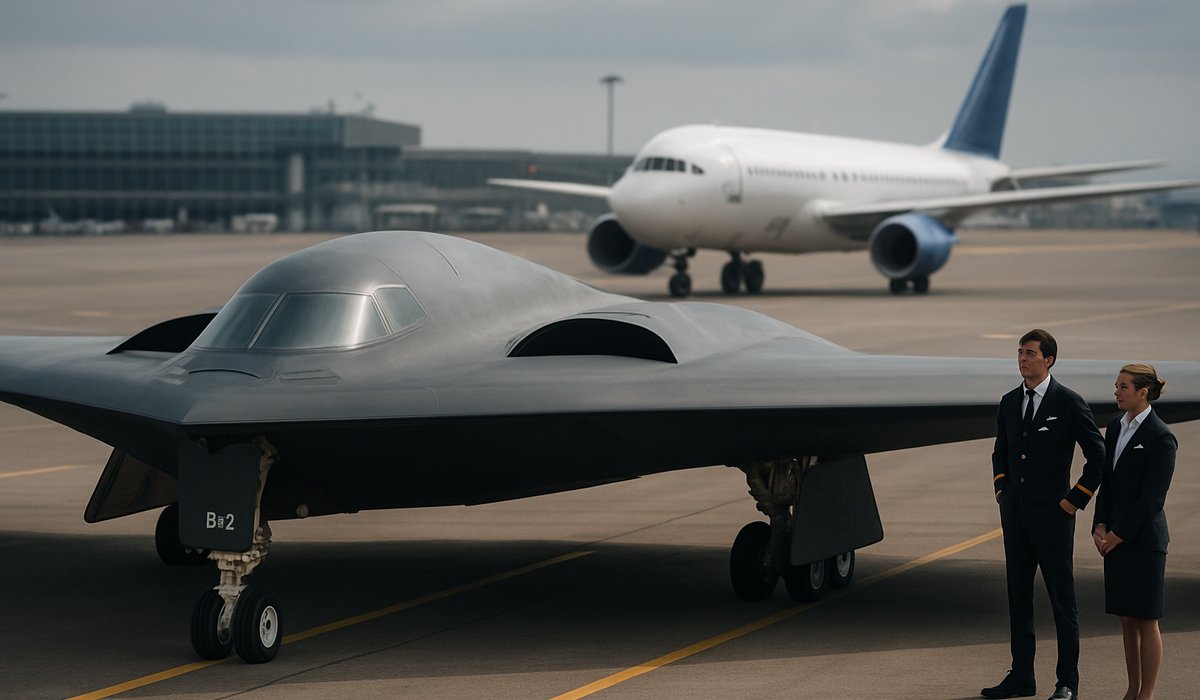
Image generated by AI
B-21 Raider Stealth Bomber Reveals Advanced Speed-Brake Technology Absent from B-2 Predecessor
New test imagery exposes aerodynamic innovations as Pentagon accelerates evaluation schedule for next-generation strategic aircraft
Breakthrough Design Features Captured During Ongoing Flight Tests
The U.S. Air Force's next-generation B-21 Raider stealth bomber has unveiled a sophisticated speed-brake control surface configuration that represents a significant departure from its B-2 Spirit predecessor, according to recently surfaced imagery from ongoing test operations. The aerodynamic innovation marks a critical advancement in the strategic bomber program as the Pentagon intensifies its evaluation timeline heading into 2025.
The newly documented control surfaces serve as speed brakes—critical flight management systems that allow pilots to reduce airspeed during descent and landing phases without sacrificing the aircraft's stealth characteristics. Unlike the B-2 Spirit, which relied on alternative deceleration methods, the B-21's integrated design suggests engineers have achieved a breakthrough in combining speed-management functionality with radar-evading geometry.
Testing Accelerates at California's Premier Flight-Test Facility
Development flights for the Raider have been concentrated at Edwards Air Force Base in southern California, where the Air Force Test Center's specialized 412th Test Wing oversees comprehensive evaluation protocols. While initial test sorties commenced in 2023, the pace of evaluation activities has markedly intensified throughout 2025, signaling confidence in the aircraft's developmental maturity.
The recently disclosed photograph, captured during routine testing operations, provides rare insight into the Raider's advanced control architecture. The exposed speed-brake configuration demonstrates how Northrop Grumman engineers have integrated aerodynamic control systems into the airframe while maintaining the low-observable characteristics essential to the bomber's operational viability.
Strategic Implications for Air Force Modernization
The B-21 program represents a cornerstone initiative in the U.S. military's long-range strike modernization strategy. These design refinements underscore the Pentagon's commitment to maintaining technological superiority in strategic aviation as global security dynamics shift. The enhanced speed-brake system promises improved handling characteristics and operational flexibility—attributes particularly valuable for penetrating advanced air-defense environments.
The discovery of these design innovations occurs as the Air Force continues its rigorous testing regimen, ultimately paving the way for operational deployment within the coming years.
FAQ: B-21 Raider Testing and Development
What is the B-21 Raider stealth bomber? The B-21 Raider is Northrop Grumman's next-generation strategic stealth bomber designed to replace aging B-2 Spirit aircraft in the U.S. Air Force's long-range strike arsenal.
Why are speed brakes important on stealth aircraft? Speed brakes enable pilots to safely reduce airspeed during critical flight phases without deploying conventional control surfaces that could compromise radar-evading capabilities.
Where is the B-21 being tested? Testing operations are being conducted at Edwards Air Force Base in California under the Air Force Test Center's 412th Test Wing.
How does the B-21's design differ from the B-2 Spirit? The B-21 incorporates advanced speed-brake technology and refined aerodynamic surfaces not present on earlier stealth bomber designs, representing significant technological evolution.
When will the B-21 enter operational service? While no official timeline has been announced, the accelerated testing pace throughout 2025 suggests operational deployment within the coming years.
Related Travel Guides
External Resources
Disclaimer
This article is for informational and educational purposes only. It does not constitute legal, financial, or professional advice. While we strive to provide accurate and up-to-date information, travel policies, regulations, and conditions change rapidly. Always verify information with official sources before making travel decisions. Nomad Lawyer makes no representations about the accuracy, reliability, completeness, or suitability of the information provided. Readers should consult qualified professionals for advice specific to their circumstances. The views expressed in this article are those of the author and do not necessarily reflect the views of Nomad Lawyer.
Kunal K Choudhary
Co-Founder & Contributor
A passionate traveller and tech enthusiast. Kunal contributes to the vision and growth of Nomad Lawyer, bringing fresh perspectives and driving the community forward.
Learn more about our team →