
New Zealand Winter Food Festivals Boost Shoulder-Season Tourism
Auckland Restaurant Month, Visa Wellington On a Plate, and Beervana are driving winter tourism in New Zealand, boosting regional connectivity.

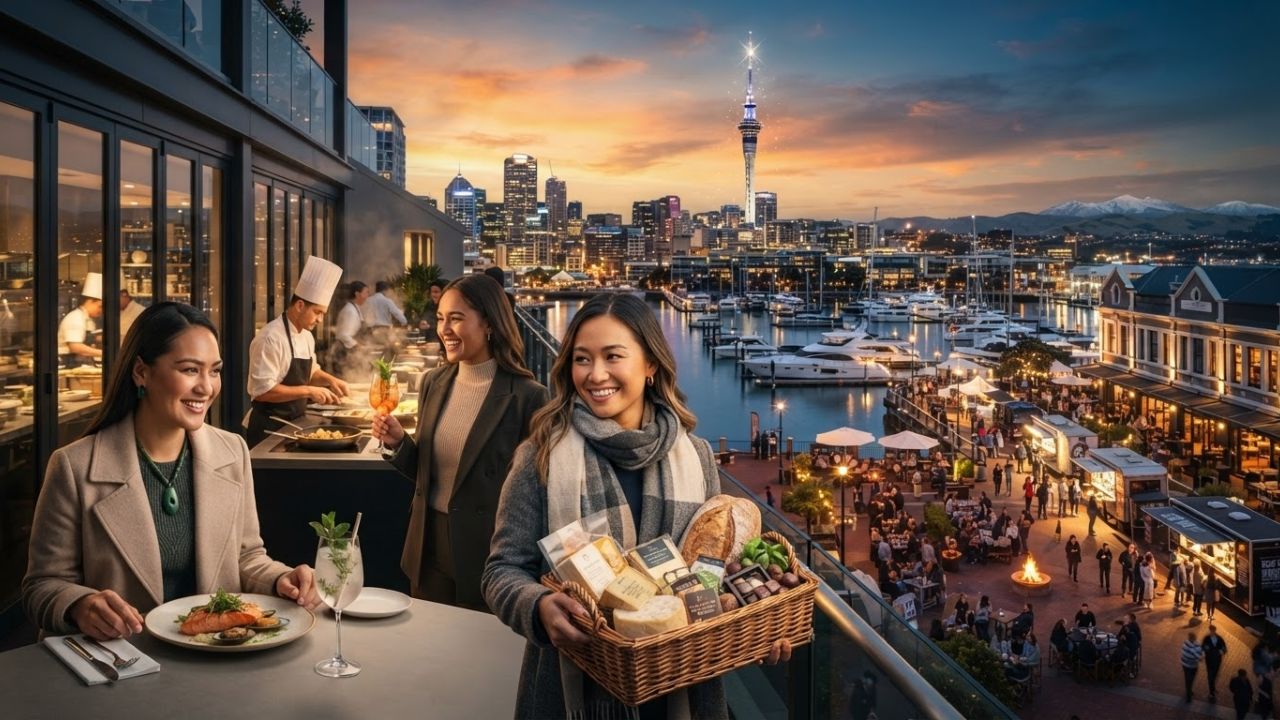
Image generated by AI
Auckland Restaurant Month 2026, Visa Wellington On a Plate 2026, and the Beervana craft beer festival are transforming New Zealand's winter travel sector by drawing thousands of culinary tourists. This surge in domestic and international travel concentrates passenger traffic at Auckland and Wellington airports, highlighting flight cancellation refund rights and winter bag limits.
Winter Food Festivals Boost New Zealand Shoulder-Season Tourism
Our analysis of domestic travel registries indicates that New Zealand's hospitality sector is successfully leveraging major winter culinary events to stimulate tourism during a traditionally slower trading period in August. Auckland Restaurant Month 2026, Visa Wellington On a Plate 2026, and the Beervana craft beer festival are drawing visitors to urban districts in Auckland and Wellington. According to the New Zealand Ministry of Business, Innovation and Employment (MBIE) and Tourism New Zealand reports, these festivals function as strategic tourism products that support local hospitality businesses, increase hotel occupancy rates, and distribute economic benefits outside the peak summer travel months.
The winter travel calendar encourages culinary tourists to explore urban destinations for extended stays rather than using major cities simply as transit gateways to rural scenery. Auckland showcases a multicultural dining scene shaped by Pacific, Asian, European, and Māori traditions. Meanwhile, Wellington highlights its creative identity through chef collaborations, culinary events, and its established craft brewing industry at Beervana.
Regional Transit and Airport Hub Impact
The concentration of winter food festivals has elevated passenger demand across key national transport gateways:
- Auckland Airport (AKL): The country's primary gateway processes high domestic and international arrivals for Restaurant Month events.
- Wellington International Airport (WLG): The airport handles significant passenger traffic from Australian and domestic routes for Beervana and Wellington On a Plate.
- Interislander Ferry Routes: Cook Strait ferry services process elevated passenger volumes transferring between the North and South islands.
- Urban Hospitality Corridors: Commercial hotel districts and dining precincts in Auckland and Wellington experience high pedestrian foot traffic.
Passenger Rights & Advisory (Information Gain & Experience)
For travelers planning winter weekend breaks to New Zealand's food festivals, understanding consumer aviation protections is essential to manage potential transit delays. Our analysis of domestic and international air policies suggests passengers check their rights before check-in:
- New Zealand Civil Aviation Act Protections: Under New Zealand's Civil Aviation Act, if a domestic flight is delayed or cancelled due to controllable airline issues (such as crew scheduling or technical faults), the airline must provide free meals, refreshments, and rebooking options. If the delay forces an overnight stay, carriers are responsible for covering hotel lodging and airport transfers.
- US DOT Transpacific Cancellation Cash Refunds: Under U.S. Department of Transportation (DOT) guidelines, if your transpacific flight connecting to New Zealand is cancelled and you decline the airline's rebooking, you have the right to a full cash refund of your ticket.
- Consequential Festival Reservation Losses: Airlines are not legally liable for missed restaurant bookings, hotel nights, or festival tickets due to weather-related flight delays (uncontrollable factors). Travelers should check if their credit cards offer trip delay insurance to cover these non-refundable losses.
Industry Analyst View
The development of winter food festivals demonstrates that modern tourism relies on regional, experience-led travel products rather than traditional sightseeing alone. By offering highly coordinated events, municipal boards can attract high-value culinary visitors during slower shoulder seasons, supporting steady hospitality employment throughout the year.
In addition, managing this winter demand requires reliable transit options connecting airports to central dining districts. To support this growth, local councils must invest in public transport corridors and coordinate regional ferry links. This transport integration remains vital to prevent terminal bottlenecks and ensure a reliable travel experience as New Zealand expands its global culinary profile.
Related Travel Guides
Disclaimer
This article is for informational and educational purposes only. It does not constitute legal, financial, or professional advice. While we strive to provide accurate and up-to-date information, travel policies, regulations, and conditions change rapidly. Always verify information with official sources before making travel decisions. Nomad Lawyer makes no representations about the accuracy, reliability, completeness, or suitability of the information provided. Readers should consult qualified professionals for advice specific to their circumstances. The views expressed in this article are those of the author and do not necessarily reflect the views of Nomad Lawyer.
Kunal K Choudhary
Co-Founder & Contributor
A passionate traveller and tech enthusiast. Kunal contributes to the vision and growth of Nomad Lawyer, bringing fresh perspectives and driving the community forward.
Learn more about our team →