
New Zealand Fireball Meteor Sparks Astro-Tourism Growth
A rare fireball meteor illuminated New Zealand's North Island, driving a seasonal astro-tourism boom across Auckland and Wairarapa dark-sky reserves.

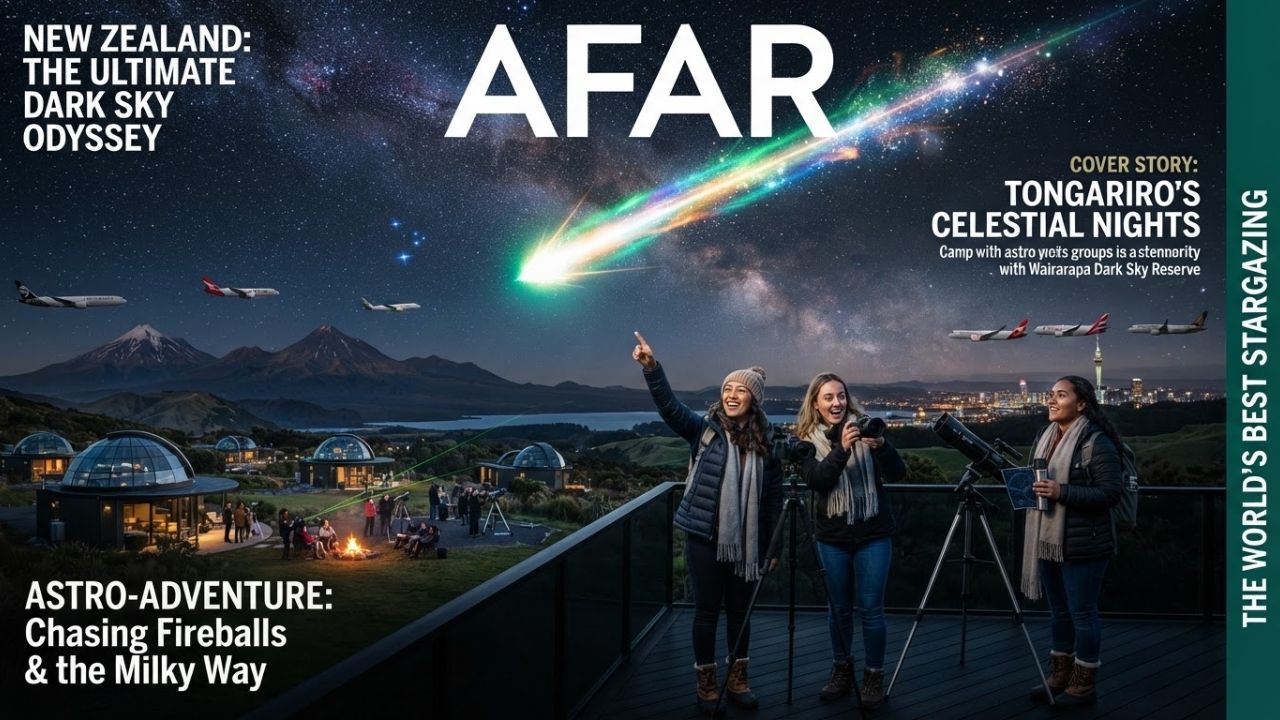
Image generated by AI
A rare fireball meteor has illuminated New Zealand's North Island, triggering a significant astro-tourism boom across dark-sky reserves from Auckland to Wairarapa. As traveler demand for night-sky viewing rises, regional air corridors and transit networks are experiencing increased passenger traffic.
New Zealand North Island Fireball Meteor and Astro-Tourism Growth
Our analysis of regional stargazing data indicates that a rare celestial event has significantly boosted New Zealand's night-sky tourism sector. A brilliant fireball meteor illuminated the night sky above the North Island, with witnesses stretching from Auckland to the Wairarapa reporting a bright trail followed by loud sonic booms. Scientists from Fireballs Aotearoa are currently analyzing trajectory logs and specialized sky-monitoring camera footage to determine the meteor's flight path and identify potential meteorite landing zones.
Beyond the scientific value, the event has generated a surge in public interest for stargazing experiences across New Zealand's protected dark-sky zones. The country's low levels of light pollution and clear night skies make it a premier destination for astronomical observation. Destinations like the Aoraki Mackenzie International Dark Sky Reserve, Great Barrier Island, and the Wairarapa Dark Sky Reserve are recording increased bookings for guided stargazing tours and astrophotography sessions.
Regional Flight and Rail Impact
The rise in night-sky tourism is concentrating passenger traffic across primary domestic transport corridors:
- Auckland Gateways: Auckland Airport (AKL) serves as the primary international gateway, routing travelers to dark-sky observation platforms.
- Wellington Connections: Wellington Airport (WLG) records higher demand for regional transfers to the Wairarapa stargazing lodges.
- Secondary Air Terminals: Hawke’s Bay Airport (NPE) and Palmerston North Airport (PMR) provide regional flight options for travelers heading to dark-sky reserves.
- Scenic Rail Services: Northern Explorer and Capital Connection rail services are managing increased seasonal passenger volumes.
Passenger Rights & Advisory (Information Gain & Experience)
For travelers booking domestic flights within New Zealand to visit dark-sky reserves, understanding regional aviation protections is essential during schedule disruptions. Our analysis of the policy suggests passengers check their rights under national frameworks:
- New Zealand Civil Aviation Act 1990: Under Section 91z of the Act, if a domestic flight is delayed or cancelled due to controllable operational issues (such as crew scheduling or maintenance), the operating carrier is liable for damages up to NZ$ 10,000 to cover meals, transport, and lodging.
- Uncontrollable Delay Rules: If a delay is caused by uncontrollable factors like severe weather or volcanic activity, airlines are not legally liable for cash compensation, but Civil Aviation Authority of New Zealand rules require them to assist with rebooking you on the next available flight.
- Excursion Cancellation Protection: Stargazing excursions are highly weather-dependent. If your tour is cancelled due to overcast skies, the airline is not liable for your flight ticket cost, meaning travelers should verify flexible refund options or purchase domestic travel insurance.
Industry Analyst View
The fireball meteor event highlights the commercial potential of astro-tourism as a niche segment for regional New Zealand. By combining dark-sky reserves with cultural storytelling rooted in Māori traditions, local tour operators can attract high-value visitors during the off-peak autumn and winter months.
In addition, promoting stargazing experiences reduces environmental pressure on popular daytime natural landmarks, spreading tourist footprints across a 24-hour cycle. To support this growth, regional councils must continue enforcing strict outdoor lighting ordinances to protect local dark-sky status. This strategic regulation will remain vital as international travelers increasingly seek authentic nature-based experiences away from urban light pollution.
Related Travel Guides
Disclaimer
This article is for informational and educational purposes only. It does not constitute legal, financial, or professional advice. While we strive to provide accurate and up-to-date information, travel policies, regulations, and conditions change rapidly. Always verify information with official sources before making travel decisions. Nomad Lawyer makes no representations about the accuracy, reliability, completeness, or suitability of the information provided. Readers should consult qualified professionals for advice specific to their circumstances. The views expressed in this article are those of the author and do not necessarily reflect the views of Nomad Lawyer.
Kunal K Choudhary
Co-Founder & Contributor
A passionate traveller and tech enthusiast. Kunal contributes to the vision and growth of Nomad Lawyer, bringing fresh perspectives and driving the community forward.
Learn more about our team →