
New Zealand Tourism Investment 2026: Millions Allocated to Upgrade Iconic Great Rides Cycle Trails
New Zealand has unveiled a multi-million dollar investment package for its Ngā Haerenga Great Rides, targeting infrastructure upgrades for iconic trails like the Mountains to Sea and St James.

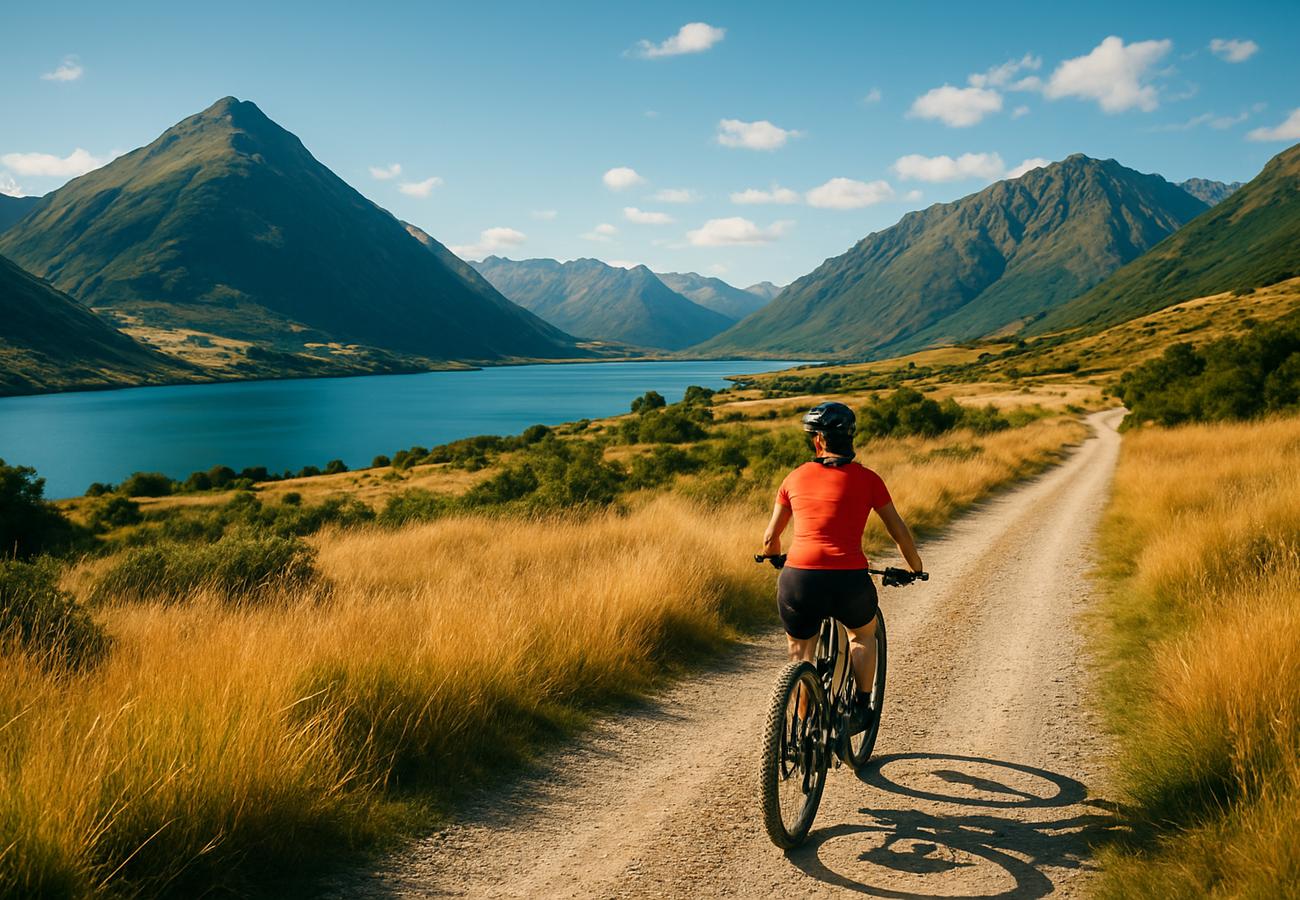
Image generated by AI
Quick Summary
- Strategic Investment: The New Zealand government has announced a significant funding initiative to enhance the Ngā Haerenga Great Rides, a network of 23 world-class cycle trails.
- Economic Impact: The trails currently attract over 2.5 million trips annually, generating an estimated $1.28 billion in regional spending each year.
- Key Projects: Major allocations include $2.19 million for the Mountains to Sea trail and $2.01 million for the St James Cycle Trail infrastructure.
- Infrastructure Gaps: $1 million is earmarked for the Roxburgh Gorge Trail to close a critical 12 km gap, significantly improving accessibility.
- Co-Funding Model: Projects are supported by the New Zealand Cycle Trail Fund and the Department of Conservation (DOC).
- Conservation Strategy: The investment aligns with a "Bluegreen future" framework, balancing tourism growth with environmental stewardship.
- Regional Growth: Funding aims to create jobs and support small hospitality and accommodation businesses in remote areas.
- Source: Official ministerial statements from Louise Upston (Regional Development) and Tama Potaka (Conservation) as of May 7, 2026.
New Zealand is reinforcing its status as a premier global destination for cycle tourism with a major capital injection into its iconic Great Rides network. On May 7, 2026, the government detailed a series of infrastructure and remedial projects designed to future-proof the 23 trails that form the backbone of the country's adventure tourism sector. With cycle tourism now contributing over $1.28 billion to regional economies, the focus has shifted toward enhancing the resilience and connectivity of these trails. From the rugged cliffs of the Roxburgh Gorge to the alpine vistas of the St James Trail, the new funding will address historical gaps and modernize rider facilities. This investment not only targets economic revitalization but also integrates conservation objectives, ensuring that the surge in visitor numbers supports New Zealand’s unique natural environment. As more travelers seek immersive, low-impact outdoor experiences, the Great Rides are set to play an even more vital role in distributing tourism benefits to New Zealand’s most remote and picturesque communities.
New Zealand Great Rides Investment 2026: Key Projects and Funding
The following table outlines the primary infrastructure allocations for the Ngā Haerenga network as of May 7, 2026.
| Cycle Trail Project | Investment Amount | Nature of Work | Regional Impact |
|---|---|---|---|
| Mountains to Sea – Ngā Ara Tūhono | $2,197,000 | Major Enhancements | North Island Connectivity |
| St James Cycle Trail | $2,012,000 | Infrastructure Upgrades | Alpine Resilience |
| Queen Charlotte Track | $1,457,500 | Significant Realignment | Marlborough Tourism |
| Roxburgh Gorge Trail | $1,000,000 | Closing 12 km Gap | Central Otago Growth |
| Otago Central Rail Trail | $302,000 | Heritage Restoration | Historical Preservation |
| Remutaka Cycle Trail | $165,000 | Wild Coast Resurfacing | Wellington Regional Access |
| Total Major Projects | ~$7,133,500 | Network Expansion | High Tourism Value |
Economic Powerhouse: The $1.28 Billion Impact of New Zealand’s Cycle Trails
The Great Rides have evolved into a critical component of New Zealand’s regional economic infrastructure:
- Job Creation: The network supports thousands of jobs in the hospitality, bike rental, and transport sectors across both islands.
- Regional Spending: The $1.28 billion generated annually flows directly into local communities, providing a sustainable alternative to traditional industries in remote areas.
- Volume Growth: With over 2.5 million trips recorded annually, the trails are now a primary motivator for both domestic weekenders and international long-haul travelers.
Infrastructure Focus: Closing Gaps and Enhancing Rider Experience
The 2026 investment targets specific "pain points" in the existing network:
- The Roxburgh Gap: The $1 million allocation to close the 12 km gap in the Roxburgh Gorge Trail is considered a "game-changer" for Central Otago, allowing for a continuous off-road experience.
- Realignment Strategies: The funding for the Queen Charlotte Track focuses on realigning sections to improve safety and the overall aesthetic experience for mountain bikers and hikers.
- Future-Proofing: Upgrades to the Remutaka and St James trails focus on resurfacing and drainage to ensure the trails remain usable year-round despite changing weather patterns.
Conservation Outcomes: Balancing Tourism Growth with a 'Bluegreen Future'
Conservation Minister Tama Potaka has emphasized the environmental benefits of the initiative:
- Managed Access: The trails provide a safe and controlled way for visitors to experience the "conservation estate" without causing damage to sensitive ecosystems.
- Bluegreen Framework: This model seeks to align economic development with long-term ecological preservation, using tourism revenue to fund further conservation efforts.
- Immersive Experience: By encouraging slow, non-motorized travel, the Great Rides foster a deeper appreciation for New Zealand’s unique flora and fauna.
Regional Dispersal: Driving Visitors to Remote and Underserved Communities
One of the primary strategic goals is the dispersal of tourists beyond major hubs:
- Beyond Queenstown: While the Otago region remains popular, investments in the Mountains to Sea and St James trails encourage visitors to explore deeper into the North and South Island interiors.
- Small Business Support: The development of hospitality and accommodation services near these trails is revitalizing small towns that previously struggled to attract tourism dollars.
- Sustainable Cadence: Cycle tourism encourages longer stays in individual regions, increasing the "per-visitor" economic contribution compared to high-speed coach tours.
Major Project Spotlight: Mountains to Sea and St James Trail Upgrades
The largest allocations are targeted at high-potential adventure routes:
- Ngā Ara Tūhono: The $2.19 million for the Mountains to Sea trail will enhance its status as a premium multi-day adventure, spanning diverse landscapes from the volcanic plateau to the coast.
- St James Alpine Resilience: The $2.01 million investment in the St James Cycle Trail is focused on hardening infrastructure to withstand the rugged alpine environment, ensuring long-term viability for this world-class route.
Restoration and Maintenance: Preserving the Heritage of the Otago Central Rail Trail
The Otago Central Rail Trail, New Zealand’s original "Great Ride," receives dedicated support:
- Historical Integrity: The $302,000 for restoration work focuses on preserving the bridges, tunnels, and stations that define this historic rail-trail experience.
- Pioneer Status: As the trail that pioneered the rail-trail model in NZ, its continued maintenance is seen as vital for the heritage of Central Otago tourism.
Conclusion: Strengthening New Zealand’s Position as a World-Class Cycle Destination
The May 7, 2026, investment announcement underscores the New Zealand government’s commitment to a sustainable and high-value tourism model. By injecting millions into the Ngā Haerenga Great Rides network, New Zealand is ensuring its regional economies remain resilient while protecting the natural assets that attract travelers from around the globe. For the millions of cyclists who traverse these trails each year, the result will be a more connected, better-maintained, and deeply immersive journey through the heart of New Zealand’s most iconic landscapes.
FAQ: New Zealand Great Rides Investment 2026
What are the Ngā Haerenga Great Rides? They are a network of 23 world-class cycle trails across New Zealand, ranging from easy rail-trails to challenging alpine mountain bike routes.
How much does the cycle trail network contribute to the NZ economy? The network generates an estimated $1.28 billion in regional spending annually and supports over 2.5 million trips per year.
Which trail received the largest individual investment in 2026? The Mountains to Sea – Ngā Ara Tūhono Cycle Trail received the largest allocation at $2,197,000 for enhancements.
Related New Zealand Tourism Reports
Disclaimer
This article is for informational and educational purposes only. It does not constitute legal, financial, or professional advice. While we strive to provide accurate and up-to-date information, travel policies, regulations, and conditions change rapidly. Always verify information with official sources before making travel decisions. Nomad Lawyer makes no representations about the accuracy, reliability, completeness, or suitability of the information provided. Readers should consult qualified professionals for advice specific to their circumstances. The views expressed in this article are those of the author and do not necessarily reflect the views of Nomad Lawyer.
Kunal K Choudhary
Co-Founder & Contributor
A passionate traveller and tech enthusiast. Kunal contributes to the vision and growth of Nomad Lawyer, bringing fresh perspectives and driving the community forward.
Learn more about our team →