New Zealand Extends KiwiRail Land Lease to 2170: What It Means for Travel and Tourism

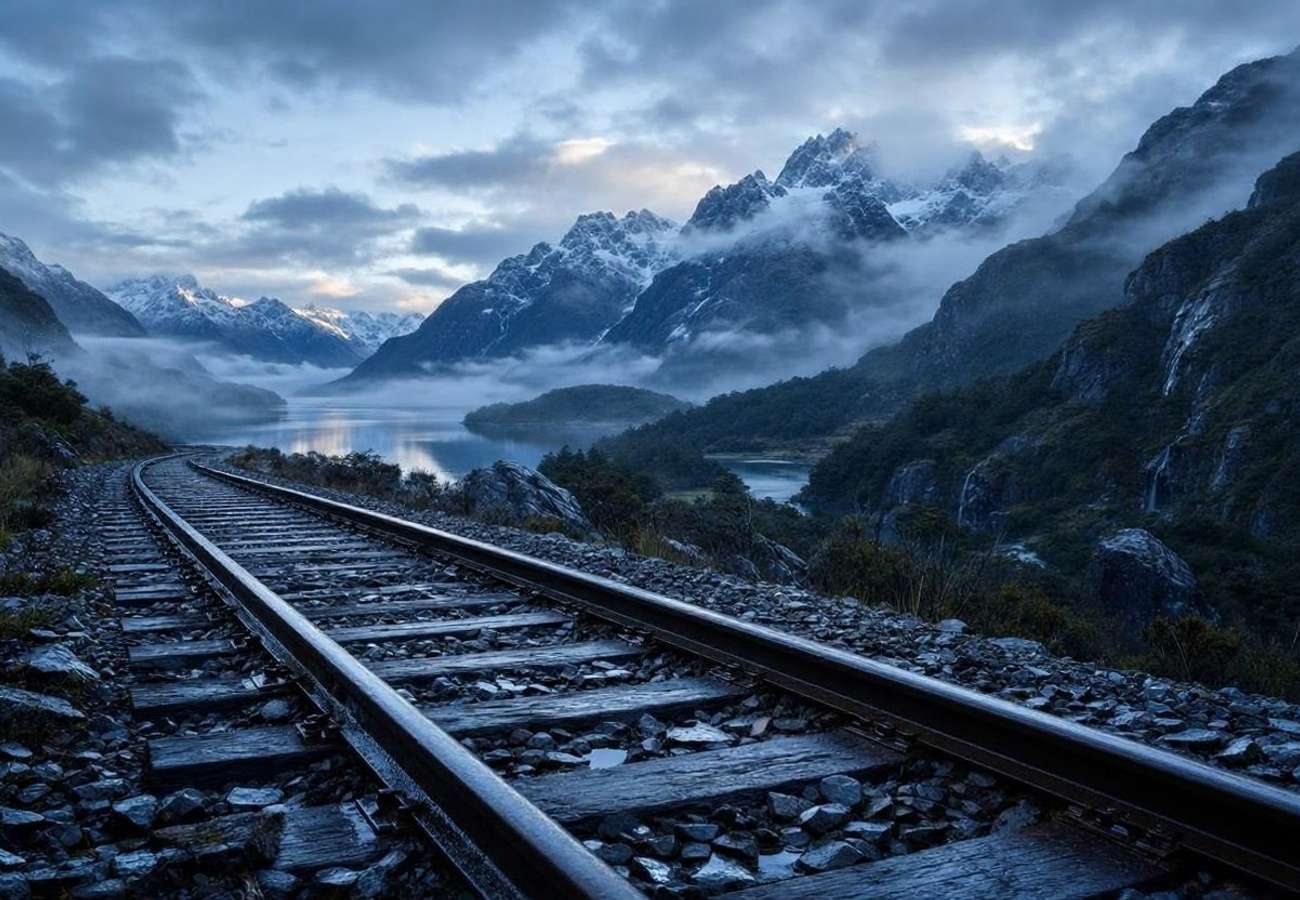
Image generated by AI
Imagine a traveler booking a scenic rail journey through the Southern Alps, only to realize that the very ground the tracks sit on was once subject to a lease expiration date. While most passengers never think about land tenure, the stability of the tracks determines whether a route remains operational or falls into disrepair. On 6 November 2026, the New Zealand government removed a century of uncertainty by extending the land lease for the national rail operator, ensuring that the iron roads remain secure well into the next century.
The 100-Year Lease Extension: Timeline and Facts
The New Zealand government has formalized a historic agreement that pushes the expiry date of KiwiRail’s railway land lease from 2070 to 2170. This 100-year extension is not a transfer of ownership—the New Zealand Railways Corporation retains ownership of the land—but it grants KiwiRail exclusive use of the corridors for another century.
This move is designed to provide "institutional foundation" for long-term planning. In the world of heavy infrastructure, assets are built to last decades. By securing the land until 2170, the government has eliminated the risk that future investment would be hampered by expiring land rights. This is a strategic move to attract private partners and ensure that the national network can be modernized without the looming threat of lease termination.
Land Scale and Investment Framework
The scope of this agreement is massive, covering the vital arteries of New Zealand's transport network. The "Core Lease" arrangement governs the land necessary for everything from main-line tracks to regional sidings and freight terminals.
| Detail | Specification |
|---|---|
| Total Land Area Covered | More than 18,200 hectares |
| Previous Lease Expiry | 2070 |
| New Lease Expiry | 2170 |
| Land Owner | New Zealand Railways Corporation |
| Exclusive Lessee | KiwiRail |
| Government Investment (Since 2018) | Over NZ$2 billion |
| Investment Focus | Locomotives, wagons, and mechanical facility upgrades |
It is important to note that the NZ$2 billion mentioned is cumulative investment since 2018 and does not represent a new cash injection tied specifically to the November 2026 lease extension.
Your Rights as a Passenger and Traveler
While this is an infrastructure deal rather than a service change, it directly impacts the reliability of the travel experience. For those utilizing Great Journeys New Zealand or regional passenger services, this agreement acts as a safeguard against systemic network collapse.
From a consumer rights perspective, infrastructure stability reduces the likelihood of "force majeure" cancellations caused by land disputes or neglected maintenance. Under New Zealand's consumer laws and the Commerce Commission, passengers are entitled to services that are fit for purpose. A secured land lease means KiwiRail can more confidently invest in the "above-rail" assets—the trains and stations—that directly affect your journey.
If you experience disruptions on New Zealand rail services, your primary recourse is through the carrier's conditions of carriage. However, the long-term stability provided by this deal means that the government is signaling a commitment to maintaining these routes, making it more likely that passenger rights to reliable transport will be upheld in the coming decades.
Rebooking Strategy and Future Travel Options
For travelers planning trips to New Zealand, this deal suggests that rail will remain a viable, long-term alternative to domestic flights and car rentals. While the agreement doesn't announce new routes today, it opens the door for "intermodal freight hubs" and potentially expanded passenger connections.
Practical Advice for Rail Travelers:
- Monitor Route Updates: Use Flightradar24 for air alternatives, but keep an eye on KiwiRail’s official notices for new scenic rail extensions.
- Integrated Logistics: Expect a rise in "rail-enabled developments." This may eventually lead to more seamless transfers between rail and local tourism shuttles.
- Refund vs. Rebooking: Because the network is now more secure, you are less likely to see systemic shutdowns. If a regional service is cancelled, always request a rebooking on the next available scenic service before opting for a refund, as these routes are high-demand.
FAQ: New Zealand Rail Lease 2026
Will this lead to new passenger train routes? Not immediately. The agreement secures the land but does not allocate specific funding for new passenger services. However, it creates the legal stability necessary for such projects to be approved in the future.
Does this affect current ticket prices? The lease extension itself is an administrative land deal and should not directly trigger a price hike for passengers. It is intended to make the business more self-sustaining through property development.
Is the government spending more money on trains now? The NZ$2 billion figure is for investment already made since 2018. The lease extension is a legal framework change, not a new financial grant for immediate construction.
What happens to the land in 2170? The lease will expire then, but the 100-year window provides enough certainty for current infrastructure to reach the end of its natural life cycle and be replaced multiple times over.
The tracks are set for the next century; the journey is just beginning.
Related Travel Guides
This article is for informational purposes. Flight routes, passenger regulations, visa rules, and transit advisories are subject to change by airlines and aviation authorities. Readers are advised to verify schedules and travel documentation with relevant carriers and border agencies before departure.
Related Stories
New Zealand Rail Safety Alert 2026: Stop Signal Breaches Surge as TAIC Issues Warning
Italy Suspends Florence-Faenza Rail Services After Landslide Alert Disrupts Tuscany-Emilia Romagna Travel 2026